Of all the Central American countries, Costa Rica is generally regarded as having the most stable and most democratic government. Its constitution of 1949 provides for a unicameral legislature, a fair judicial system, and an independent electoral body. Moreover, the constitution abolished the country’s army, gave women the right to vote, and provided other social, economic, and educational guarantees for all of its citizens.
Throughout the 1970s and ’80s Costa Rica managed to stay relatively peaceful compared with its war-torn neighbours. It has one of the highest literacy rates in the Western Hemisphere and a solid educational system from the primary grades through to university level. Costa Rica is also known for its strong commitment to the environment and for protecting its numerous national parks. These factors, along with an established ecotourism industry, have attracted foreign investment, which shifted the country’s once agriculture-based economy to one dominated by services and technology. The country is about the size of Scotland, with a similar population of just over 5 million. It’s bordered by Nicaragua to the north and Panama to the south.
We will be spending just over 3 weeks travelling throughout the country.
San José
Our first stop after arriving was a 3-day stop in San José, the capital and largest city of Costa Rica. It is situated in the broad, fertile Valle Central 3,800 feet above sea level. San José developed slowly as a tobacco centre in the Spanish colonial era. In the 1840s the town became one of the important centres of coffee production, which remained the chief source of Costa Rica’s income throughout the 19th century.
Unlike many Latin American capital cities, San José wasn’t an important centre for the Spanish in the 16th and 17th centuries, and therefore there is little Spanish colonial architecture in the city today. It is not a particularly attractive city, but does have a number of very interesting museums and cultural buildings dating from the 18th and 19th centuries, which we visited.
National Theatre – The 1,140-seat National Theatre of Costa Rica is located in the centre of San José. Construction began in 1891, and it opened to the public on 21 October 1897. The National Theatre stood as a cultural asset for the country during a time when coffee exports were a source of its success. It continues to present high quality artistic performances to this day.
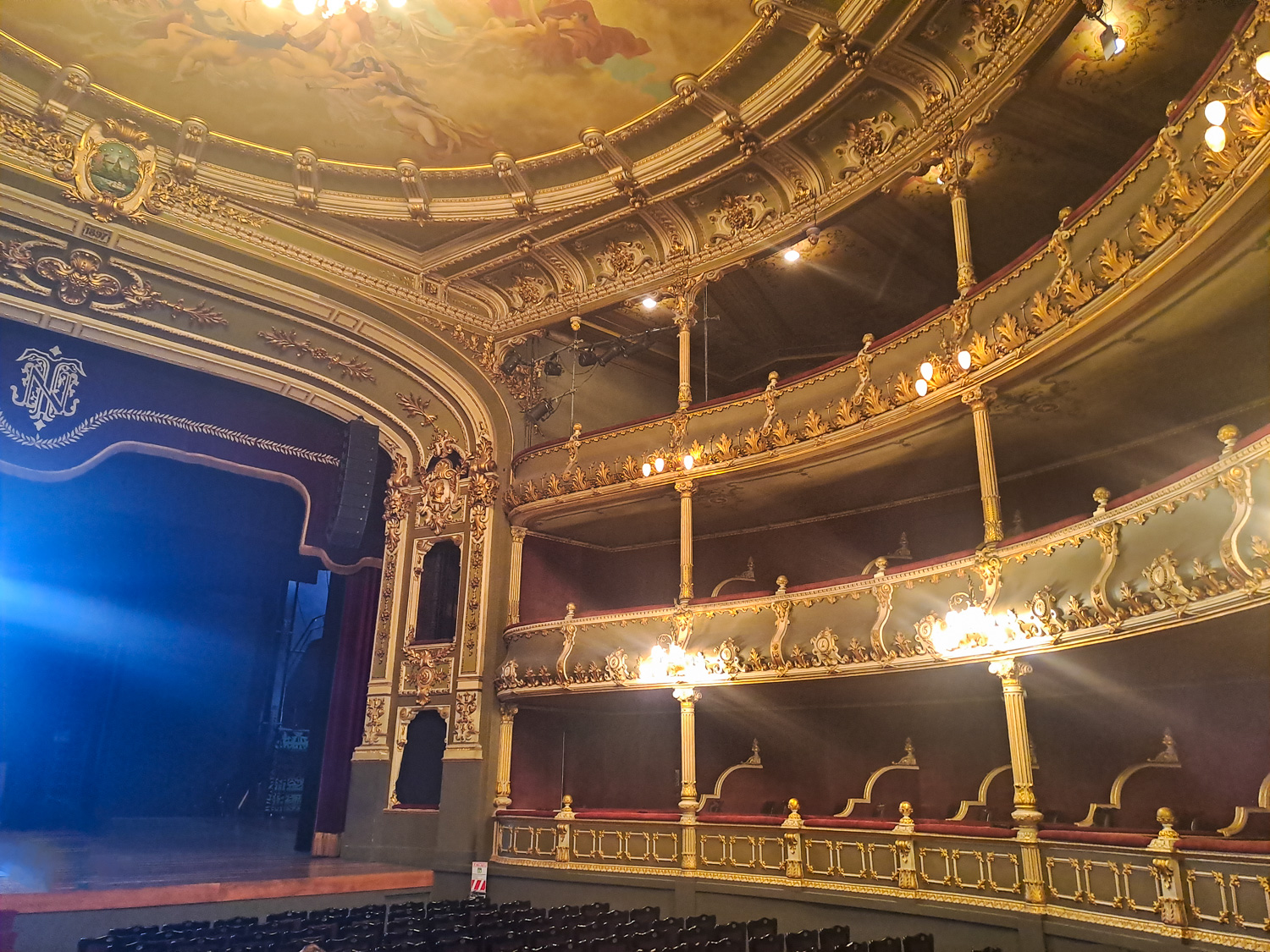 The building is considered the finest historic building in the capital, and it is known for its exquisite interior, which includes its lavish furnishings.
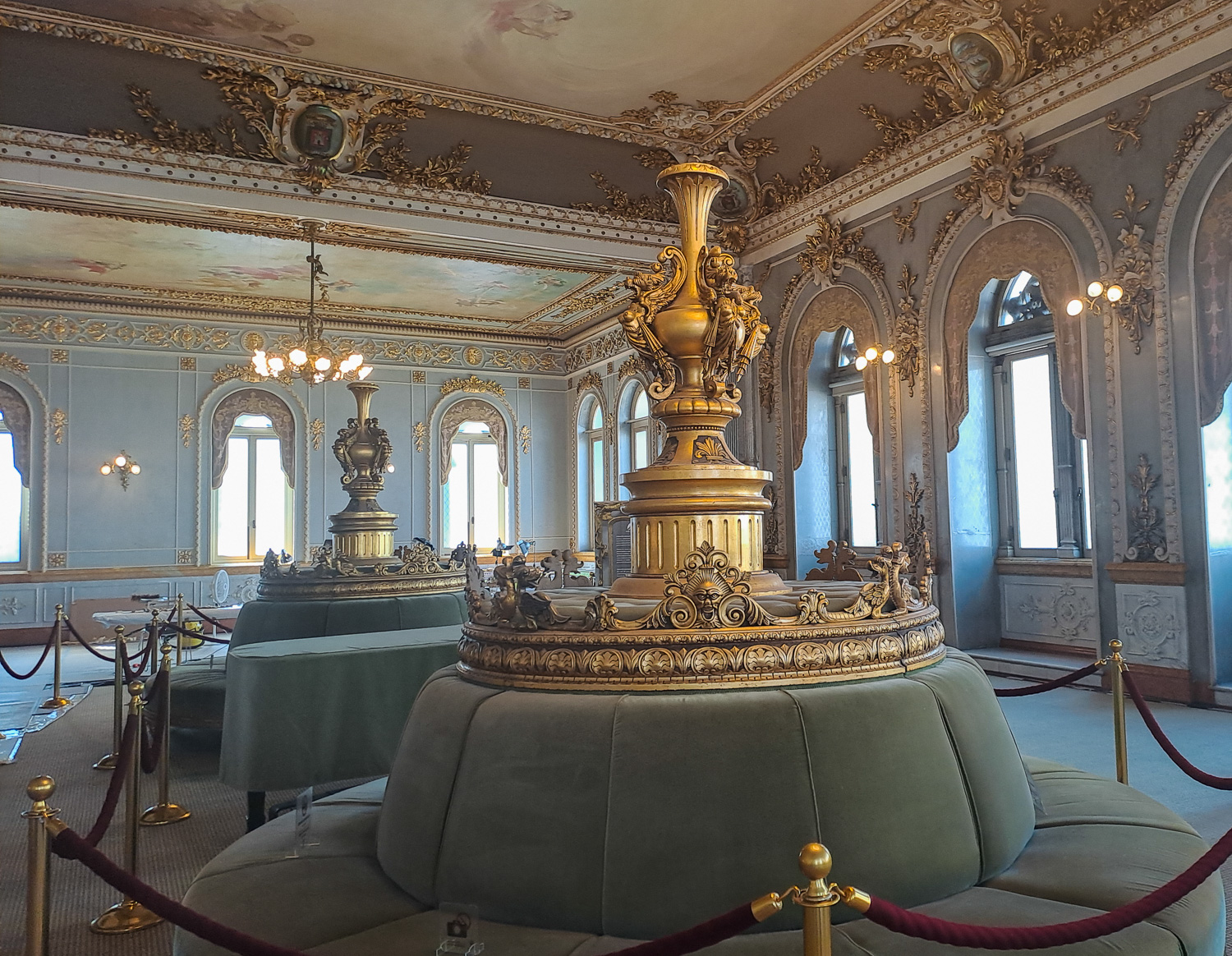 The Salon – the perfect place for a drink during the interval!
National Museum of Costa Rica – The entrance to the museum is a beautiful glassed-in atrium housing an exotic butterfly garden. The museum provides a quick survey of Costa Rican history. Exhibits of pre-Columbian pieces from ongoing digs, as well as artefacts from the colony and the early republic, are all housed inside the old Bellavista Fortress, which historically served as the army headquarters and saw fierce fighting in the 1948 civil war.
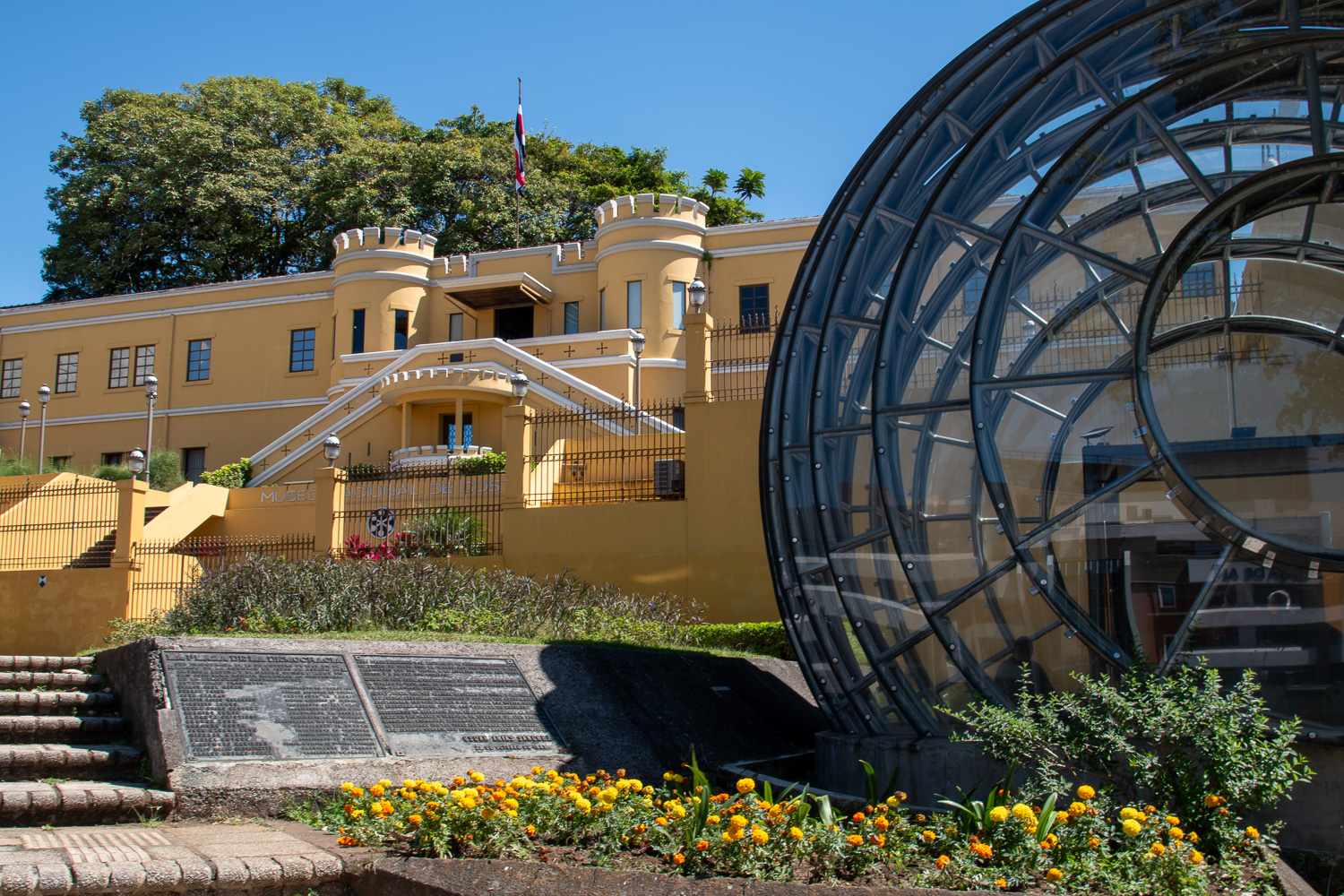 The old Bellavista Fortress is now home for the museum.
Pre-Columbian Gold Museum – The museum is home to the largest collection of pre-Colombian gold in Latin America with over 1,600 individual gold pieces and 2,000 ceramic, stone and other artefacts. It is located in a subterranean building underneath the ‘Plaza de la Cultura’ in the centre of San José. Housed in a series of huge vaults, it’s one of the most secure museums in the world!
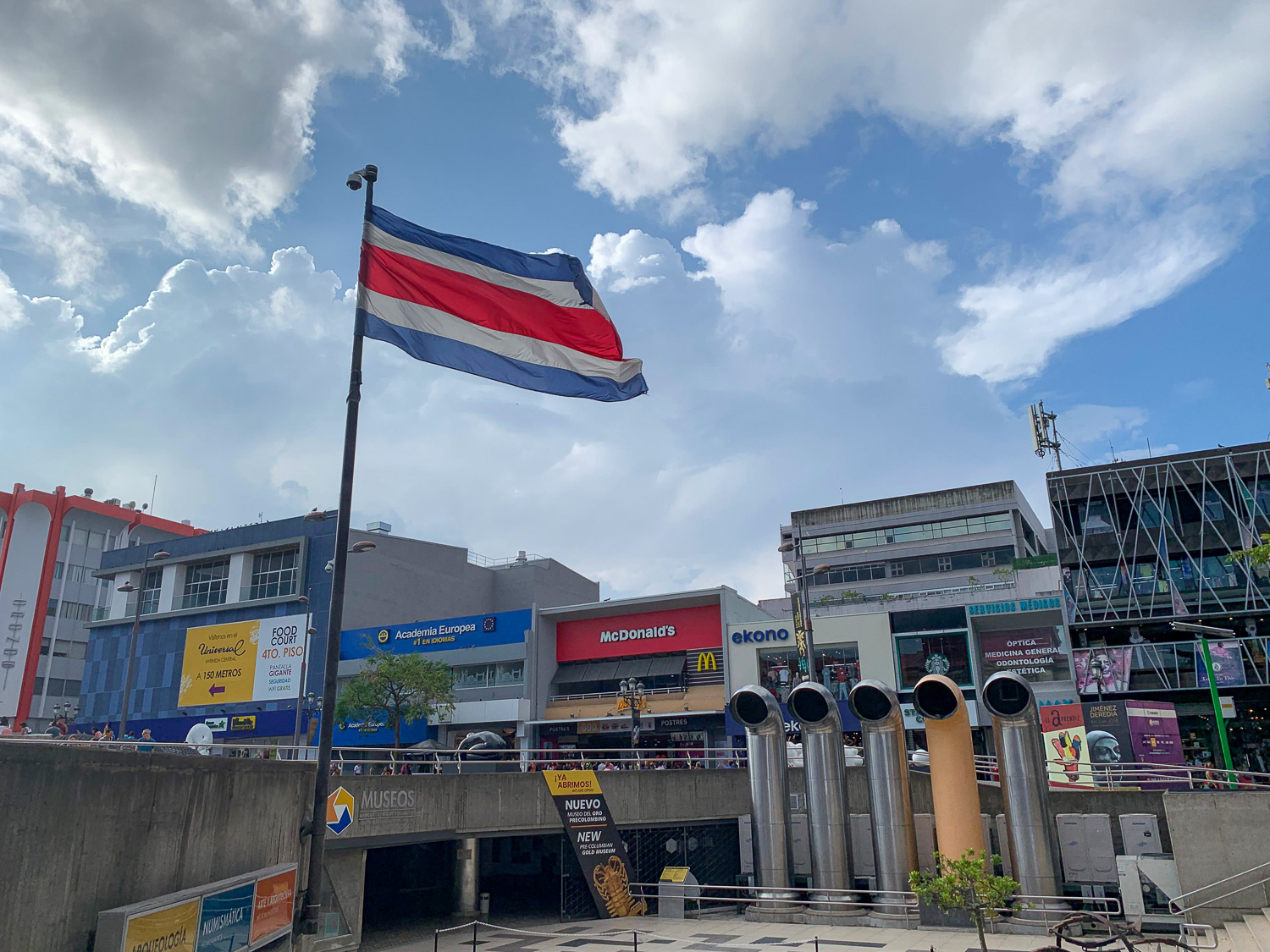 The entrance to the subterranean museum.
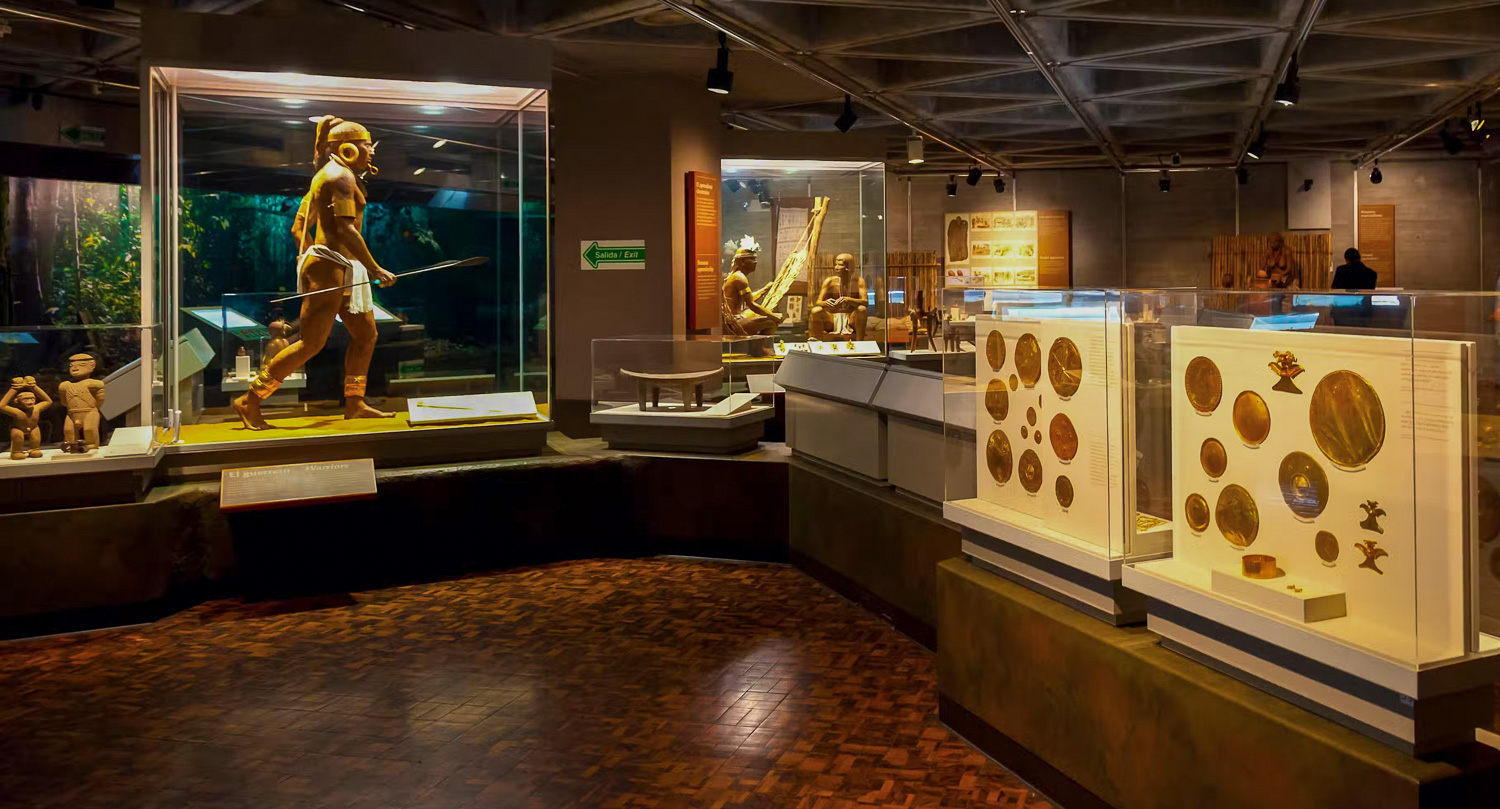 A life-size warrior adorned with gold ornaments are amongst the exihibits.
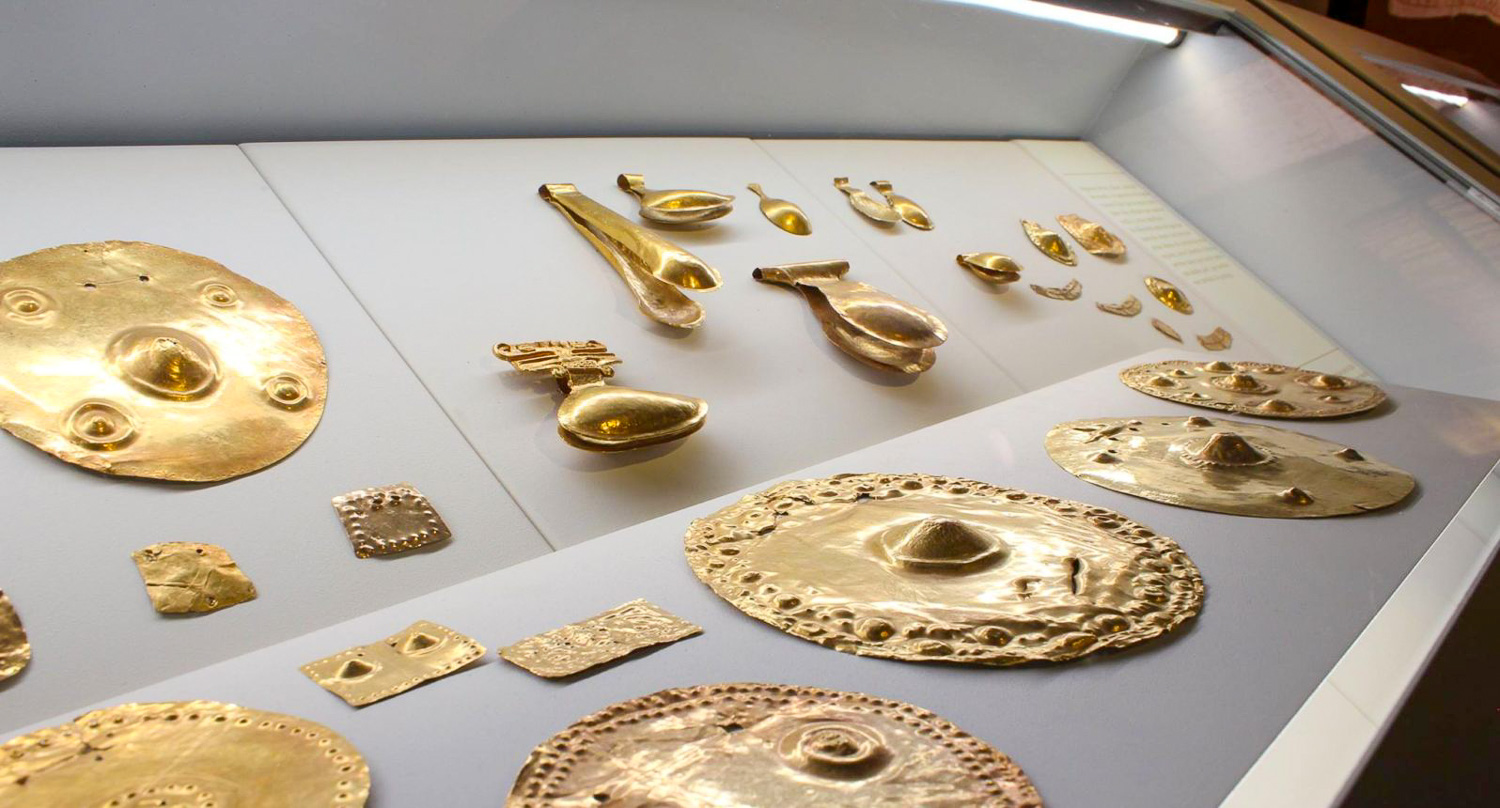 One of the many superb displays of the pre-Columbian gold artefacts
Our last day in San José was a trip to the Poas Volcano National Park.
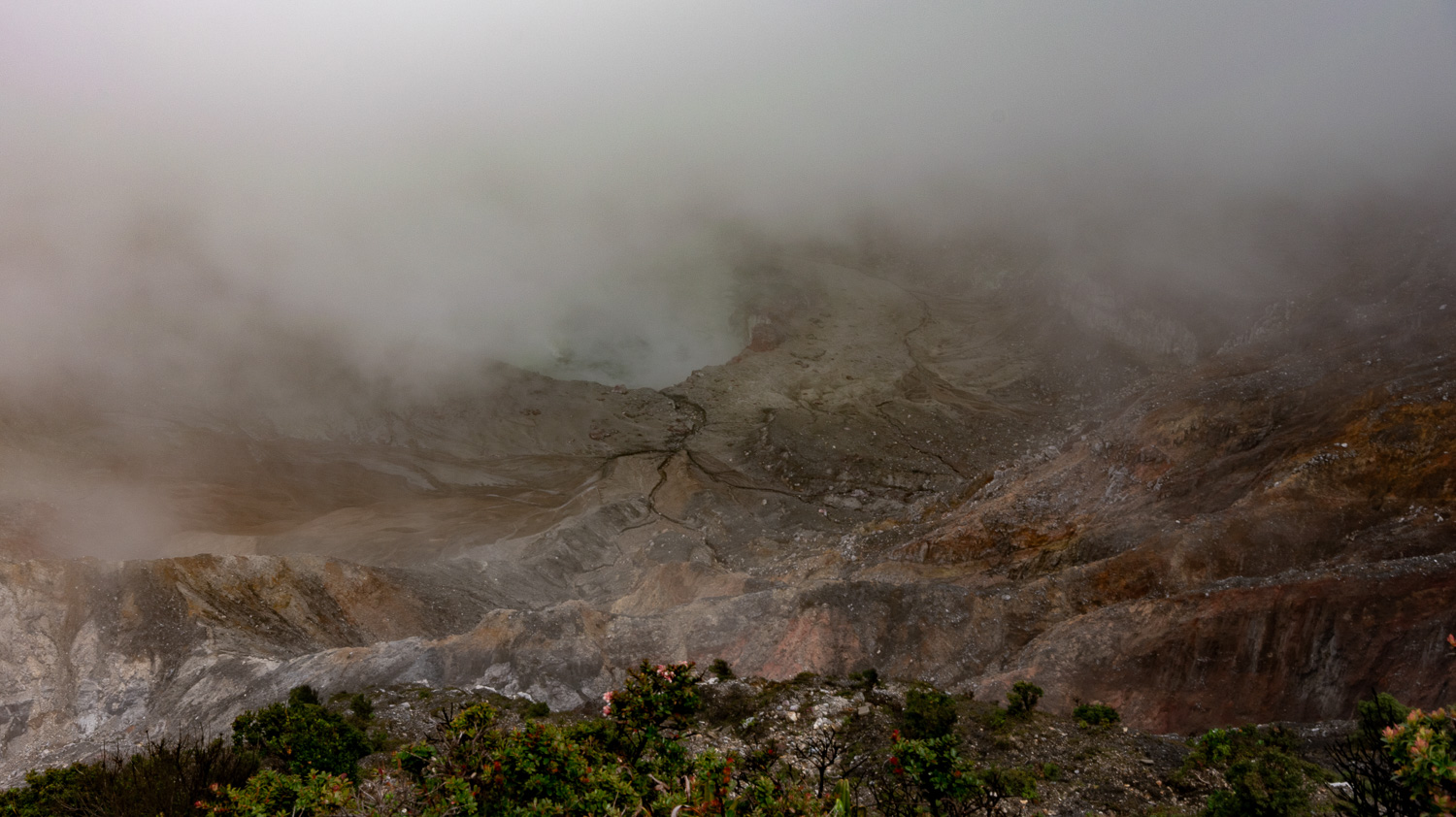
The Poas Volcano is a 9,000 ft stratovolcano, with one of the world’s largest active craters, measuring over a mile across and a depth of 1,000 feet. It has erupted 40 times since 1828, including in April, 2017. It’s peak is often covered in cloud.
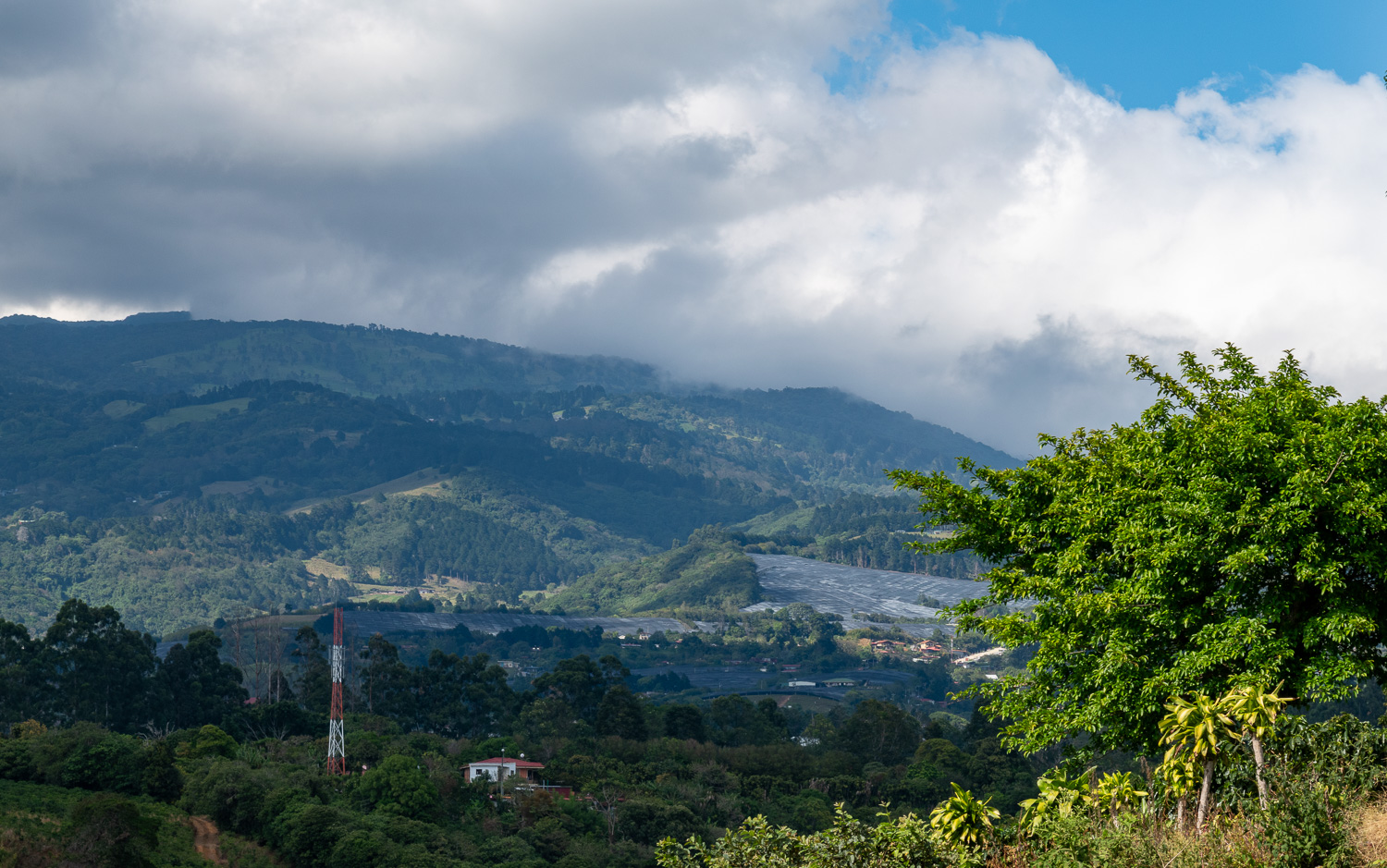 The cloud covered Poas Volcano
A short walk from the park entrance to a viewing platform, under normal circumstances, would provide a panoramic view of the crater. However, during our visit it was covered in cloud!
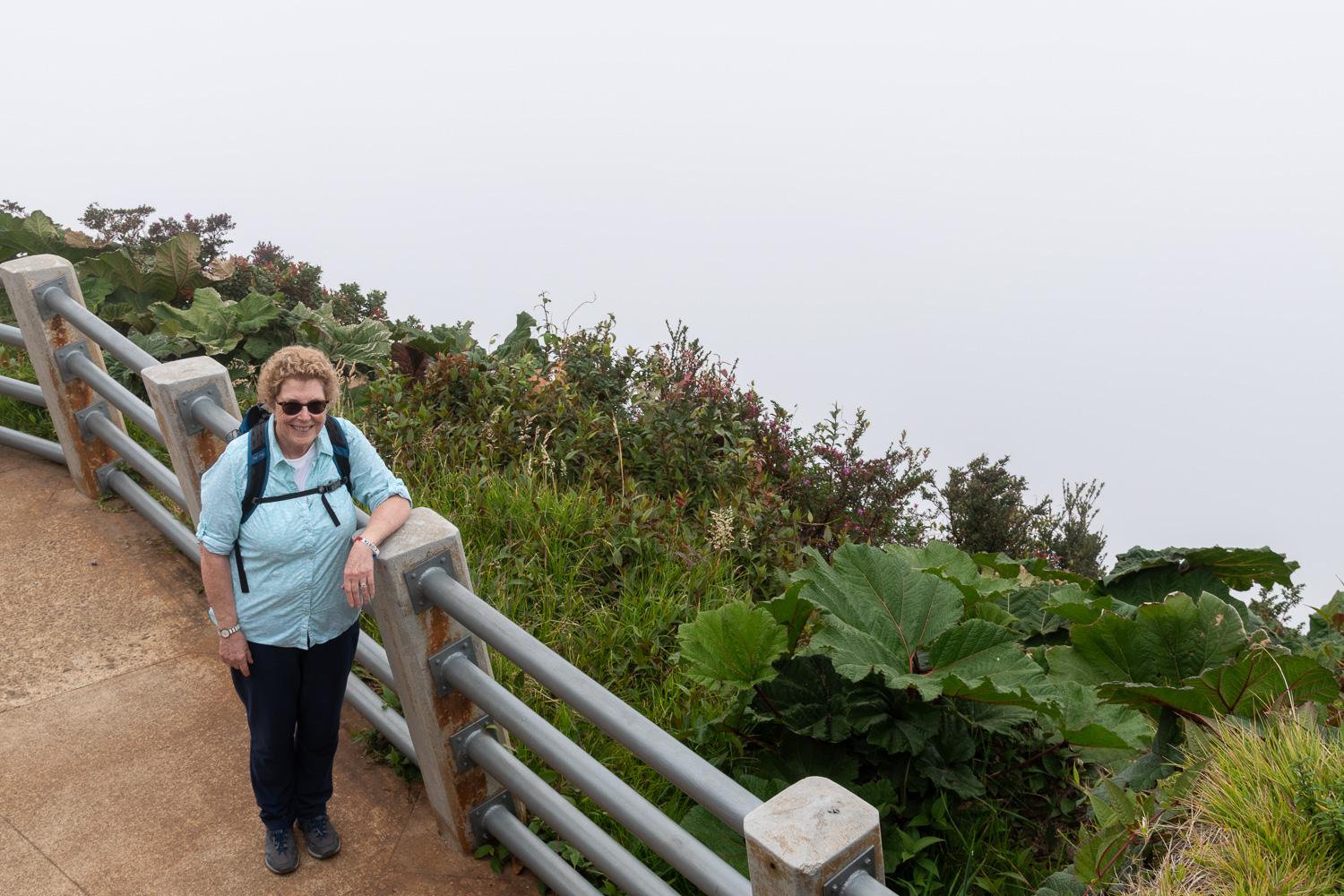 Charlotte with not much to look at!
A partial break in the clouds offered a glimpse of the active crater.
Pacuare Lodge
Heading east from San José our next stop was Pacuare Lodge, a luxury eco-hotel with only 20 suites that is situated on the banks of one of the world’s most scenic, white-water wonders, the Pacuare River of Costa Rica. It’s location offers a scenic backdrop to wildlife and pristine rainforest.
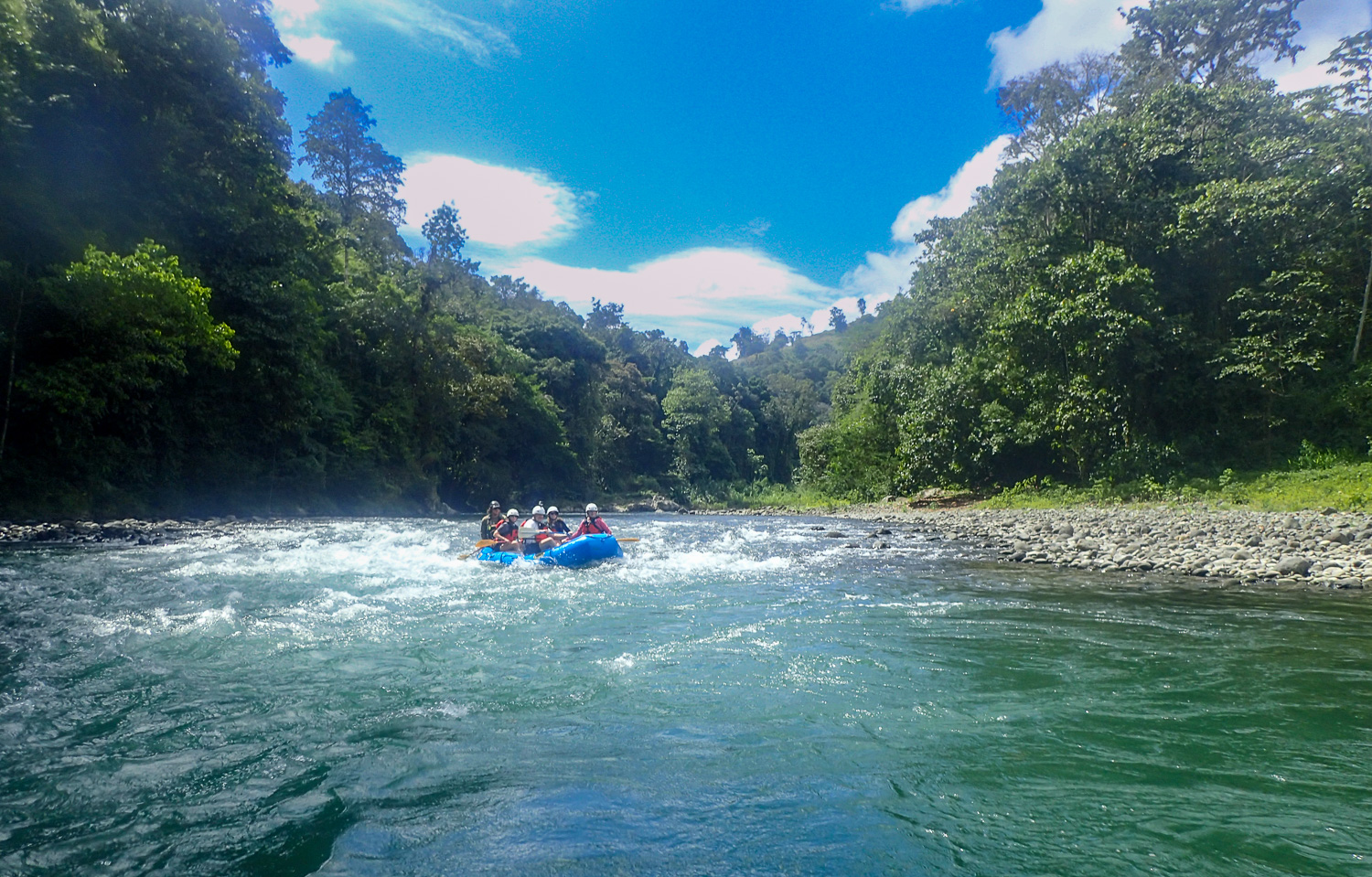
Access to the Lodge was via white water rafting, both for arrival and departure. Leaving the lodge involved a 13 mile trip on rapids up to class 4 – very exciting!
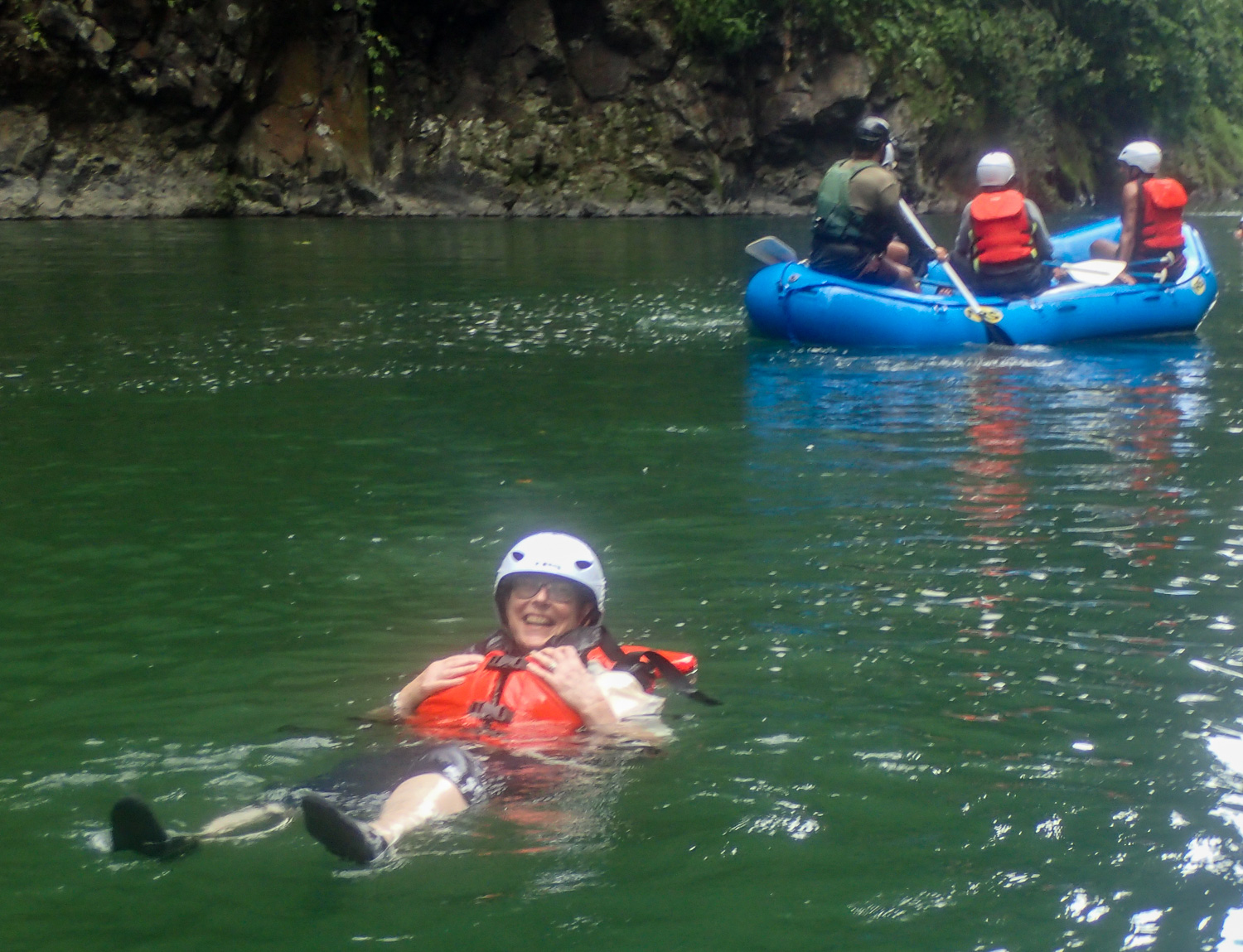 Charlotte cooling off with a quick swim in the river.
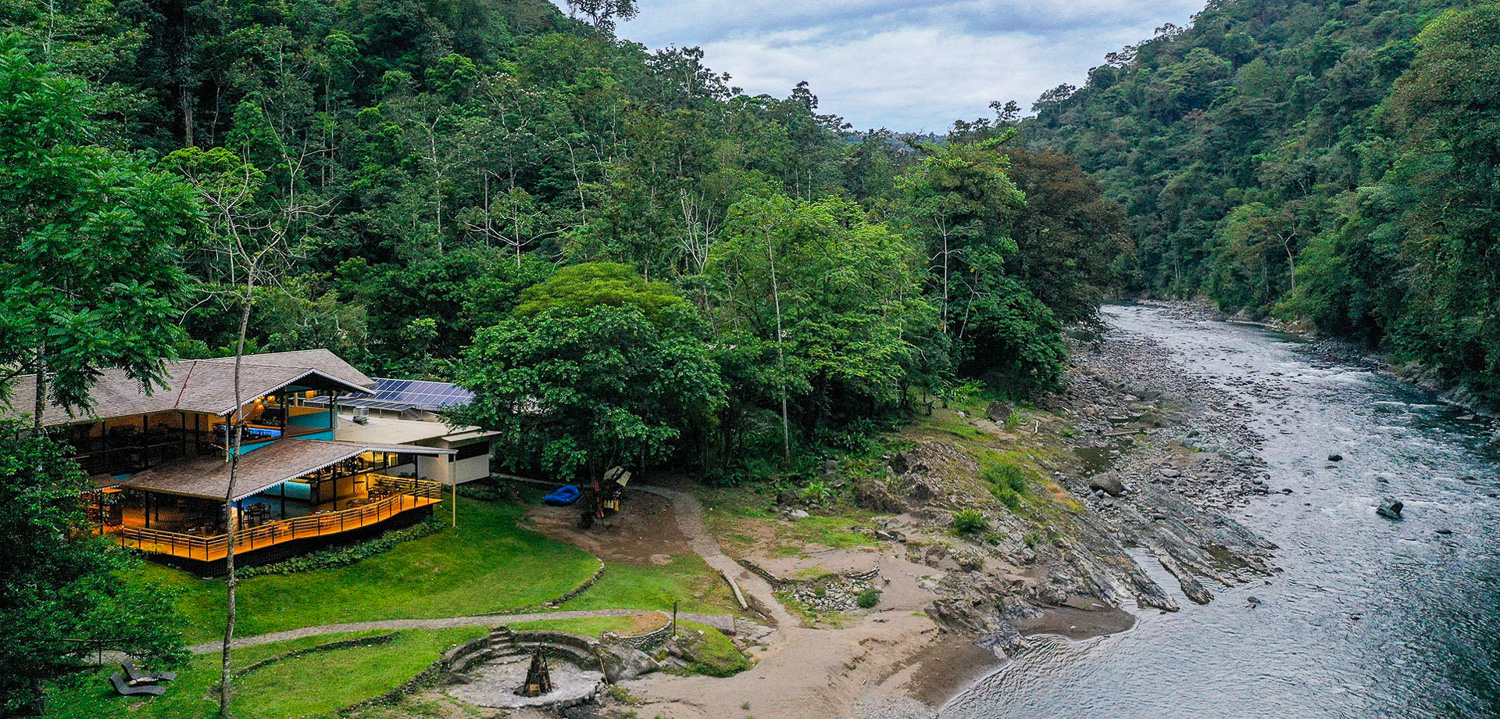 Aerial view of the Pacuare River and Lodge
We spent two days at the lodge, exploring the grounds and hiking trails around the lodge. Here are some of the flora and fauna we saw.
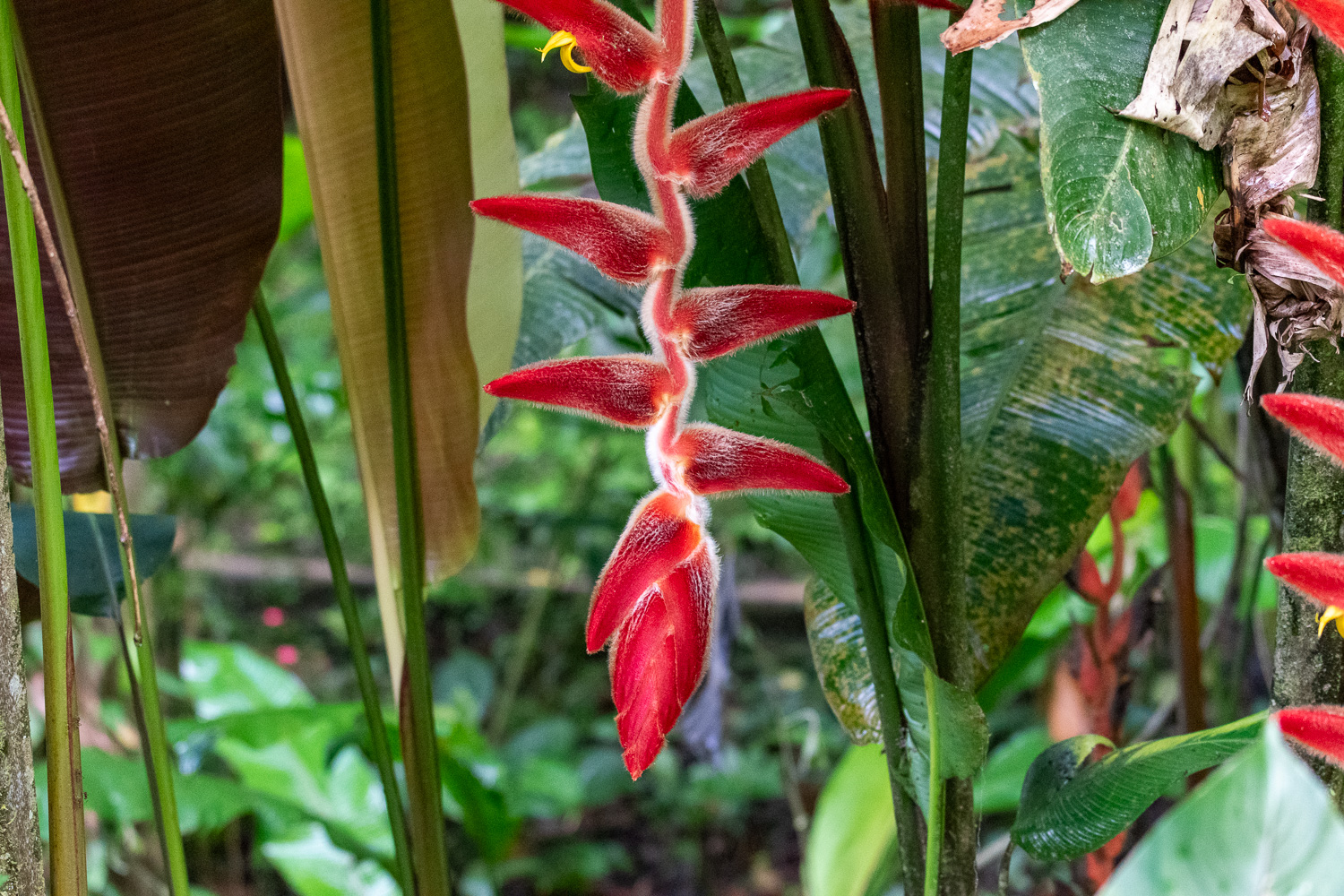 False Bird of Paradise plant
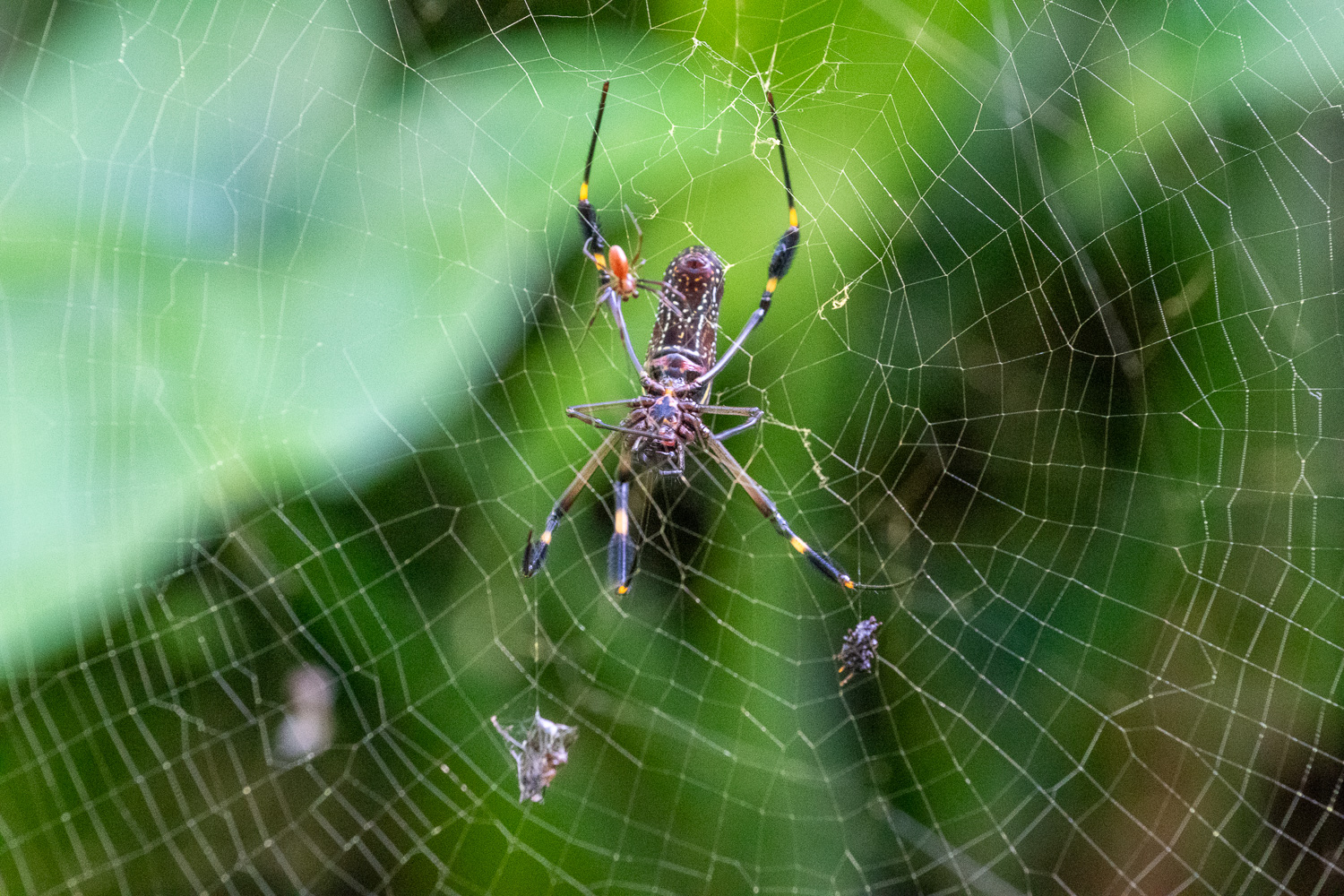 Golden Orb Spider
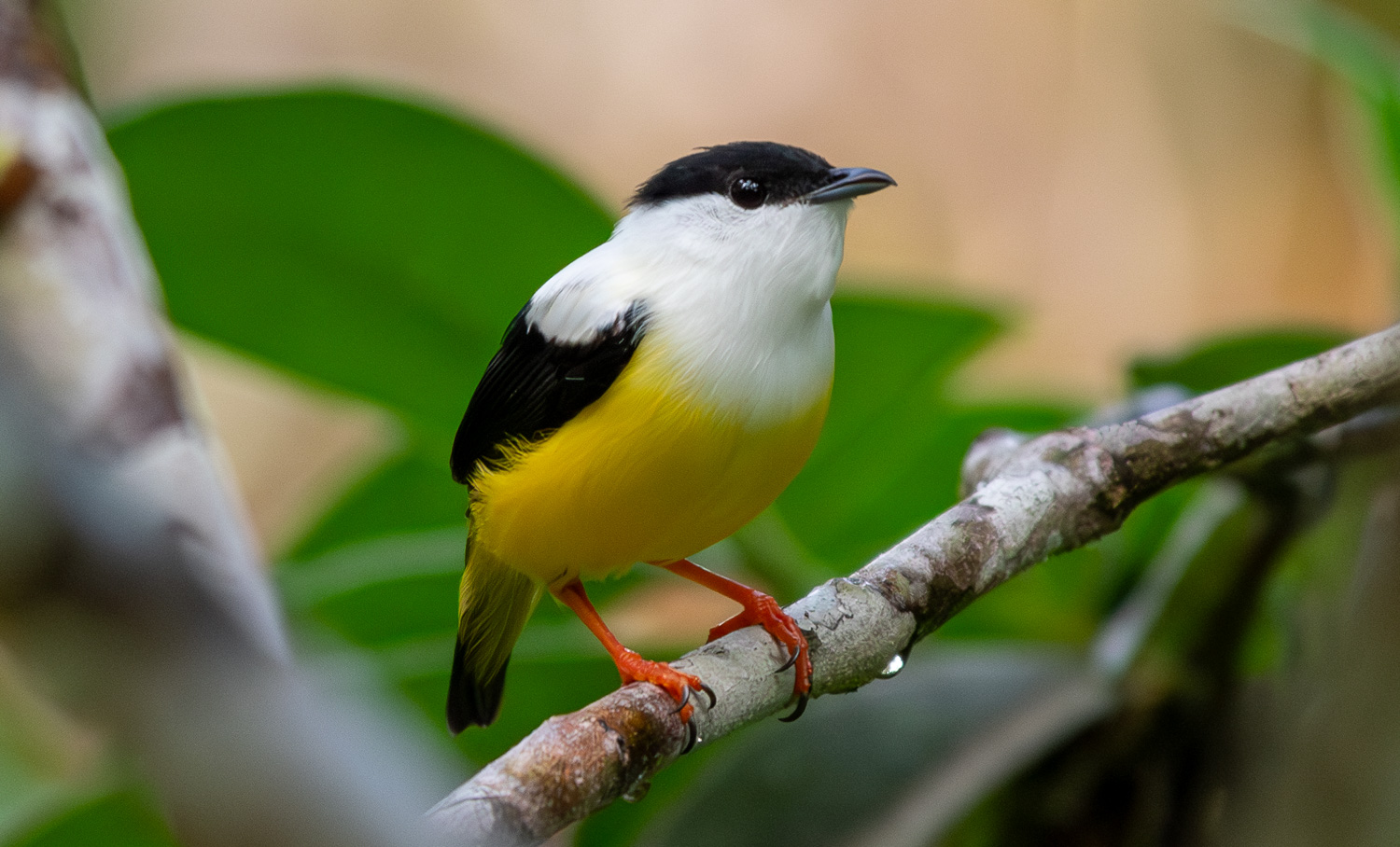 White Collared Manakin
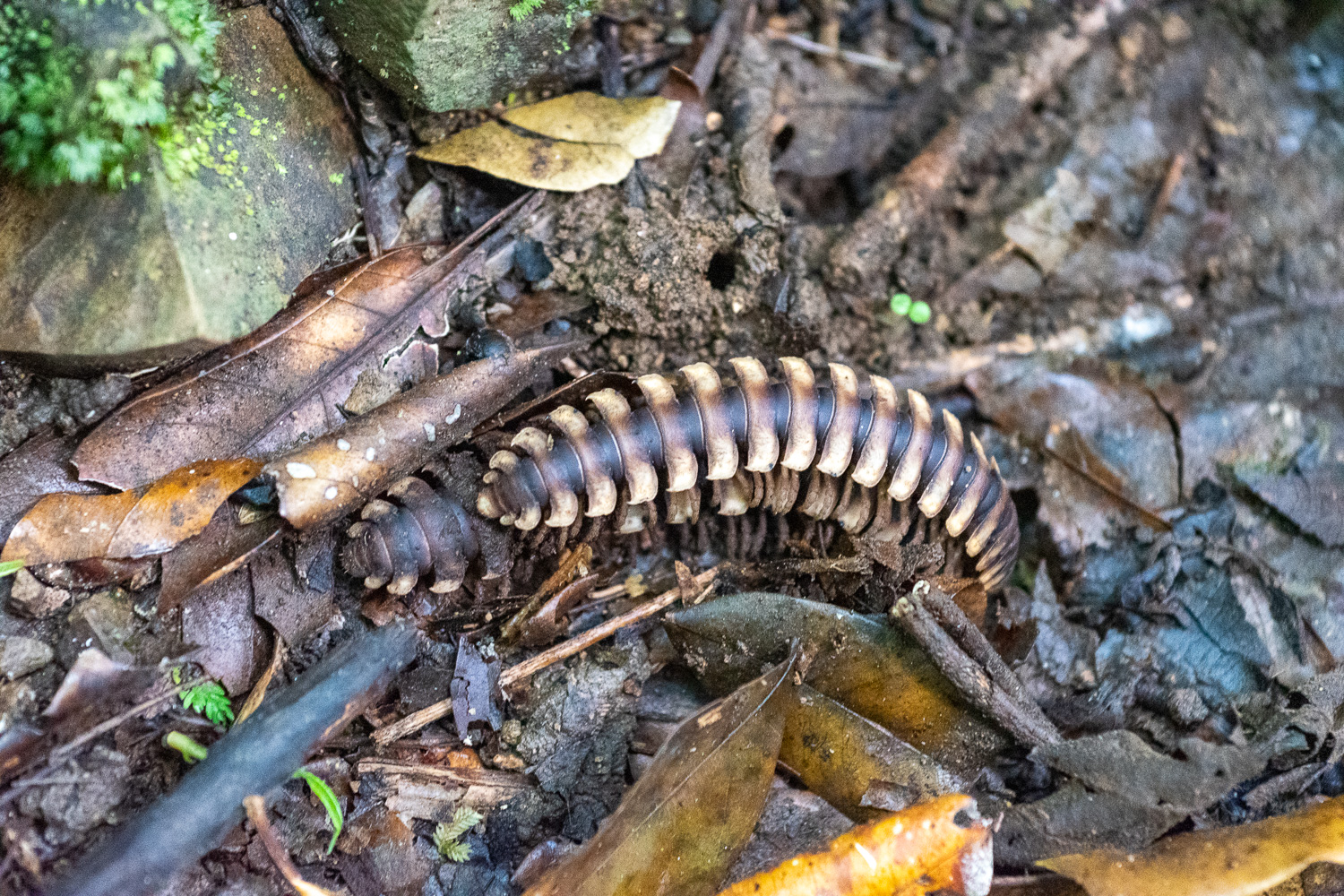 Mating Millipedes
Strawberry Poison Dart Frogs – these little creatures are just 1 inch long. We found these two under our lodge. The male was courting the female by making an absolute racket. Quite impressive from such a little frog.
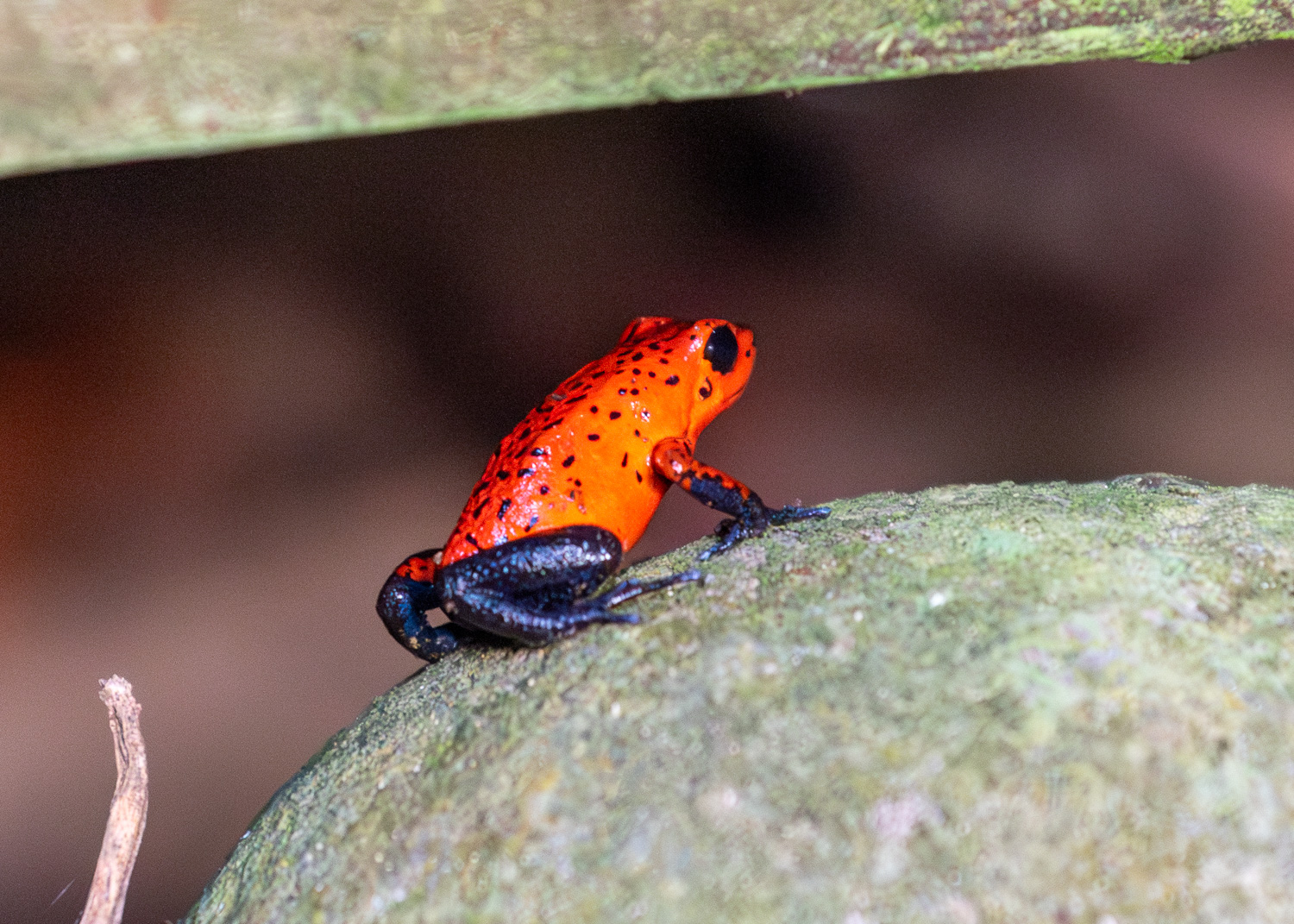 Female
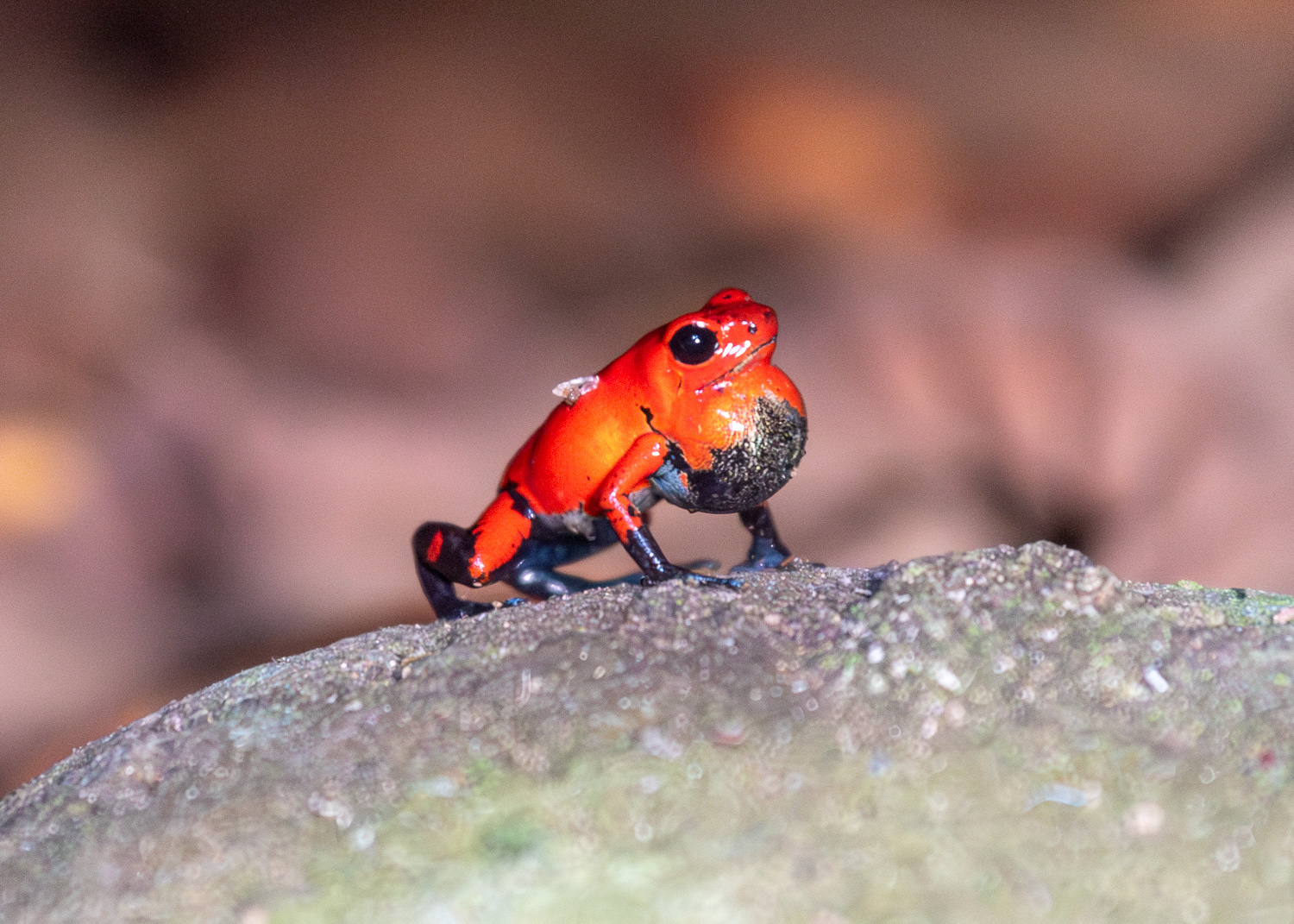 Noisy Male!
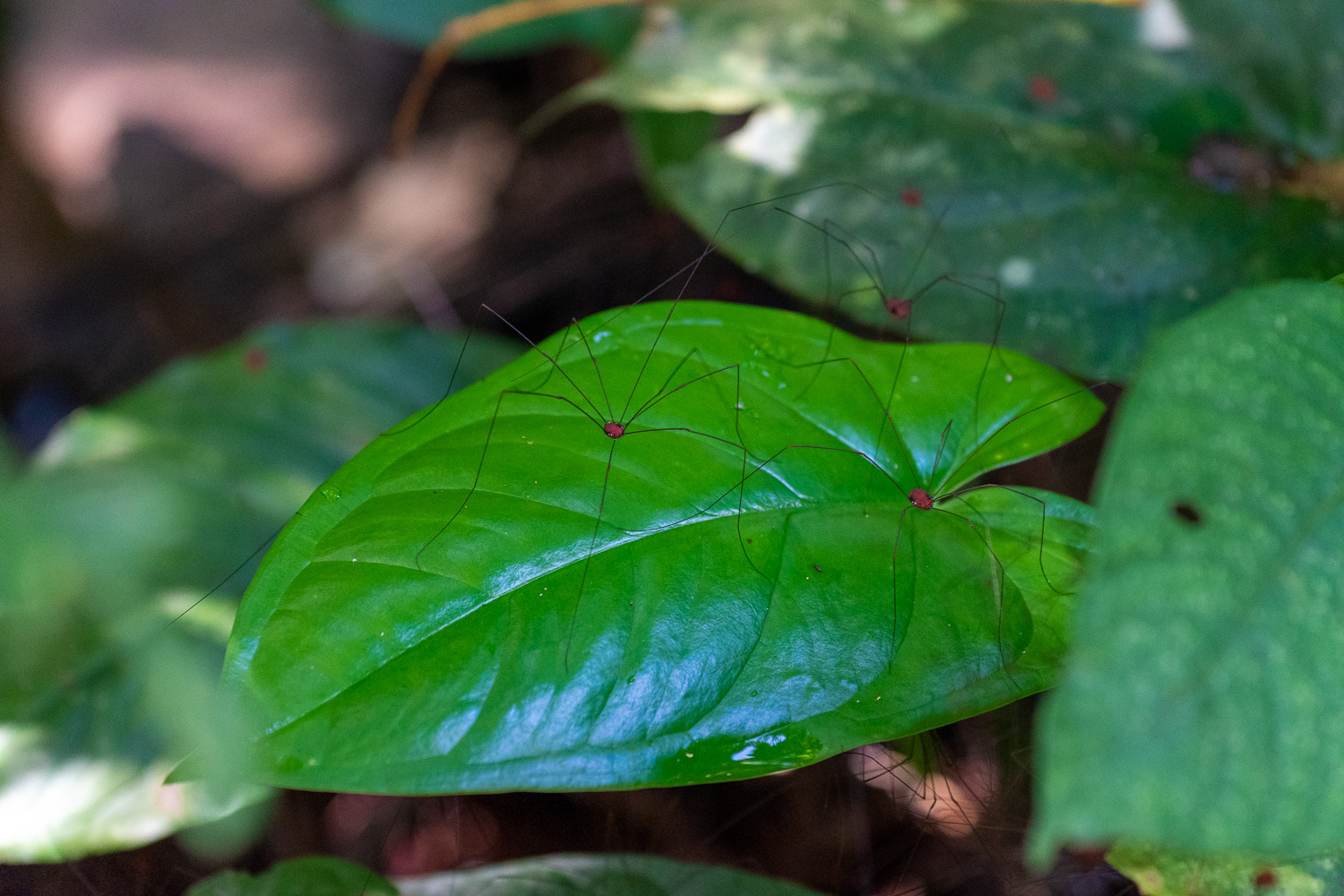 Daddy Longlegs
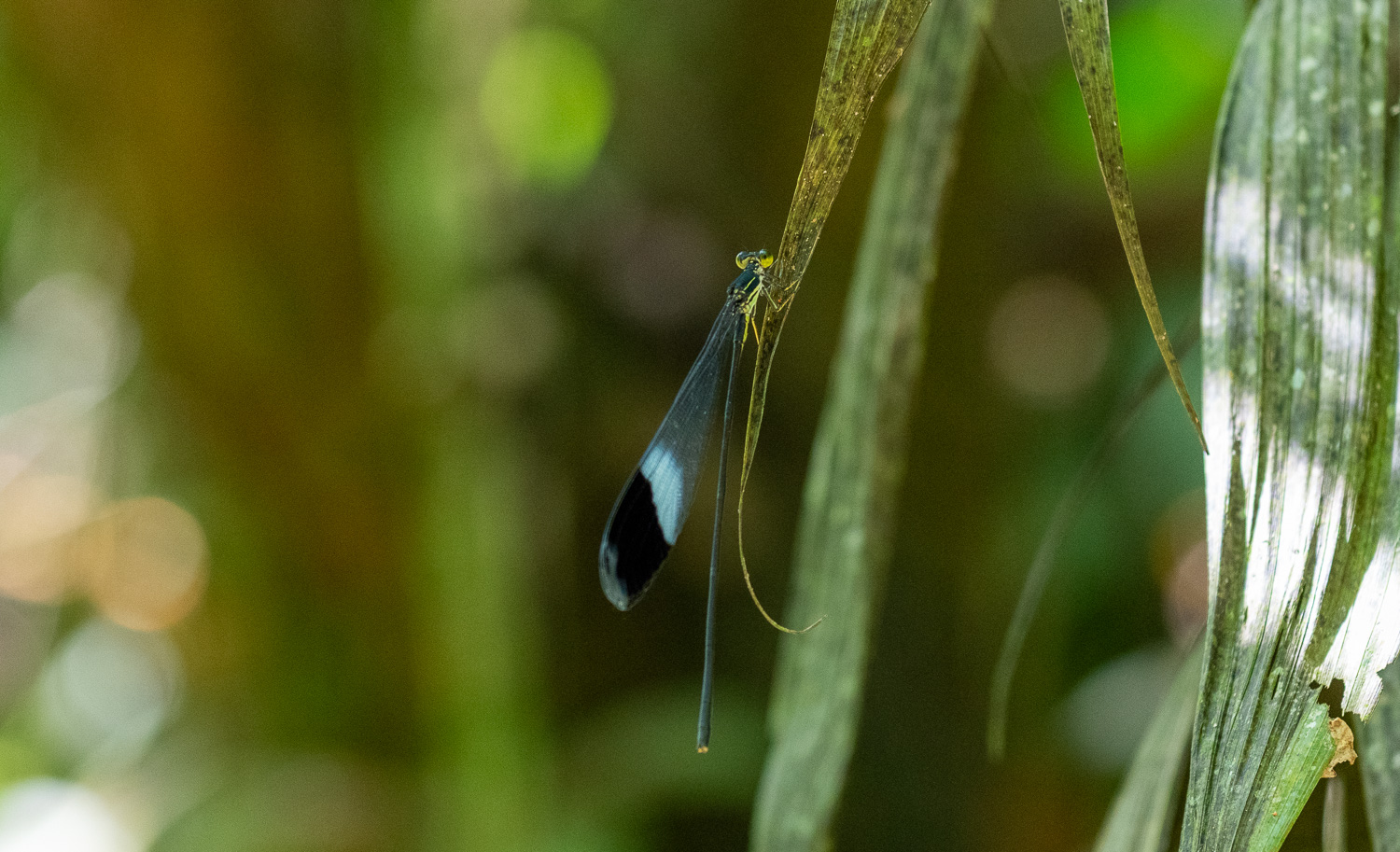 Giant Helicopter Damselfly
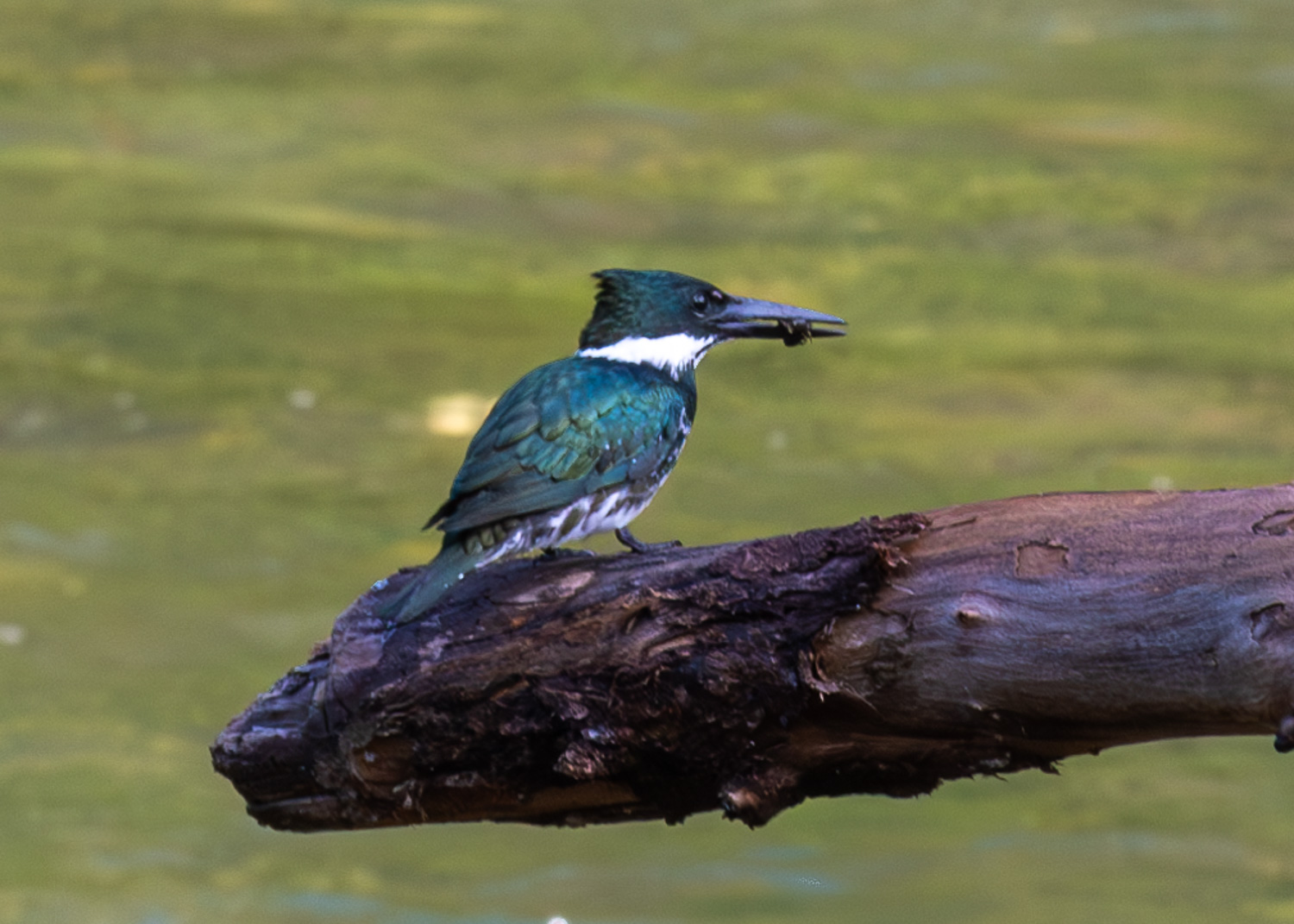 A Juvenile Green Kingfisher joined us for breakfast!
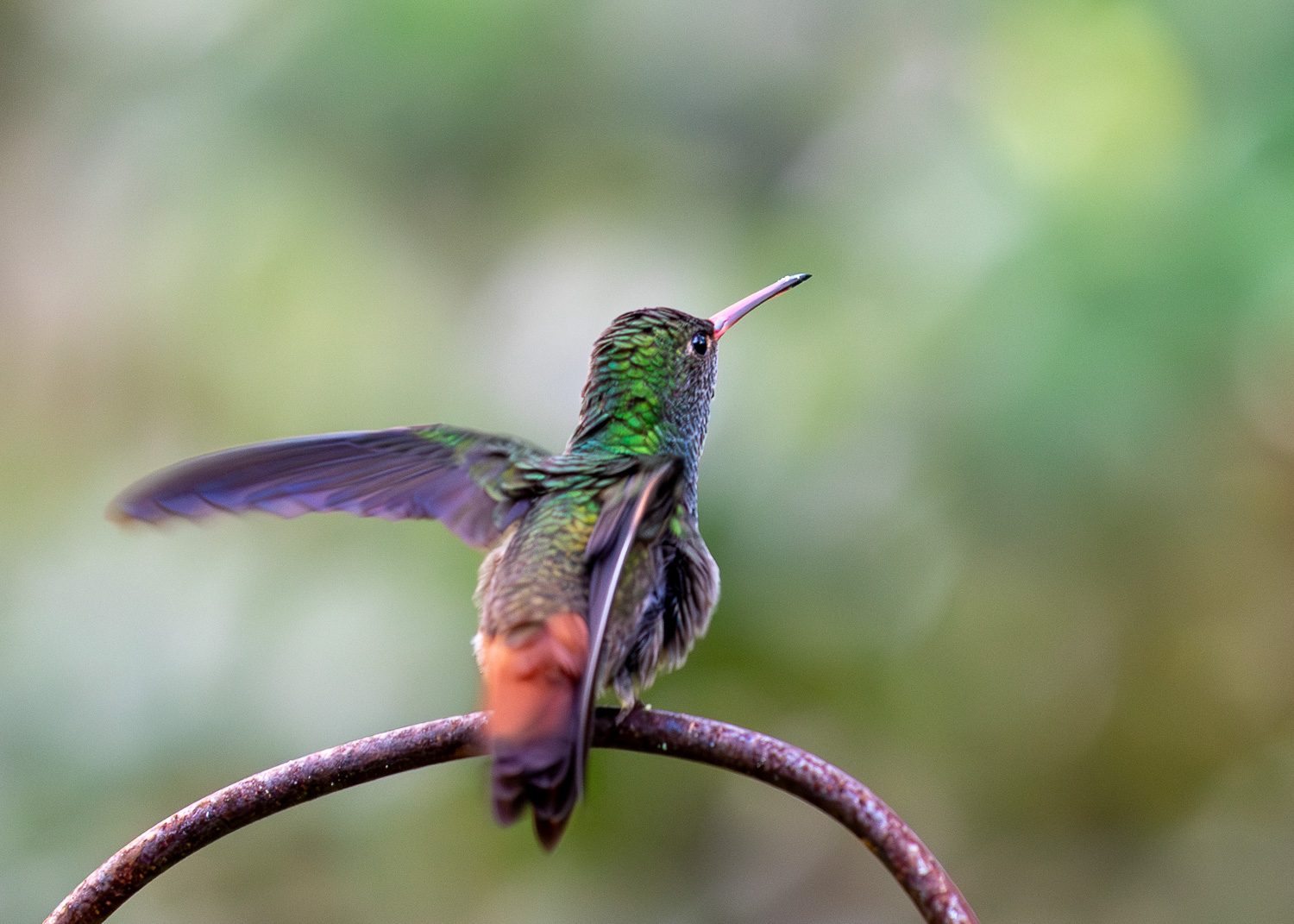 Scintillant Humming Bird
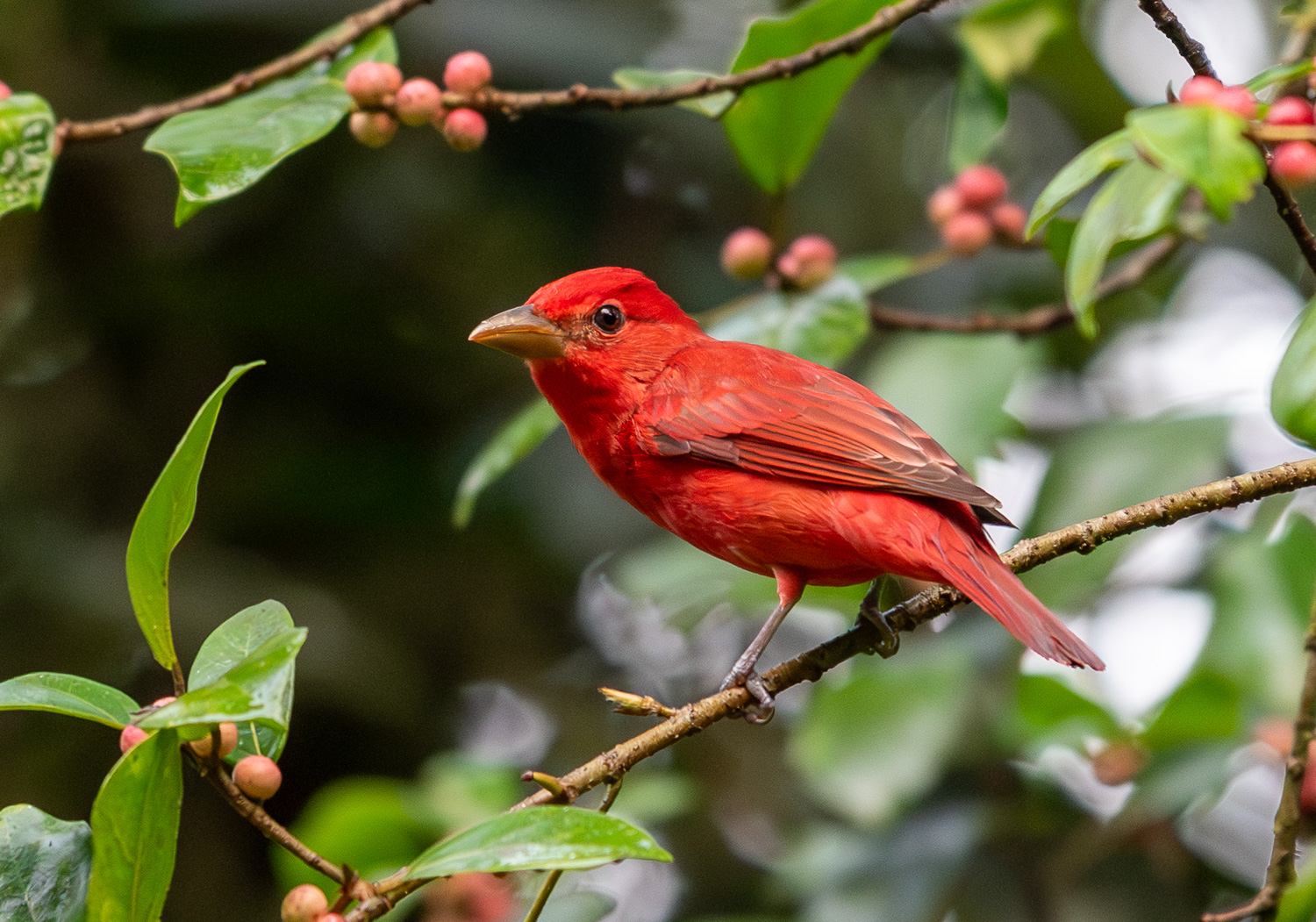 Rufous Piha
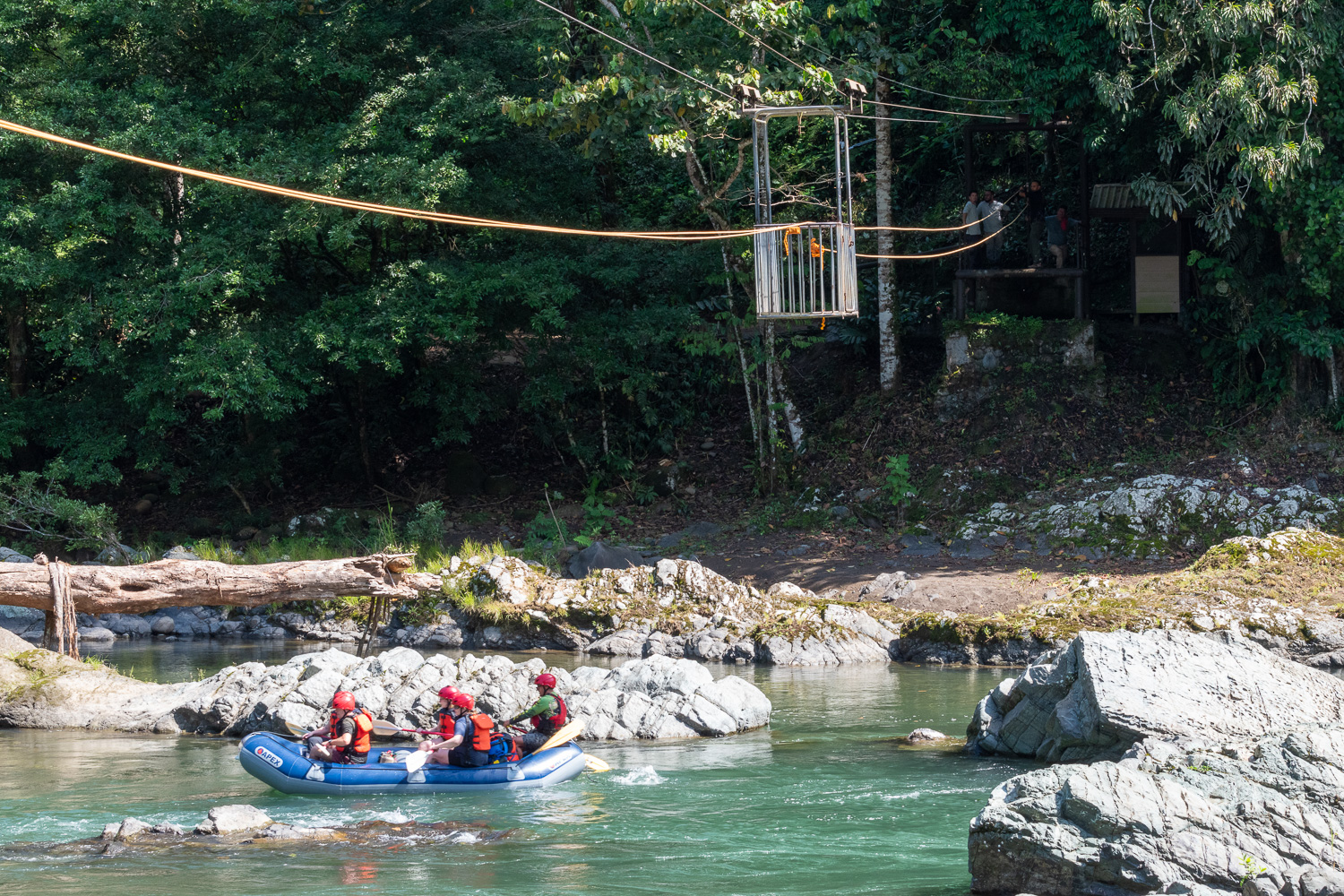
Hiking through the rainforest was one of the most interesting parts of our stay. One hike involved having to cross the Pacuare River. This was achieved by a four-man, manually operated rope cage, with ourselves and two guides who did all the rope pulling!
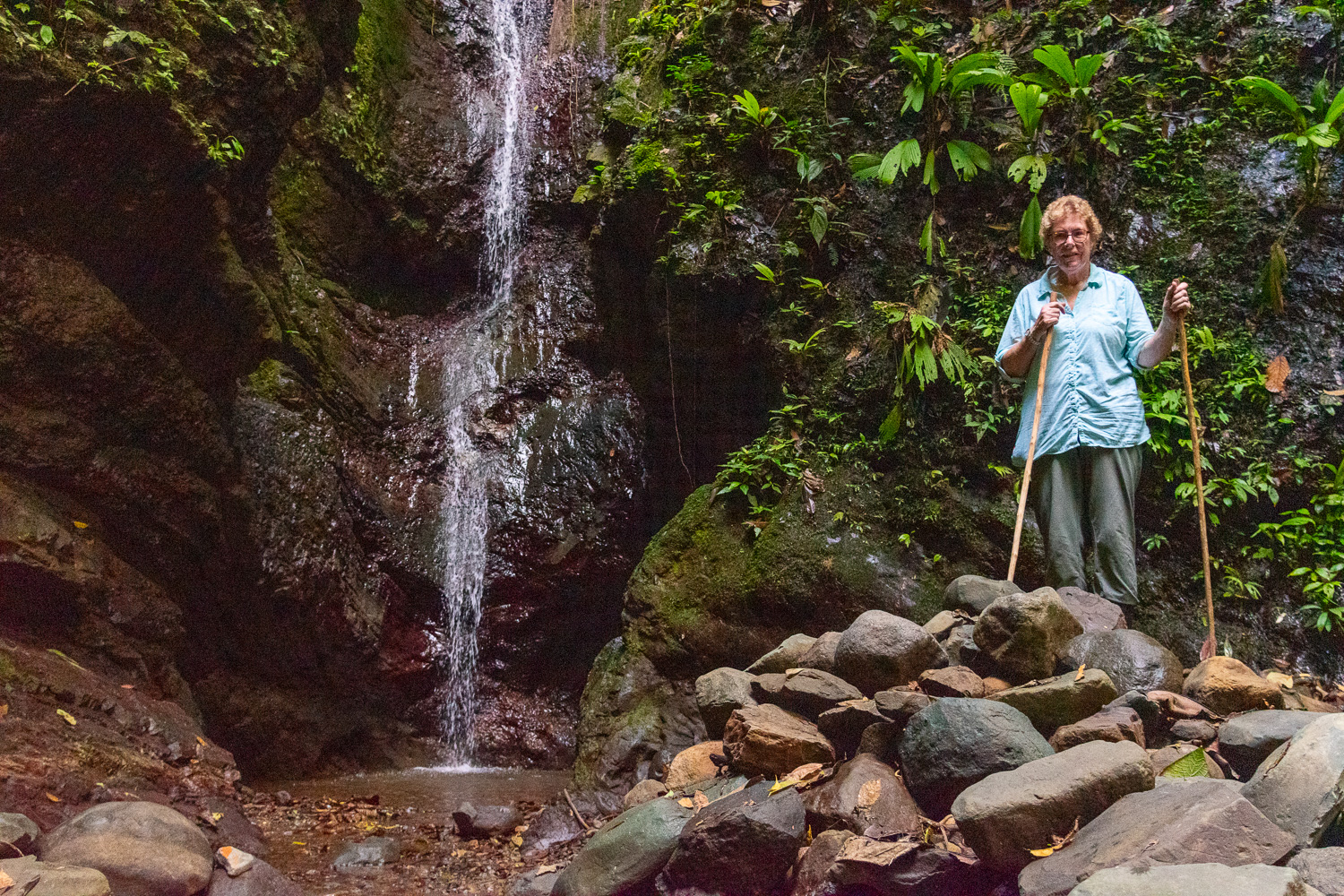 At times the humidity could reach 100%, particularly after rainfall, so a break by a small waterfall was refreshing!
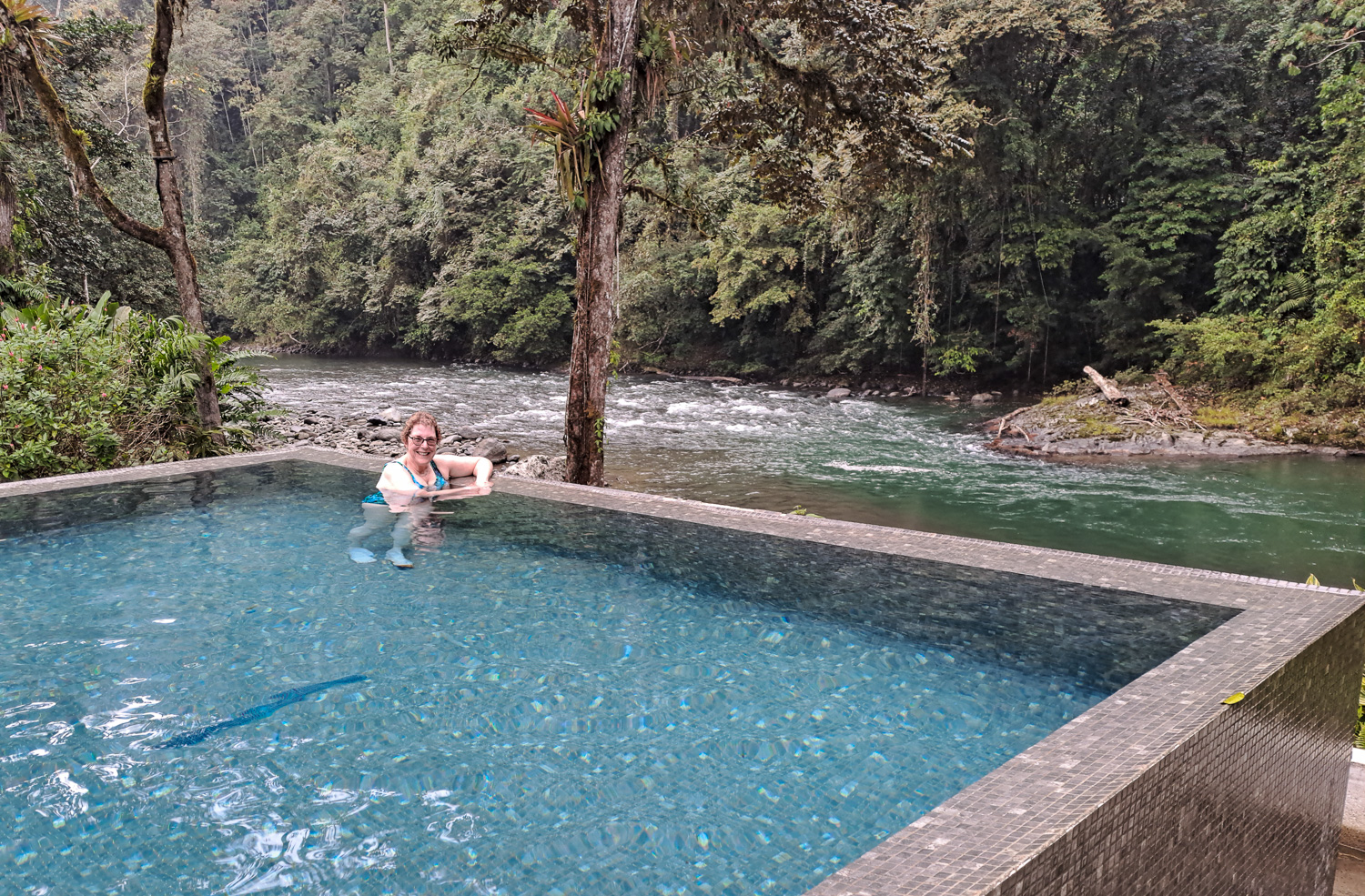 Charlotte enjoying a swim in the infinity pool overlooking the river after a long hike in the rainforest
 Charlotte & Graham's Travels