Before heading to the South Island we spent a day hiking in the Tongariro National Park and a few days in the country’s capital Wellington.
Tongariro National Park was established in 1887 and is the oldest national park in New Zealand and was the fourth national park established in the world. It has been acknowledged by UNESCO as a World Heritage Site. The park covers 300 square miles and contains three active volcanoes including the one that became Mount Doom in “The Lord of the Rings” films. In the park is Taranaki Falls, which is regarded as one of the prettiest waterfalls in New Zealand.
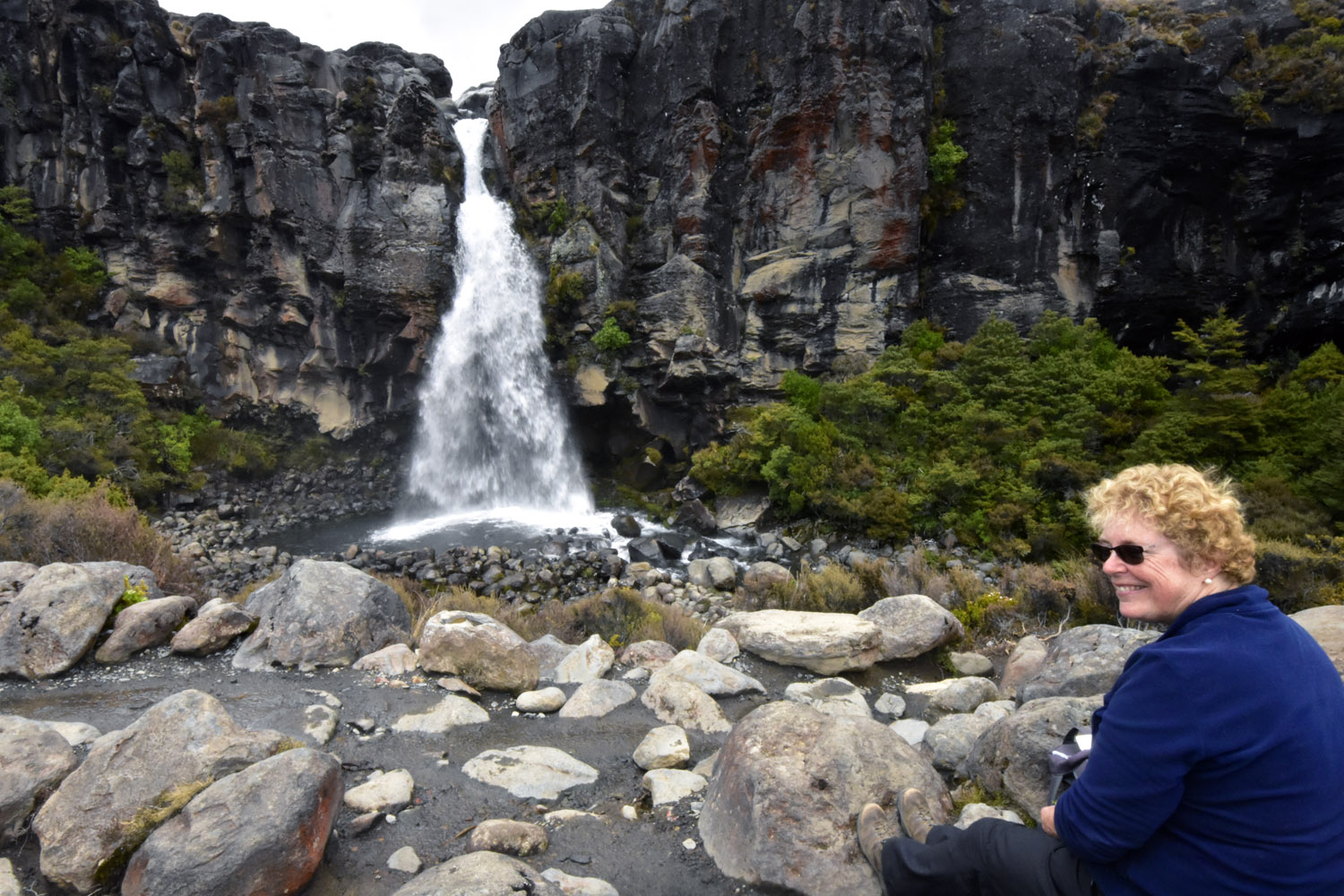 Taranaki Falls
On the drive to Wellington we stopped off for a few hours in the small city of Napier, which is known as the Art Deco centre of New Zealand. Following an earthquake in 1931 all but a few of Napier’s buildings were completely destroyed. Napier came back from the earthquake with a clean slate and fresh land to build on. Over 100 new buildings were constructed in the downtown area between 1931 and 1933. The vast majority took their cues from Art Deco, the era’s cutting-edge architectural trend.
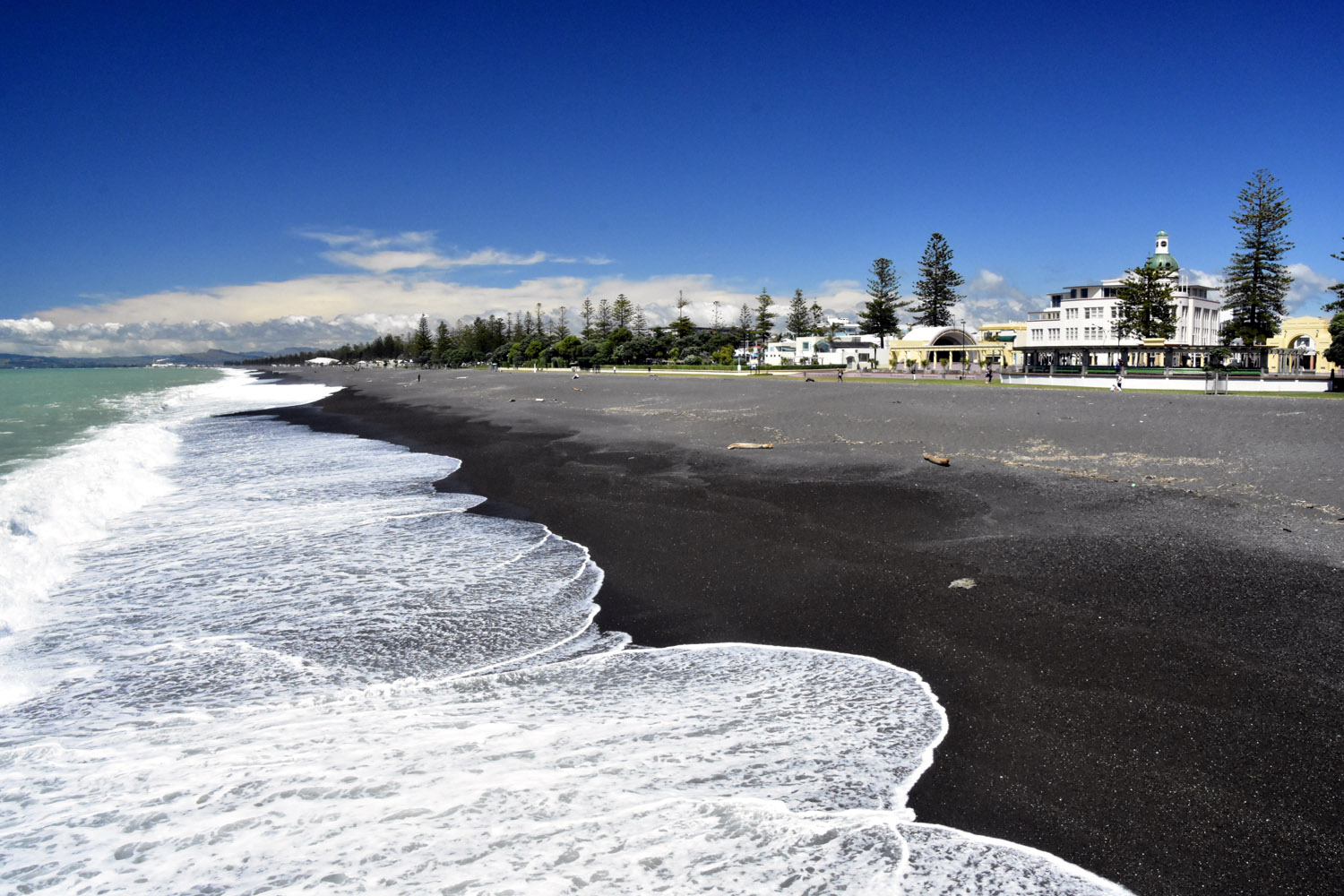 Napier – Fabulous beach and seafront Art Deco buildings
Wellington is a typical, albeit small, capital city with interesting museums, restaurants and street life. It is also home to a fantastic predator free ecosanctuary, which has many rare and endangered animals, including the Tuatara (a reptile that is a direct descendant of the dinosaurs) and of course the nocturnal Kiwi flightless bird. We where lucky to see a couple of Kiwis during a night walk around the sanctuary! Wellington has a beautiful location nestled at the centre of a large natural harbour and is home to the main ferries that cross Cook’s Strait to the South Island – our next port of call.
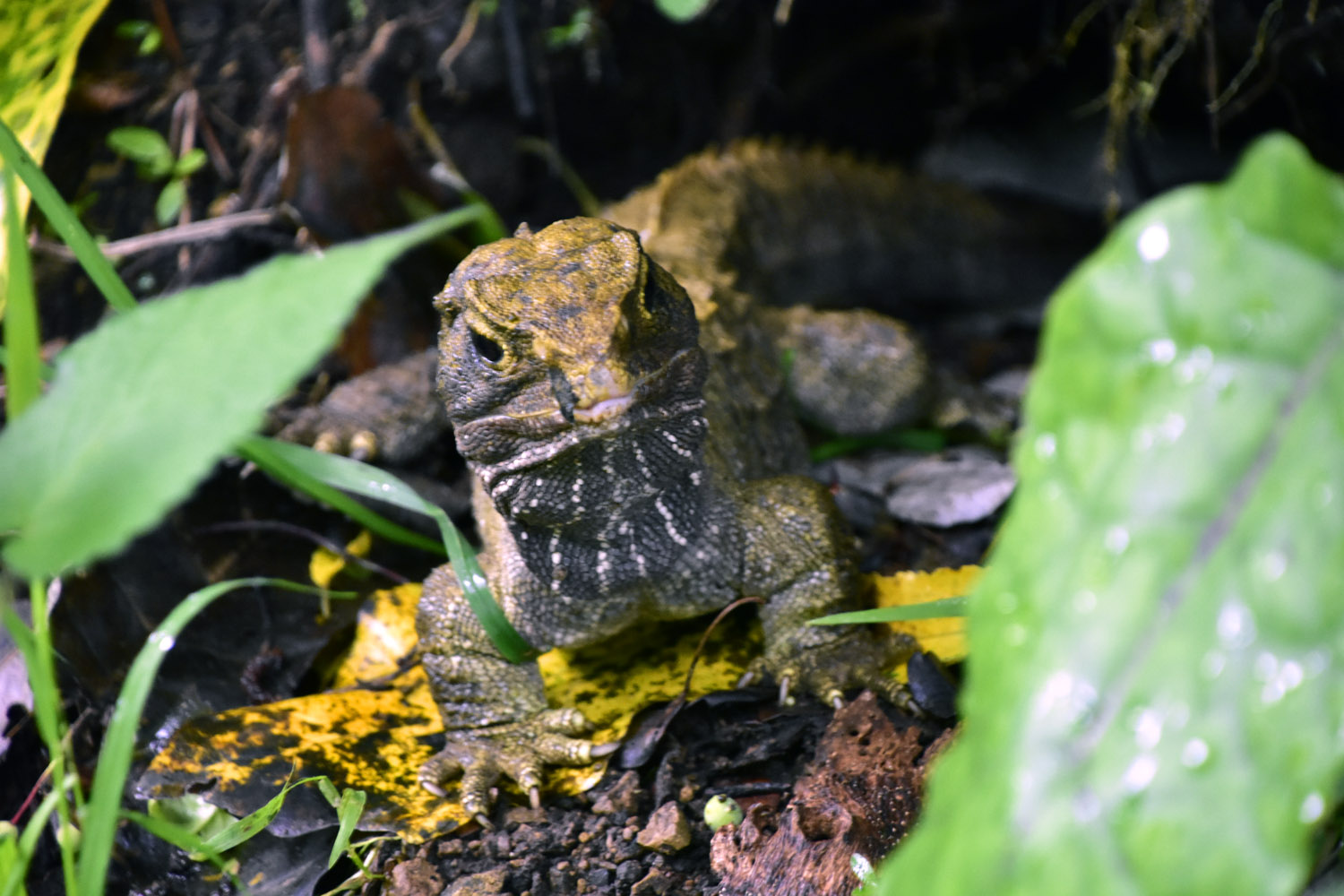 Tuatara – An adult about 18in long
Our first stop in the South Island was Kaikoura, where we hiked around the Kaikoura Peninsula and viewed the amazing shallow limestone bays and got up close to a lovely colony of fur seals.
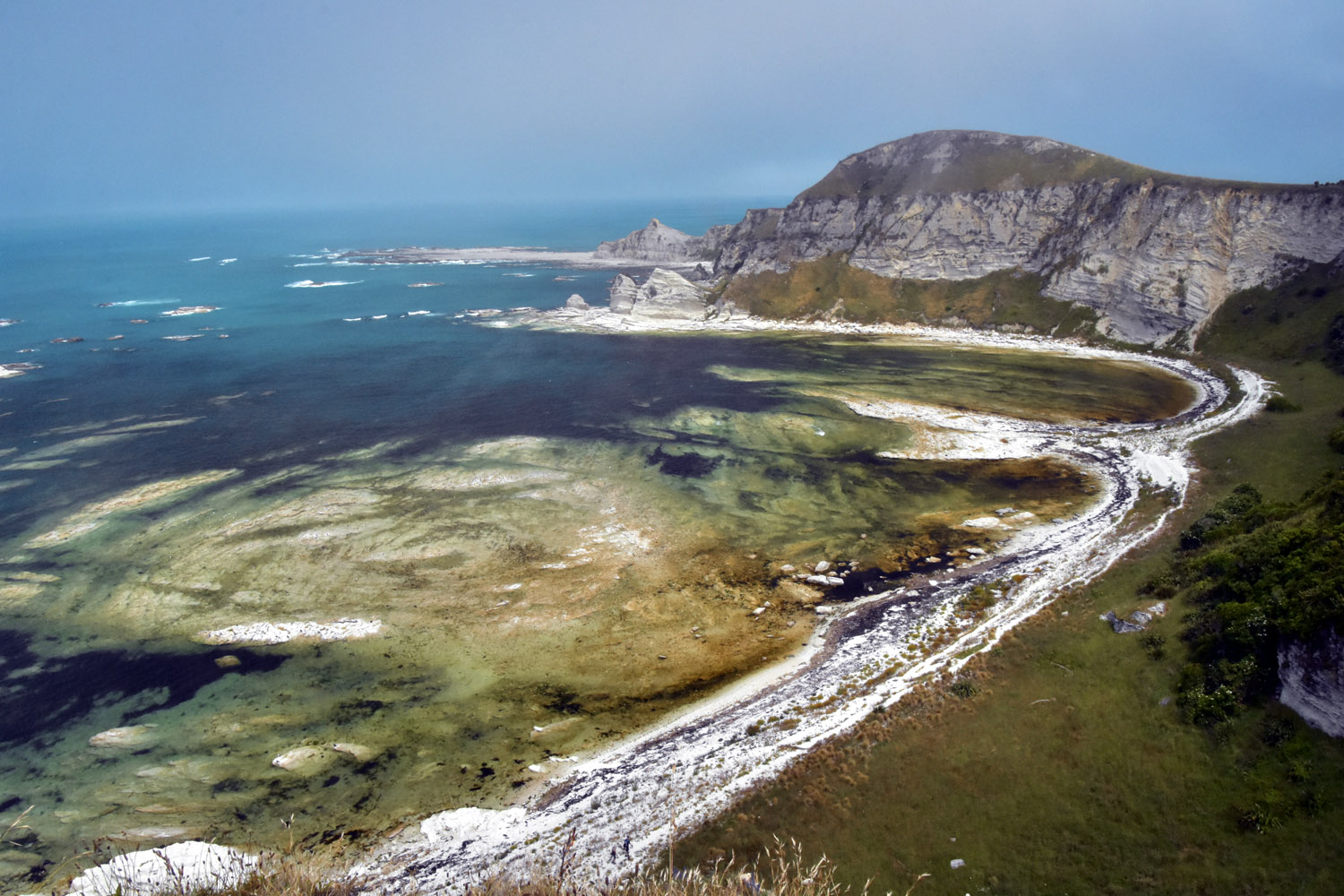 Kaikoura Peninsula – Shallow Limestone Bay
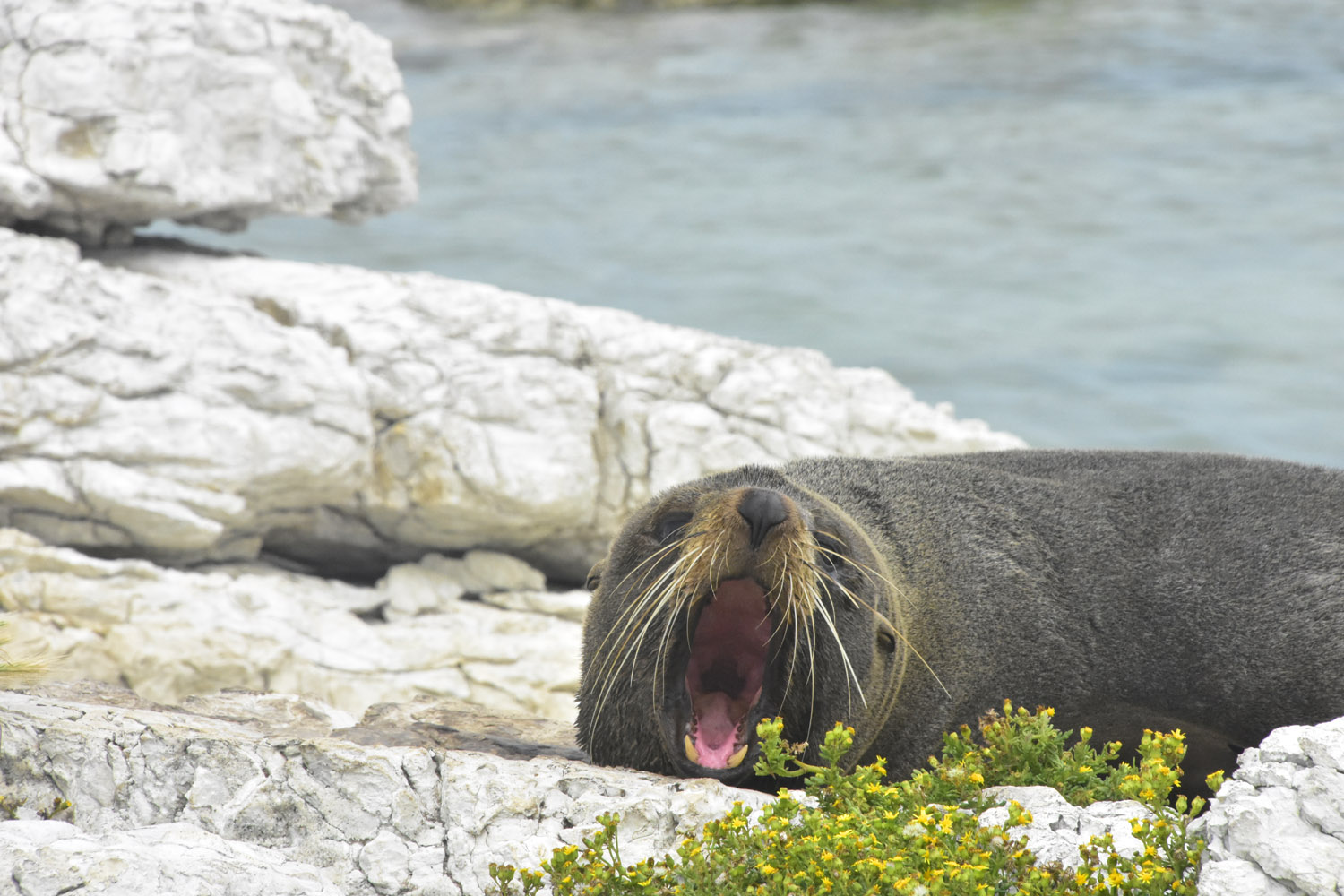 Kaikoura Peninsula – Fur Seal
Christchurch was the next stop on our travels. In Sep 2010 the city was hit by a 7.2 earthquake and a massive aftershock in Feb 2011. Both of these contributed to significant loss of life and 80% of the downtown buildings being destroyed. In the last 7 years the centre has been largely rebuilt into a fantastic modern city. There are still signs of the earthquake but these are slowly being replaced as money and resources allow.
Just outside Christchurch is the small settlement of Akaora, where we got to see two to very rare animals – Hector Dolphins and Little Blue Penguins.
Hector’s dolphins are the smallest and rarest marine dolphins in the world and are only found around the inshore waters of the South Island of New Zealand, with Akaroa Harbour and Banks Peninsula hosting the highest population in one location. They are distinguishable by their rounded black dorsal fin, which is shaped like a Mickey Mouse ear. Their bodies are a distinctive grey colour, with white and black markings. They also have a short snout.
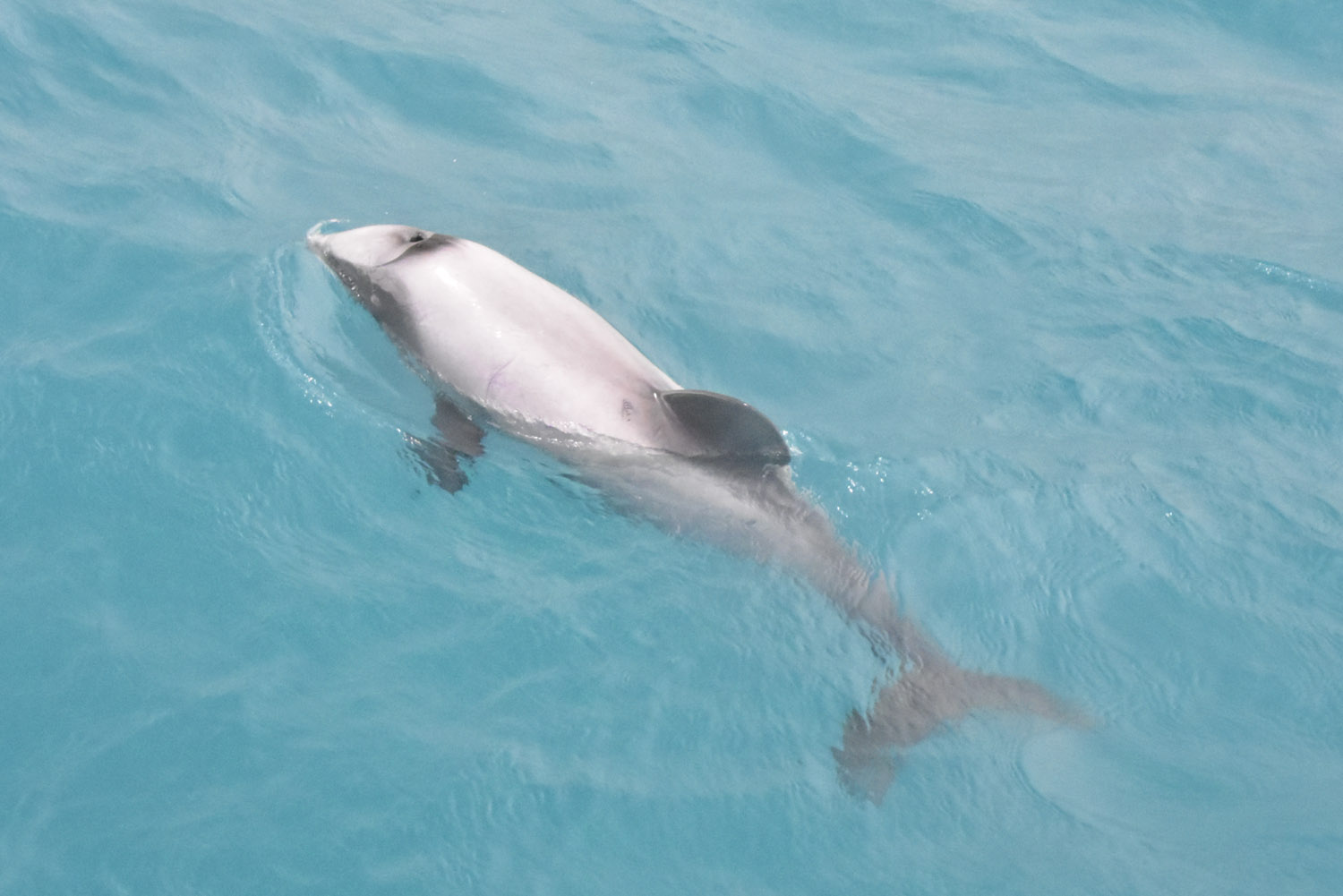 Hector’s Dolphin
The Little Blue Penguin is the world’s smallest penguin and is just over 10 in tall and weighs around 1 kg. Adult birds only come ashore at night and may waddle up to 1 mile from the sea, and climb 1000 ft to find their nest site. We visited a marine sanctuary where we saw how abandoned chicks are reared and then released into the wild. At dusk we watched from hides as the adults came ashore from the bay and climbed the rocks. A real privilege to view such wonderful animals.
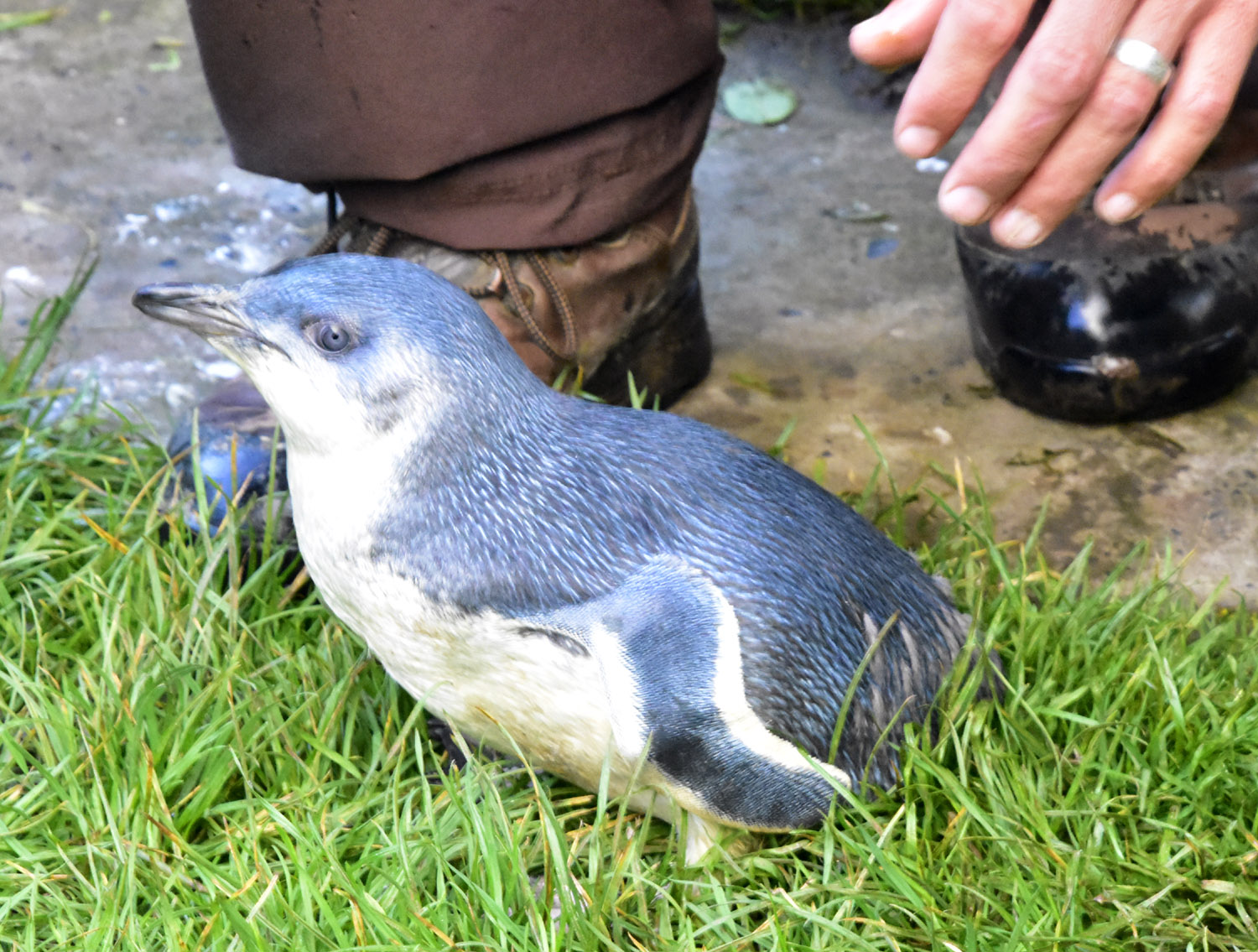 Little Blue Penguin – Abandoned chick soon to be released into the wild
It was now time to drive across to the west coast of the South Island. The Southern Alps run down the spine of the South Island and to cross them we drove the Alpine Highway through Arthur’s Pass National Park – one of the most stunning drives we have ever done!
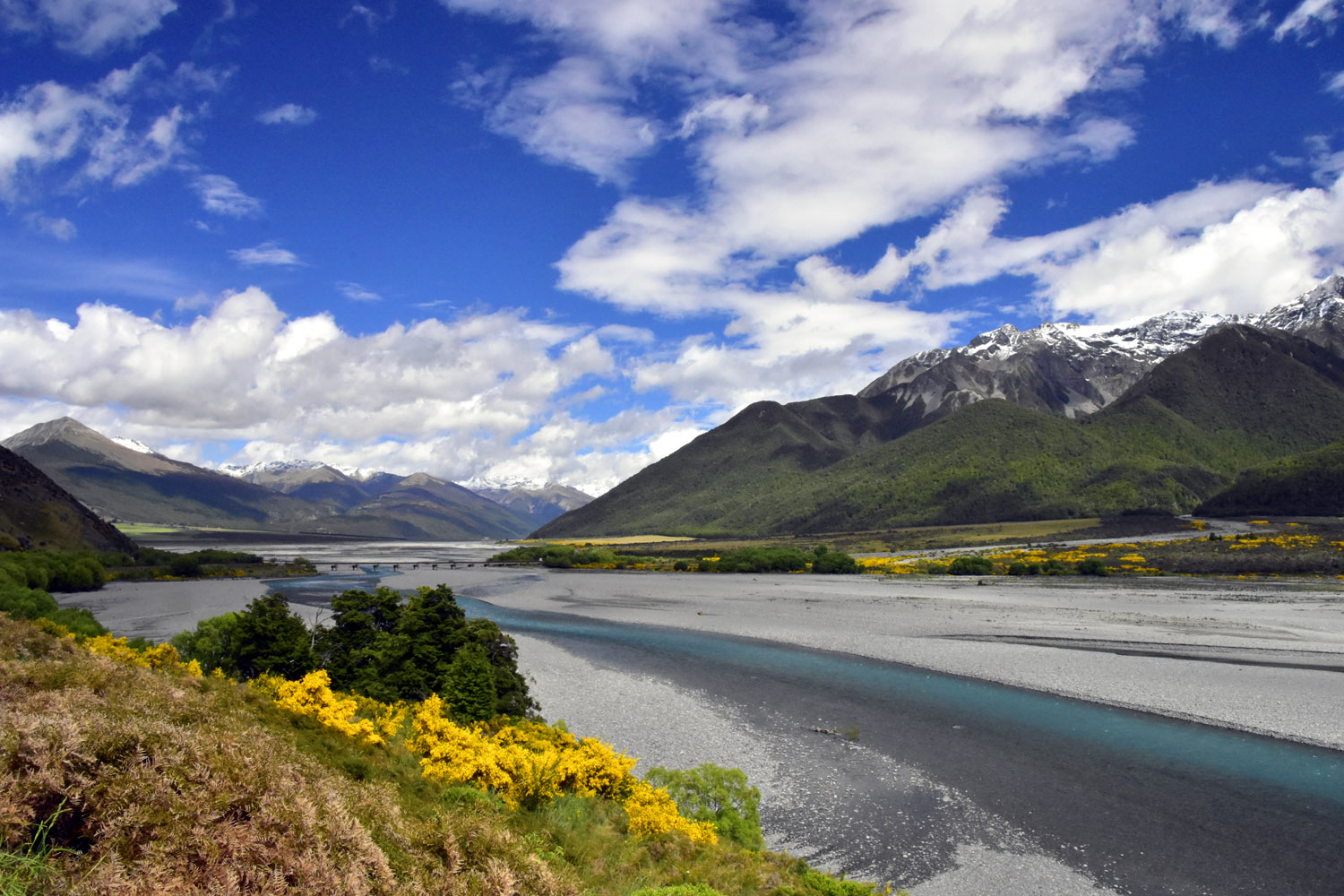 Driving across the Southern Alps
We finally arrived at the town of Franz Joseph close to the west coast in what is known as Glacier Country. The last photo below is Charlotte sitting outside our motel room with a view to die for – more on that later!
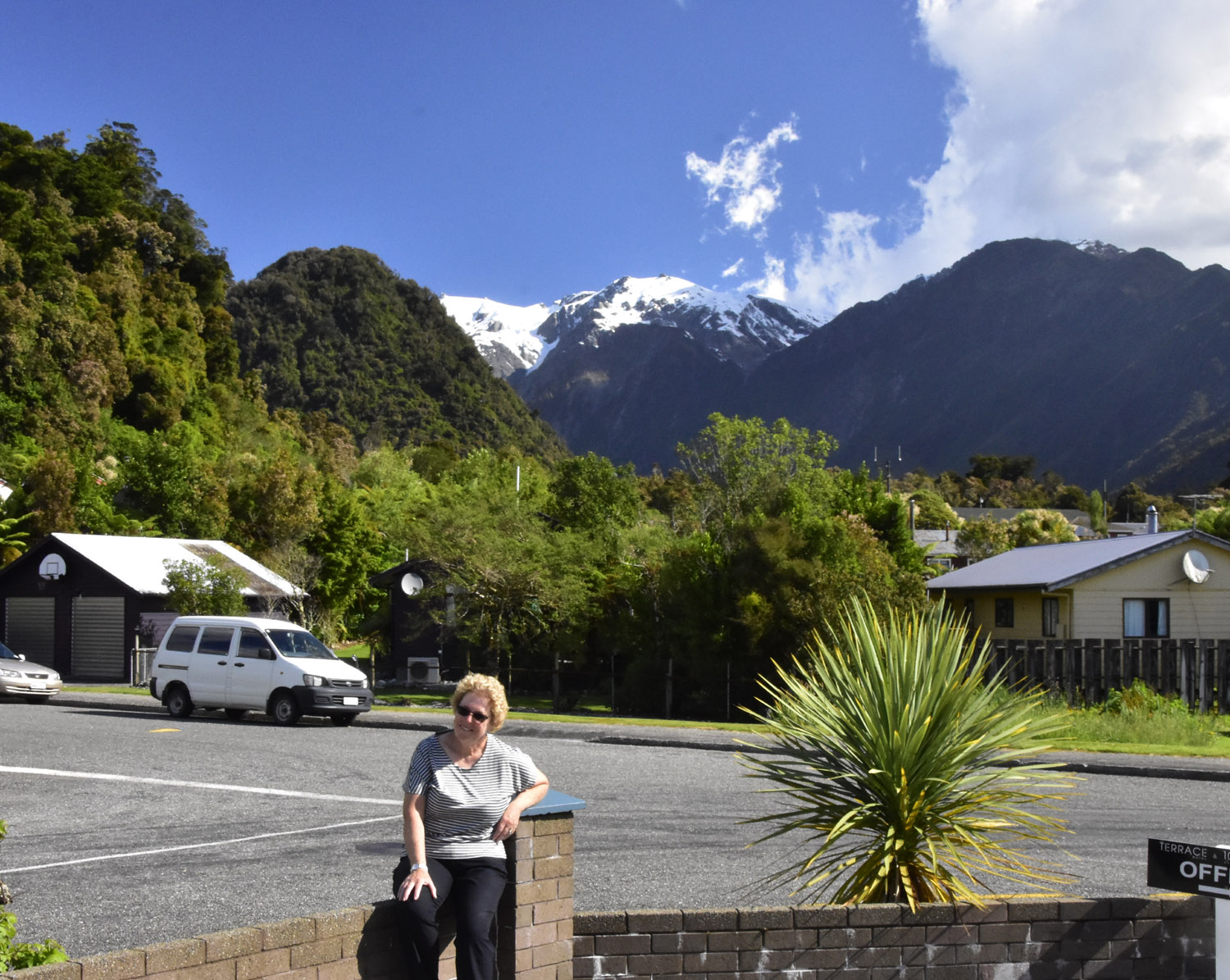 Charlotte outside our Motel in Franz Joseph
 Charlotte & Graham's Travels