We landed in Los Angeles mid-afternoon last Tuesday, picked up our hire car and headed north, right into the middle of the rush hour. We drove for over an hour in the middle of 5 lanes of traffic at an average speed of 5 mph. There were no roadworks or accidents and it was in both directions; incredible. It’s impossible to see where this will end up with America’s dependency on the automobile.
We eventually escaped Los Angeles, drove north up the Pacific coast and arrived at our first destination of Santa Barbara. Known as the American Riviera, the city of Santa Barbara has fabulous beaches with the Santa Ynez Mountains as a dramatic backdrop. Stearns Wharf, a 2,300 ft wooden pier dating from 1872, offers great views of the city and its coastline from the ocean.
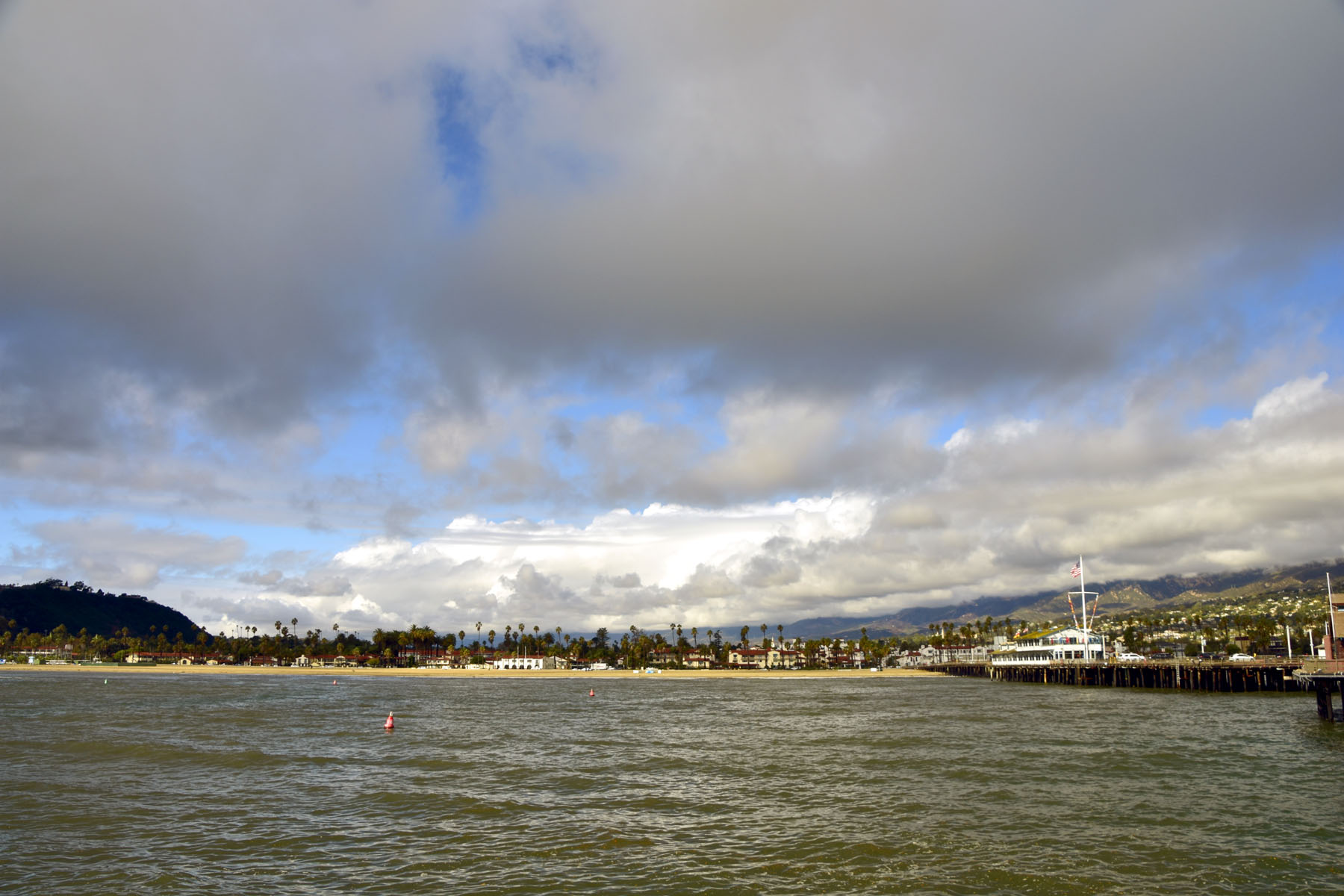 Santa Barbara – View of city from the end Stearns Wharf
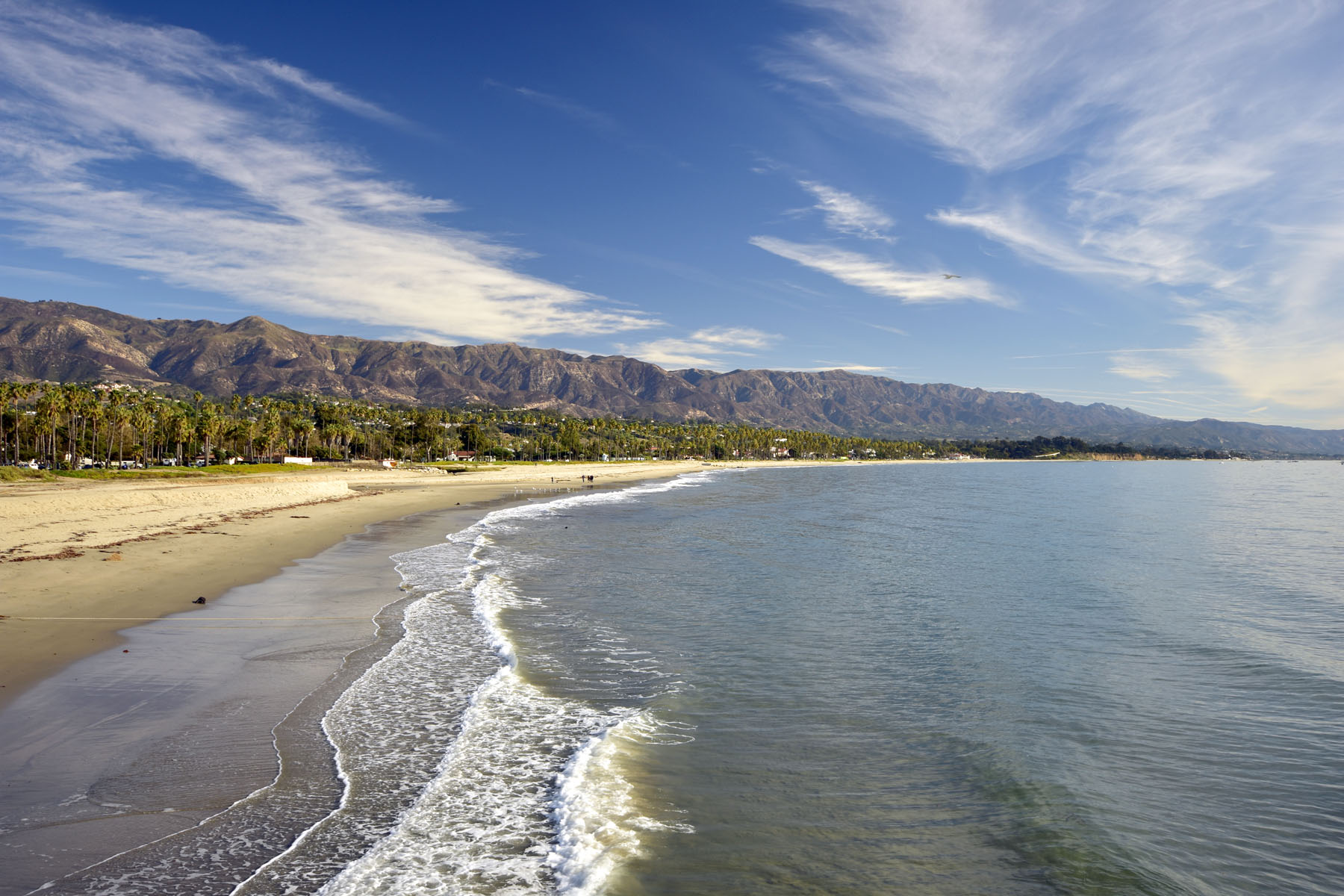 Santa Barbara – View of East Beach from Stearns Wharf
Downtown, Mediterranean-style white stucco buildings with red-tile roofs reflect the city’s Spanish colonial heritage, see City Hall below.
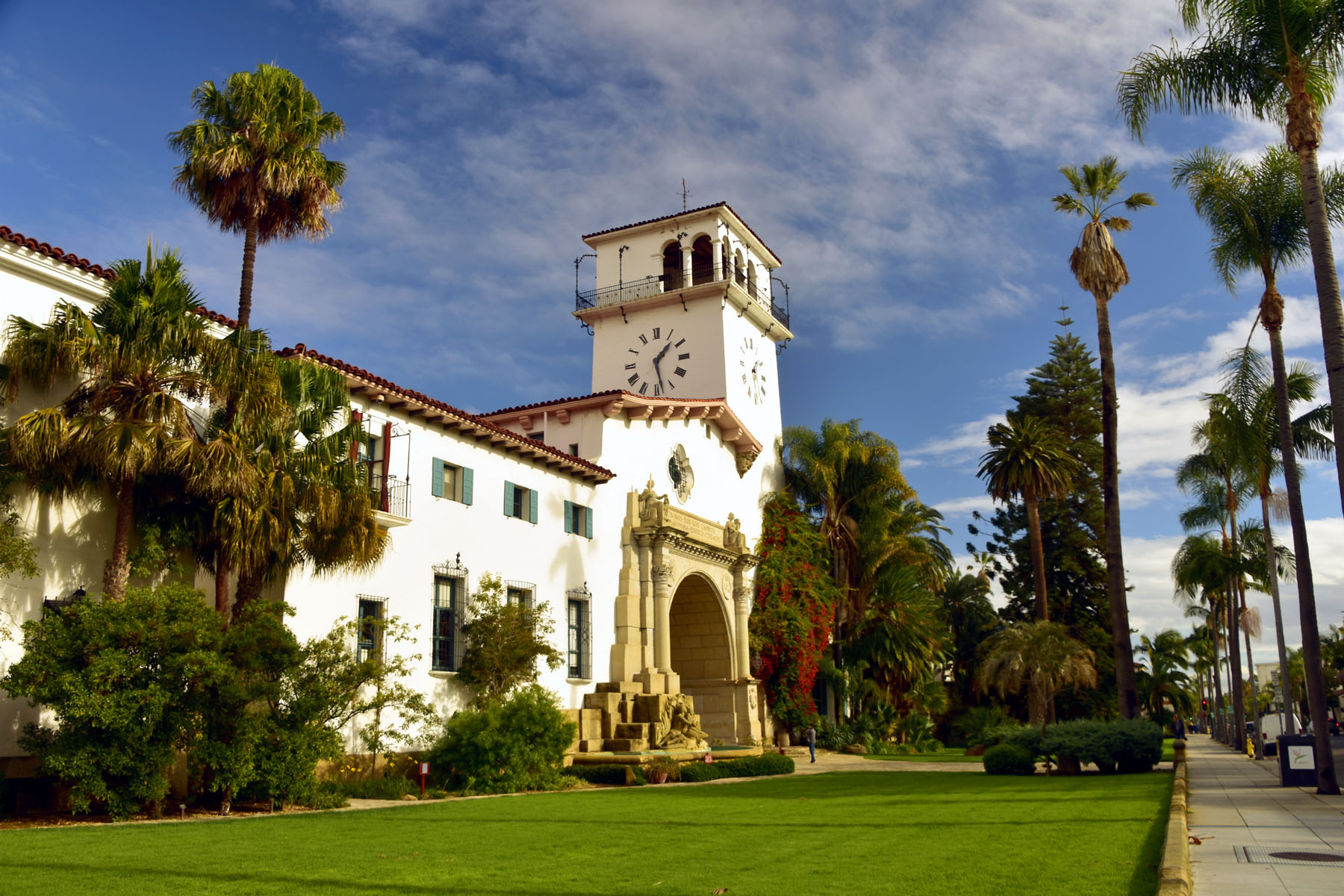 Santa Barbara – City Hall
The streets are lined with palm trees, which are illuminated at night as part of their festive decorations – very pretty. It was a very relaxing and enjoyable few days, particularly the evening walks along the beach with the beautiful Long-Billed Curlews feeding in the sand.
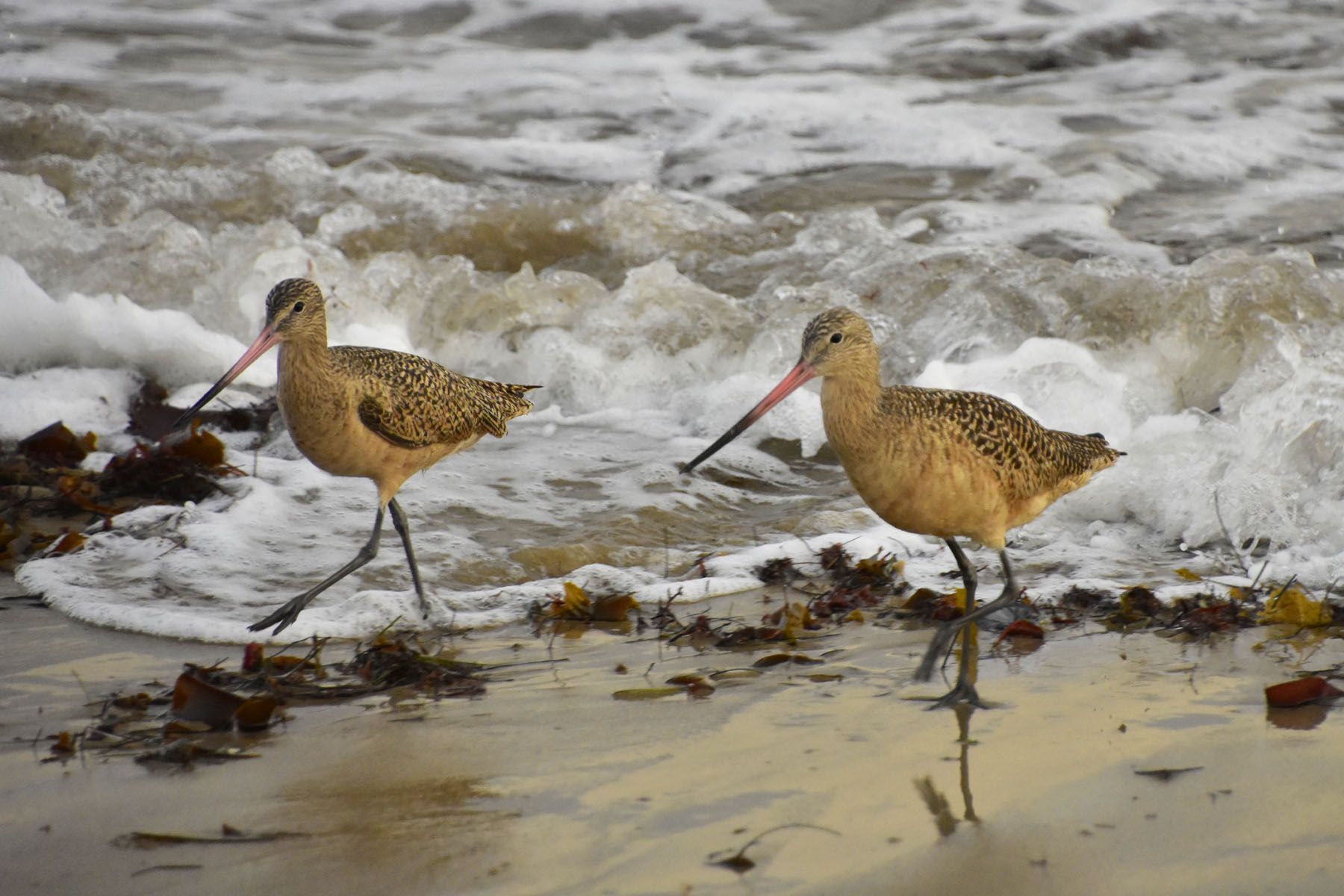 Santa Barbara – Long-Billed Curlews
We then drove north for the best part of a day along California Highway 1, one of the most stunning coastal drives in the USA. The combination of the early morning light and the weather produced some amazing eerie coastal landscapes.
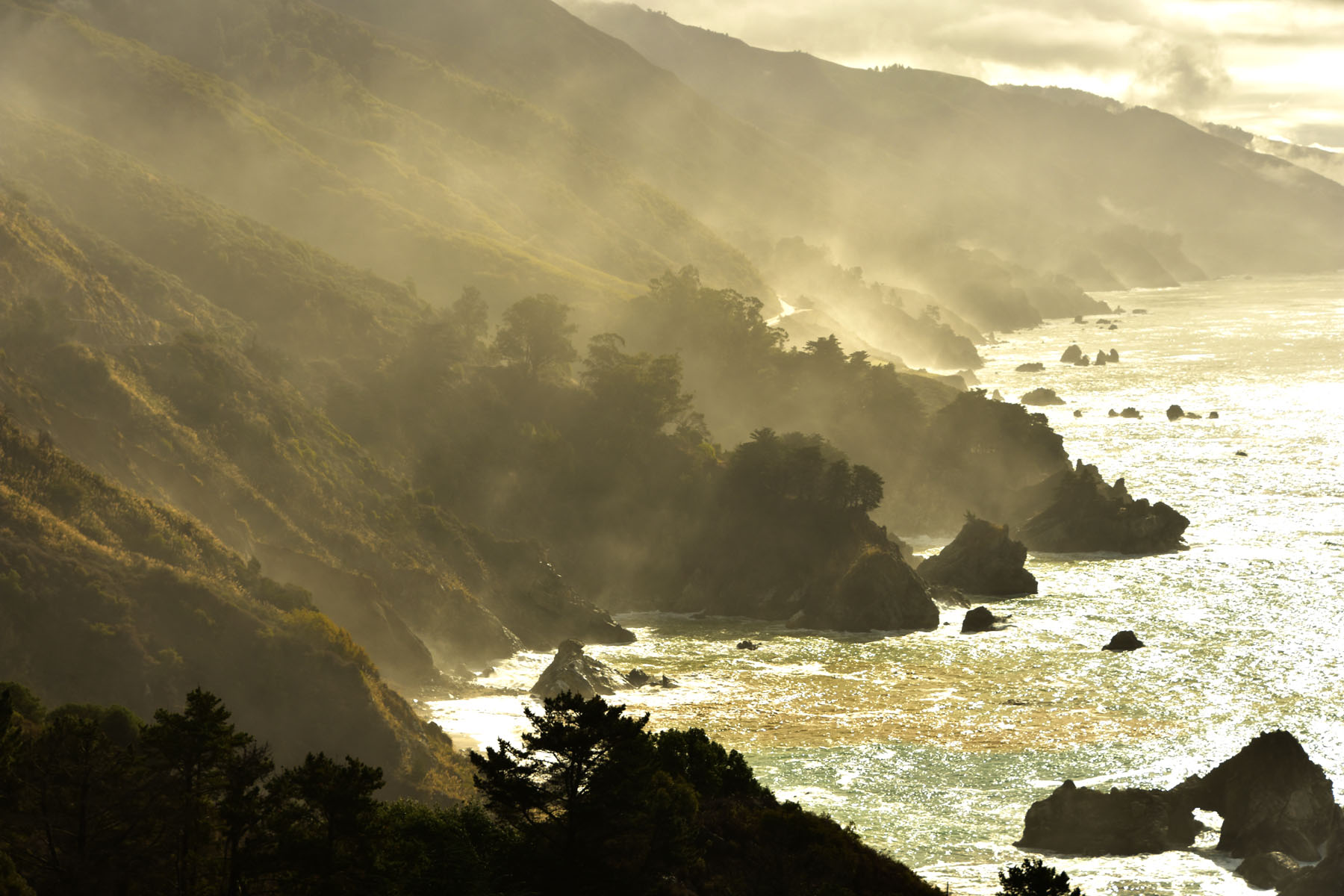 California Hwy 1 – Coastline in the early morning
Towards the end of our journey on Highway 1, we drove over Bixby Creek Bridge. This is one of the most photographed bridges in California due to its aesthetic design and magnificent setting. It was built by prisoners eager to earn ‘good time’ off their prison sentences and opened in 1932. It is one of the world’s highest single-span bridges at 714 feet long by 260 feet high.
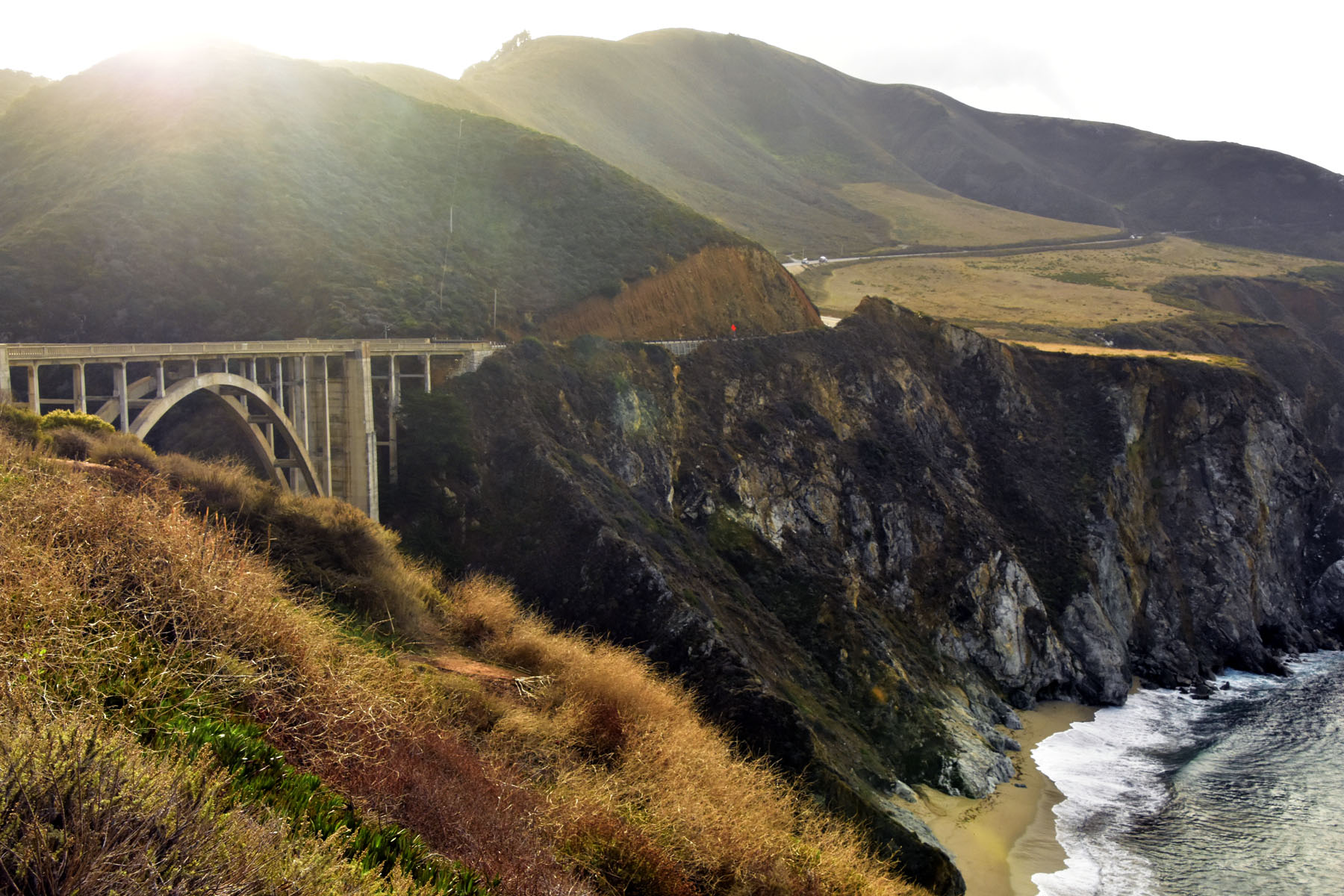 California Hwy 1 – Bixby Creek Bridge
We then arrived at Monterey, our destination for the next 4 days. The city lies on a peninsula at the southern end of Monterey Bay. It was once a leading fishing and whaling port, but its economic mainstay is now tourism and is famous for whale watching, its beaches and great climate, as well as the neighbouring towns of Pebble Beach and Carmel.
Monterey’s fishing heritage is being kept alive by the use of the old wharfs and canneries as waterfront attractions with shops and restaurants. The best known are Fisherman’s Wharf and Cannery Row.
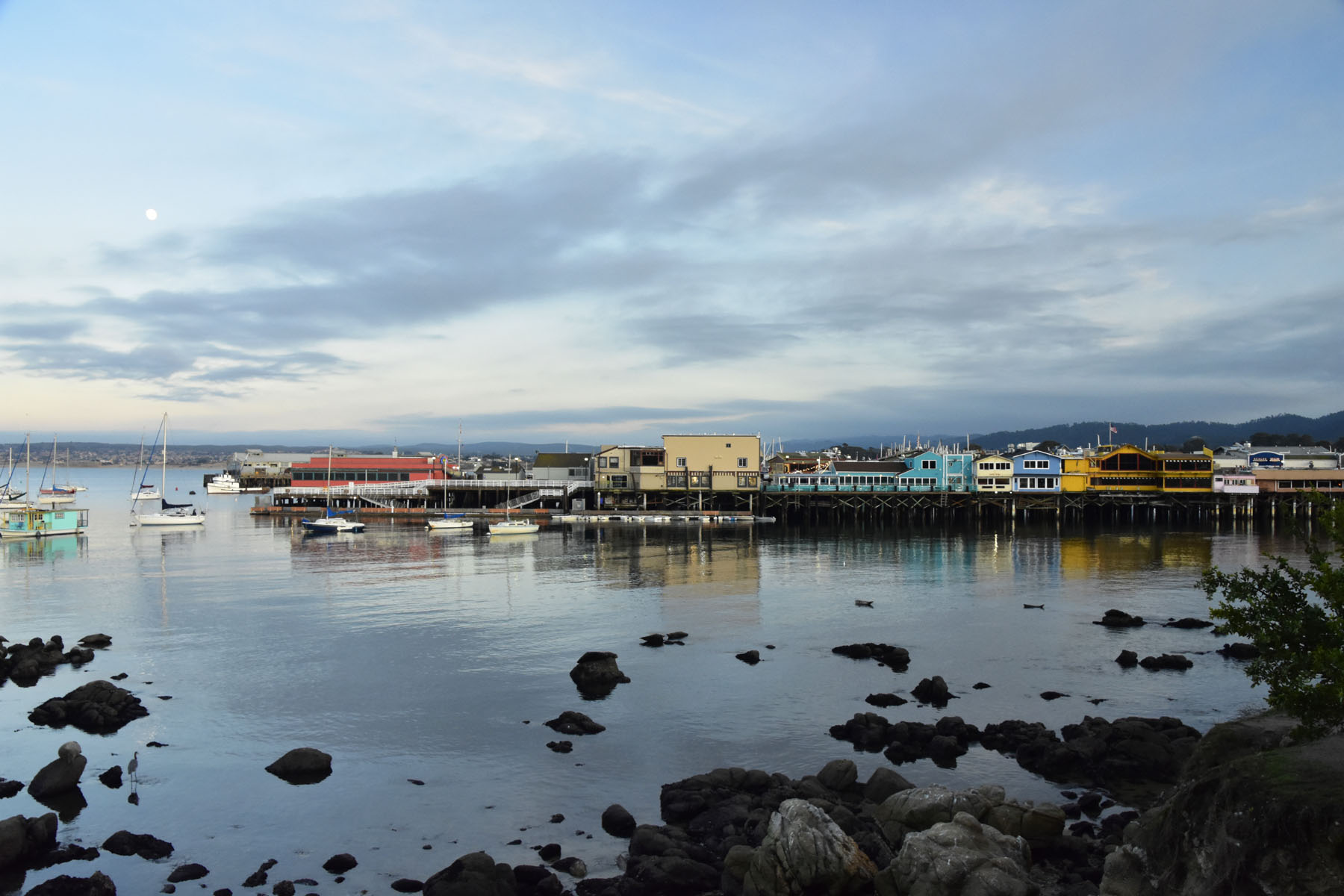 Monterey – Fisherman’s Wharf
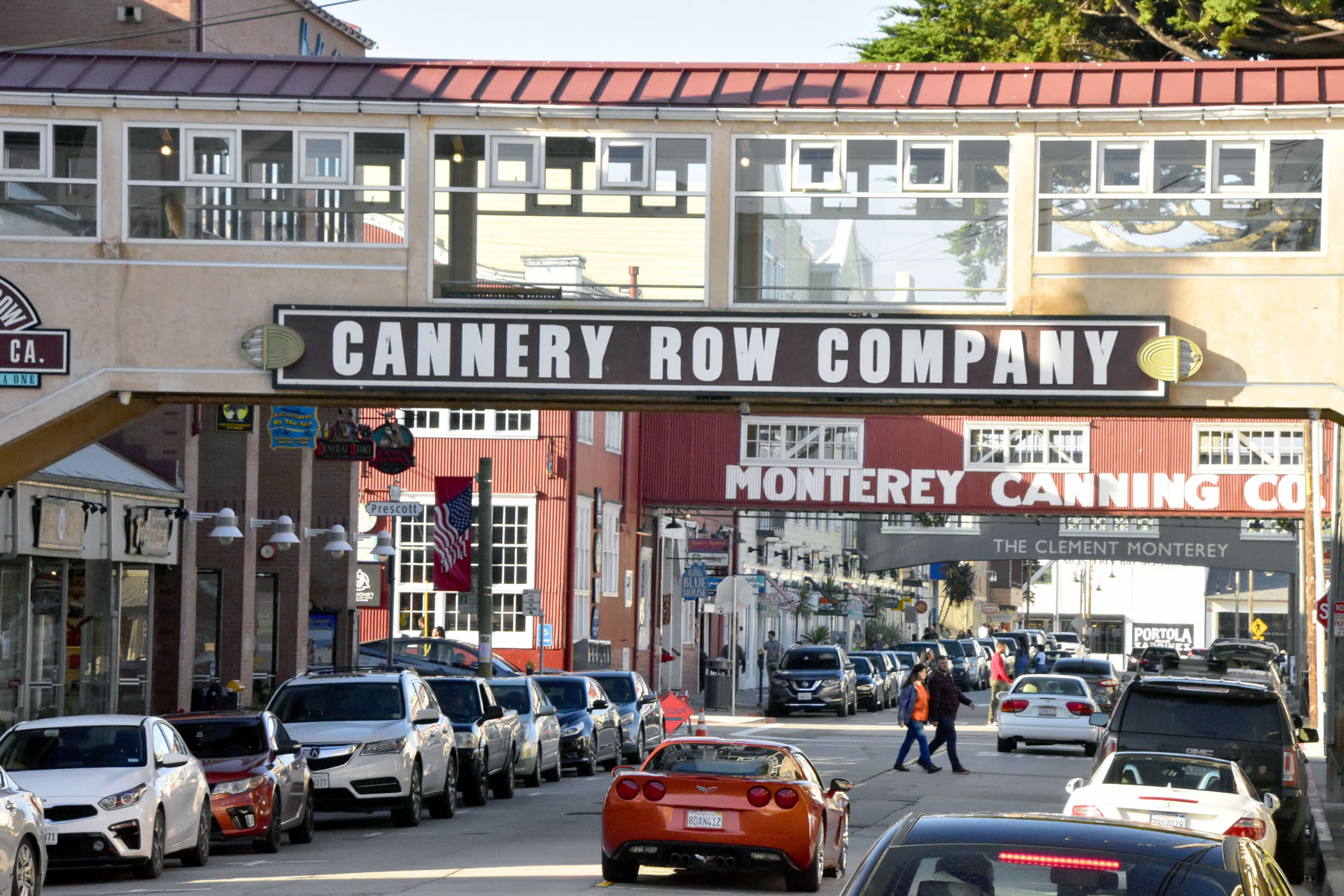 Monterey – Cannery Row
As well as great beaches, the Monterey Peninsula also has some beautiful, rugged coastline, which is accessible from a local State Park.
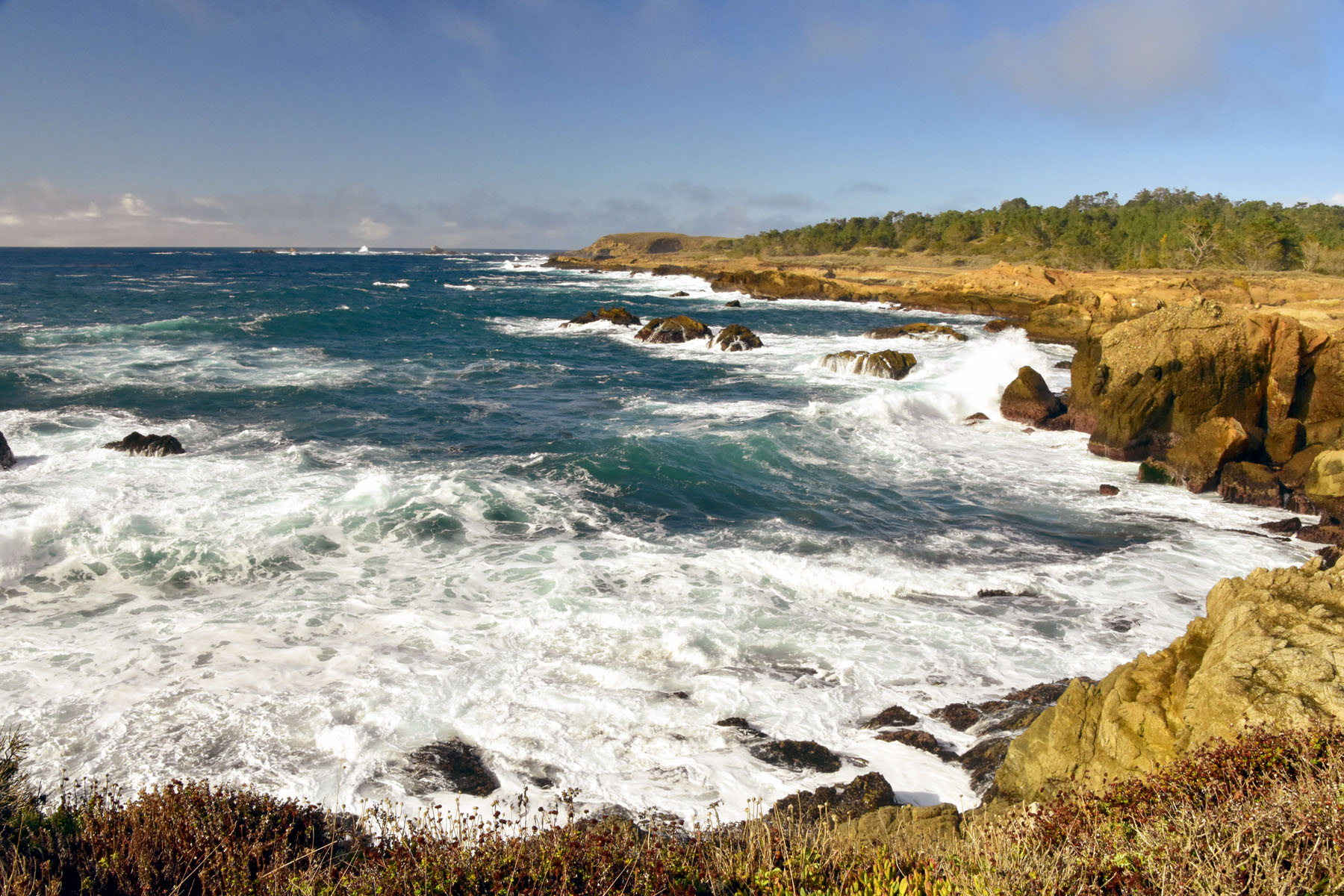 Monterey – Point Lobos State Natural Reserve
We of course had to take a whale watching cruise and were lucky to see a pod of Killer Whales and Mum and baby Humpback Whales. The majestic sight of the Humpback Whale’s tail as it dives to feed is something that we never tire of seeing.
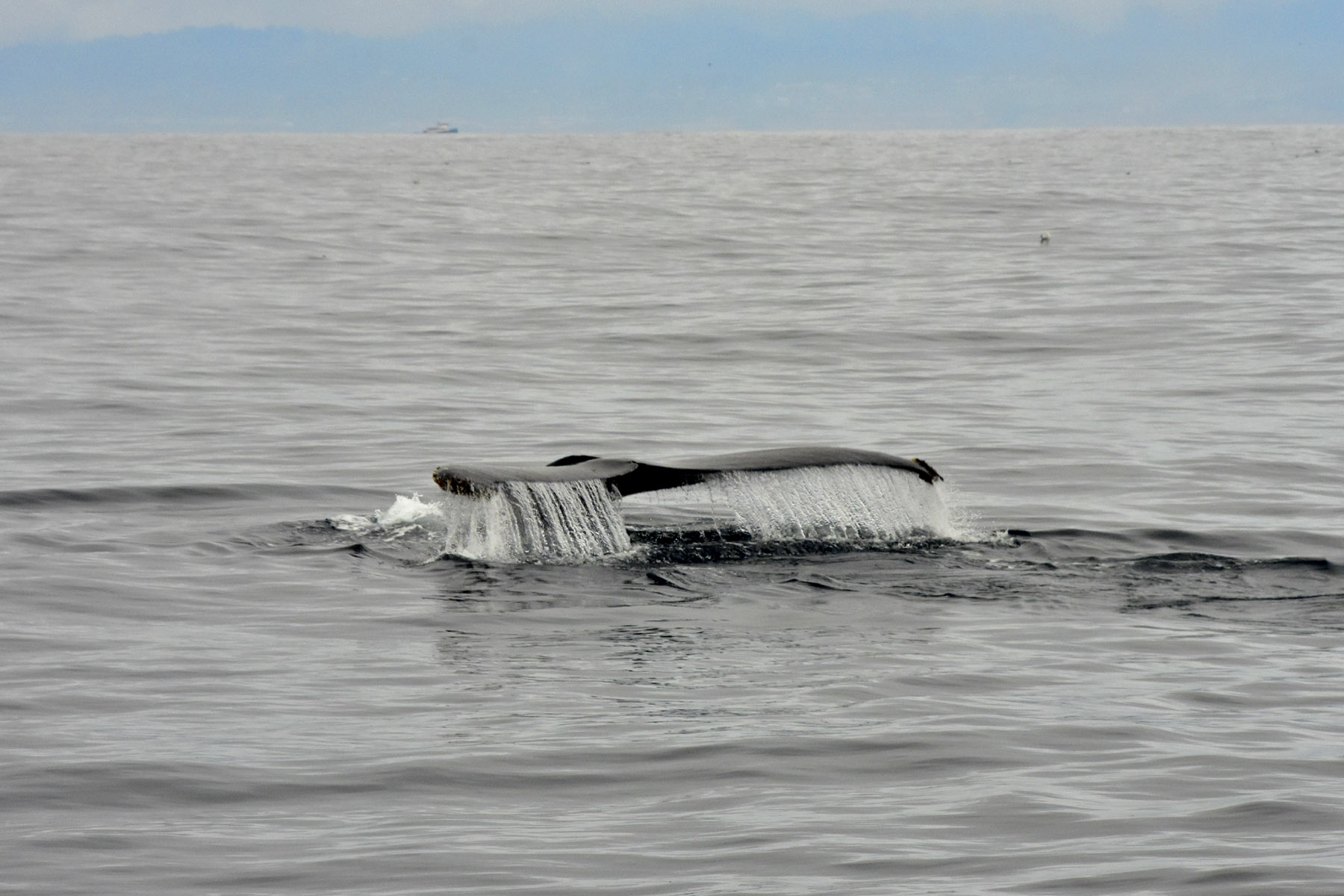 Monterey – Humpback Whale diving
We also found time to visit Pebble Beach and Carmel. Pebble Beach is famous for it’s many golf courses and exclusive properties – the best known course being Pebble Beach Golf Links, which hosted its 6th US Open in 2019. Most people know Carmel, because the former Mayor of the town from 30 years ago was Clint Eastwood!
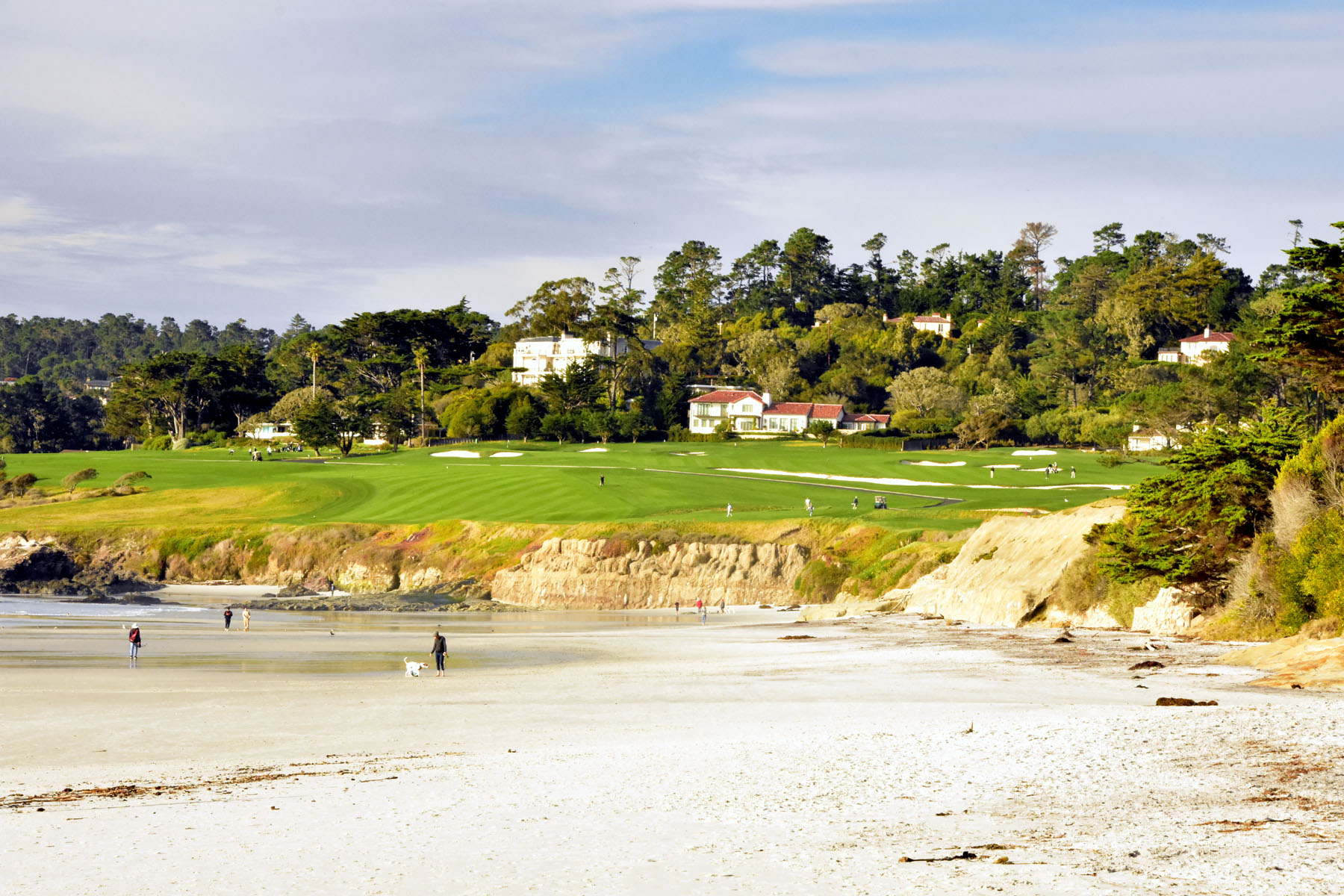 Monterey – Pebble Beach Golf Links as viewed from the beach at Carmel
The climate on the California coast in December has been very pleasant, with temperatures averaging 17-18 Deg C. Even though we were wearing T-shirts and/or light jumpers, some Californian’s thought this was very cold and were donning coats and even gloves!
Tomorrow we are heading East to Death Valley on the other side of the State, near the border with Nevada.
 Charlotte & Graham's Travels