South of Seattle and nestled between Puget Sound and Mt. Rainier, Tacoma is a bustling city known for its Pacific Northwest culture and art. It is the gateway for visiting two active volcanoes; Mount St. Helens and Mount Rainier. We were here for a short 5-day stay.
Mount St. Helens National Volcanic Monument
At 8:32 Sunday morning, May 18, 1980, Mount St. Helens erupted, shaken by an earthquake measuring 5.1 on the Richter scale, the north face of this tall symmetrical mountain collapsed in a massive rock debris avalanche. In a few moments this slab of rock and ice slammed into Spirit Lake, crossed a ridge 1,300 feet high, and roared 14 miles down the Toutle River.
The avalanche rapidly released pressurised gases within the volcano. A tremendous lateral explosion ripped through the avalanche and developed into a turbulent, stone-filled wind that swept over ridges and toppled trees. Nearly 150 square miles of forest was blown over or left dead and standing.
At the same time a mushroom-shaped column of ash rose thousands of feet skyward and drifted downwind, turning day into night as dark, grey ash fell over eastern Washington and beyond. Wet, cement-like slurries of rock and mud scoured all sides of the volcano. Searing flows of pumice poured from the crater. The eruption lasted 9 hours, but Mount St. Helens and the surrounding landscape were dramatically changed within moments.
A vast, grey landscape lay where once the forested slopes of Mount St. Helens grew. In 1982 the President and Congress created the 110,000-acre National Volcanic Monument for research, recreation and education. Inside the Monument, the environment is left to respond naturally to the disturbance.
The summit elevation is now 8,363 feet; before the eruption it was 9,677 feet.
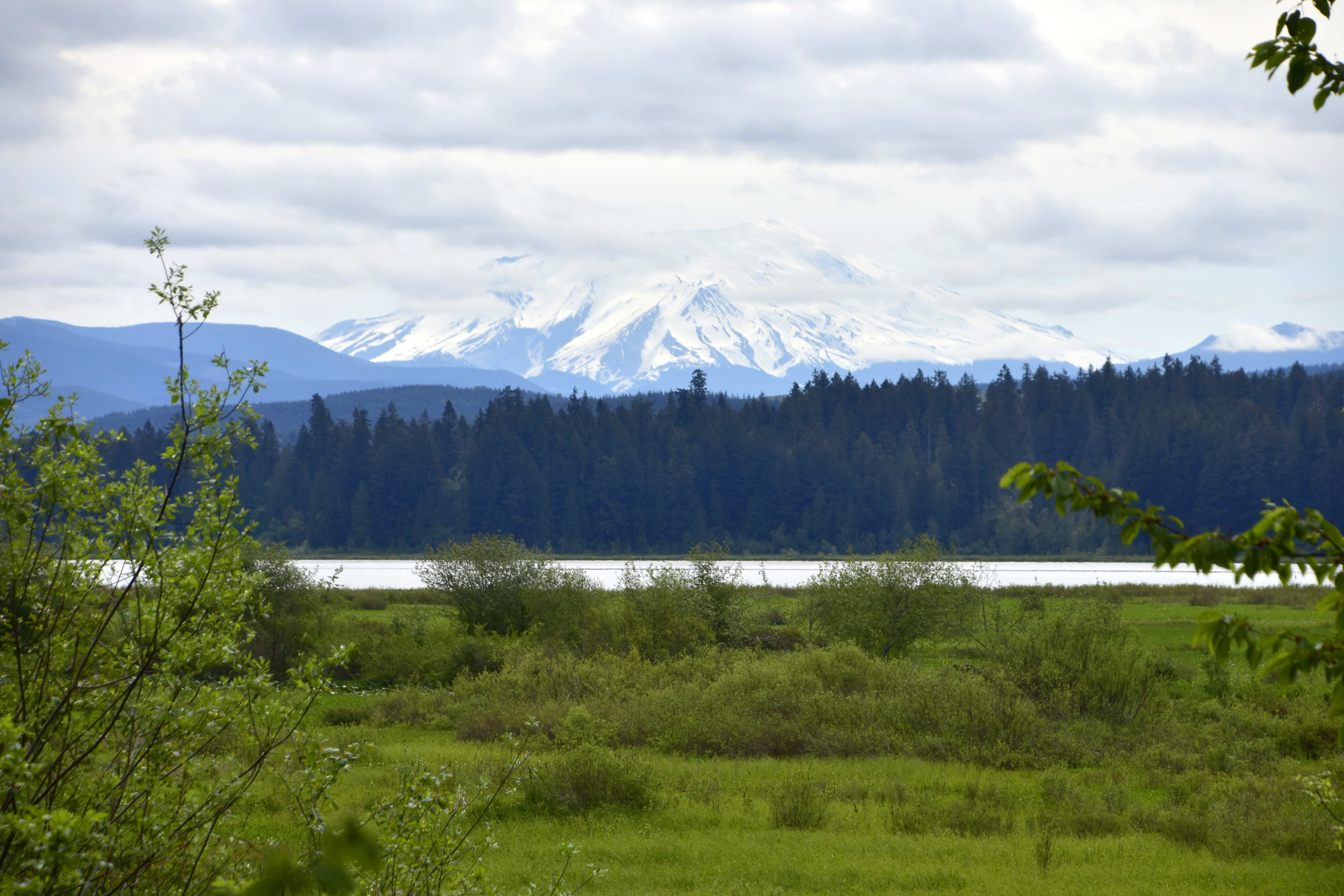 About 50 miles from the base of the volcano, Mt. St. Helens, viewed across Silver Lake, looks like an ordinary mountain with some cloud sitting on its peak.
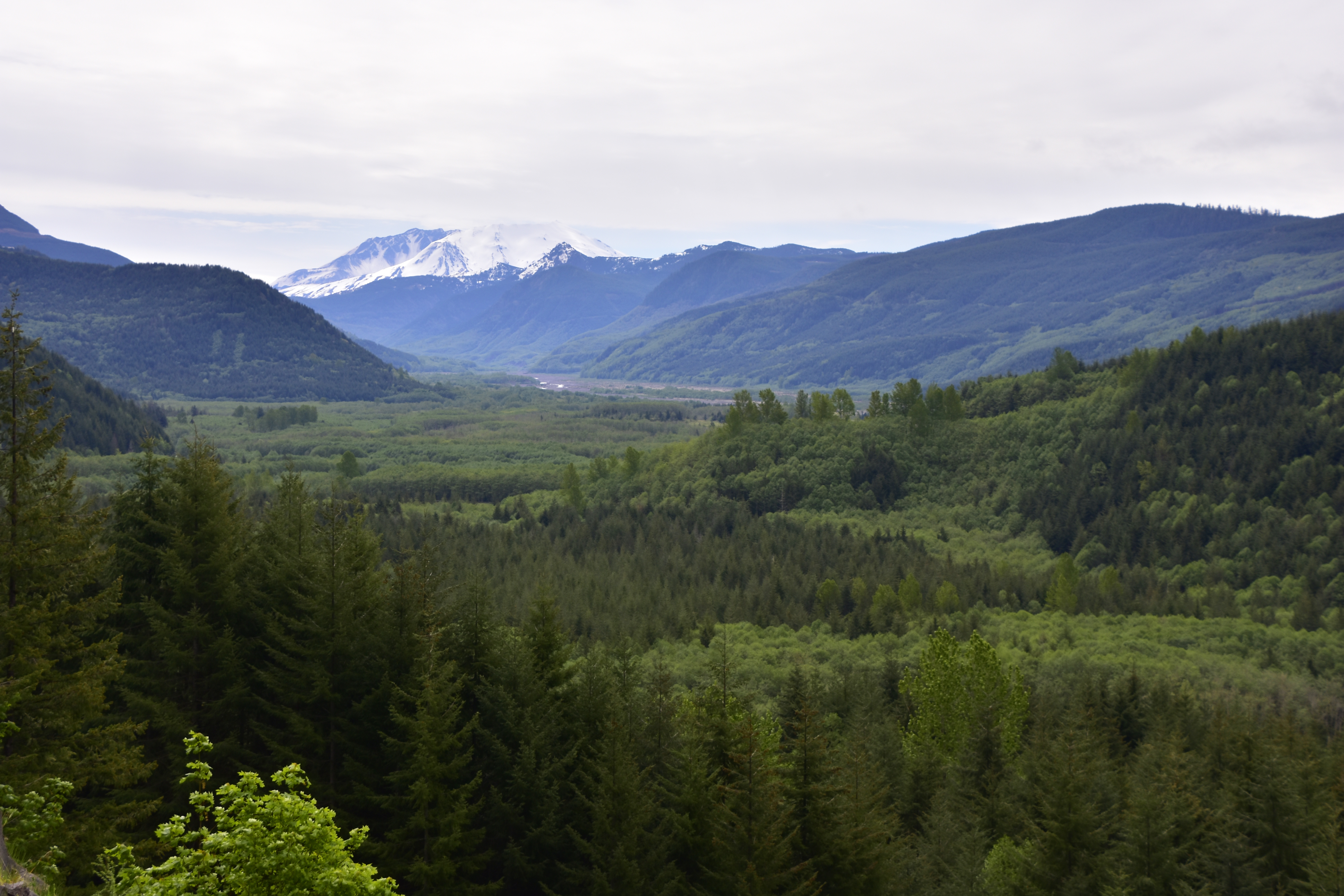 Fifteen miles down the valley from Mt. St. Helens marks the edge of the debris flow from the 1980 landslide that removed the north flank of the volcano, which can now clearly be seen.
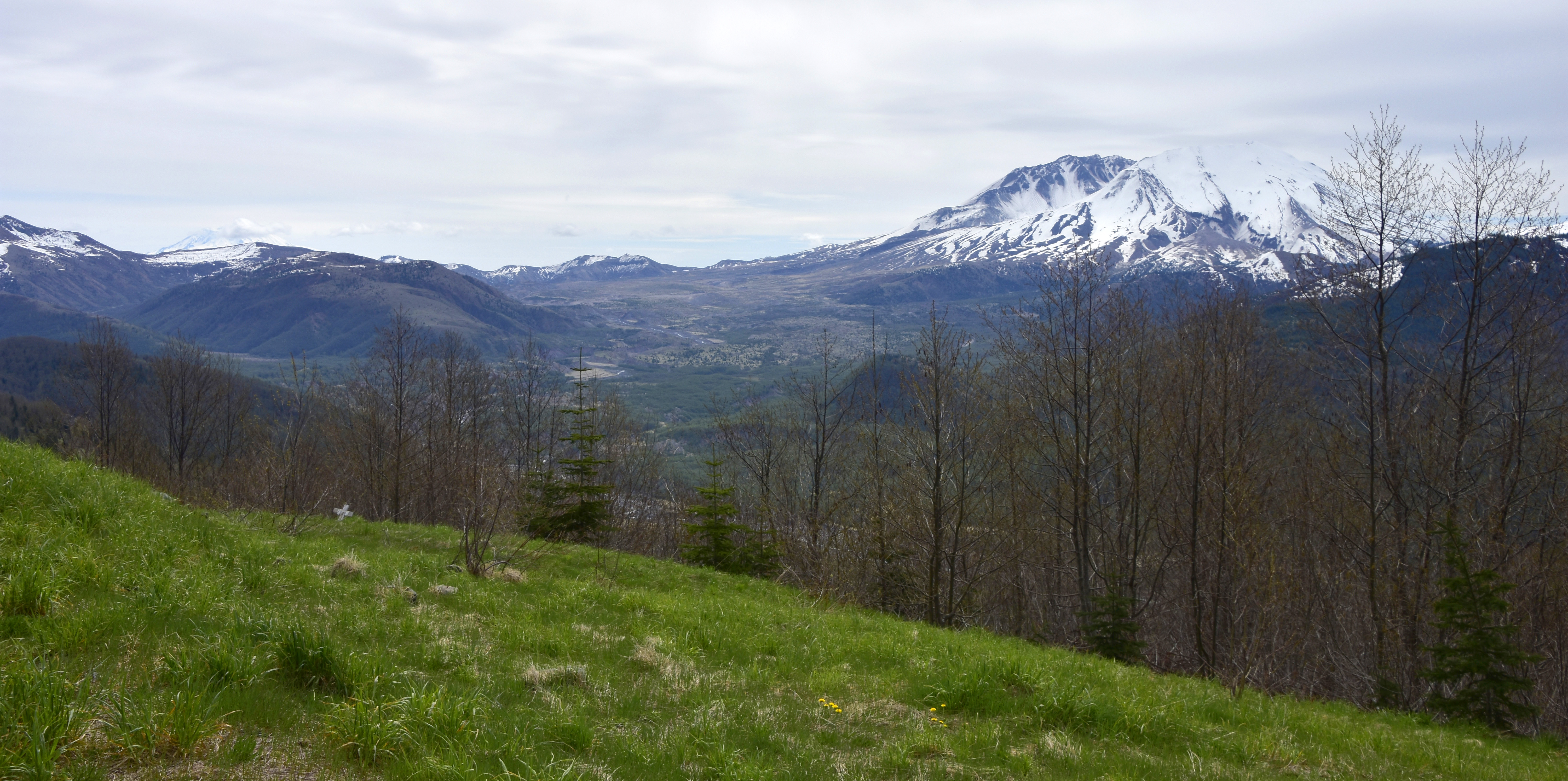 Elk Rock Viewpoint – This marks the entrance to the Monument. The view shows the trees felled by the power of the eruption as well as magnificent views of the 12,281 ft. Mount Adams (just visible on far the left with a cloud covered summit). Mt Adams and Mt St. Helens are both part of the Southern Cascades Mountain Range.
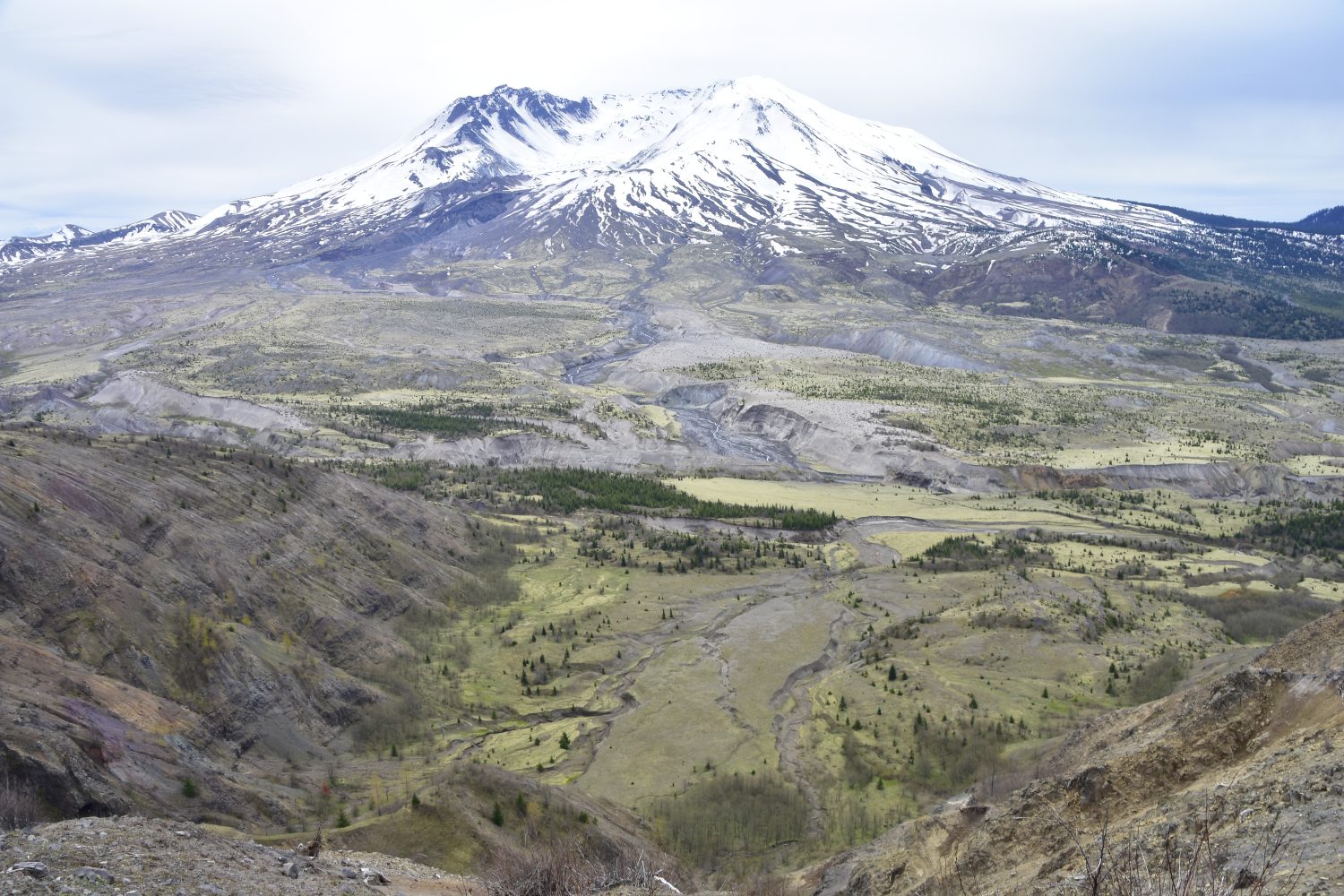 Johnston Ridge – At just 5 miles away from the volcano, the effect on the habitat from the lava flows, volcanic ash and the blast of the eruption can clearly be seen. It is a fascinating and surreal landscape.
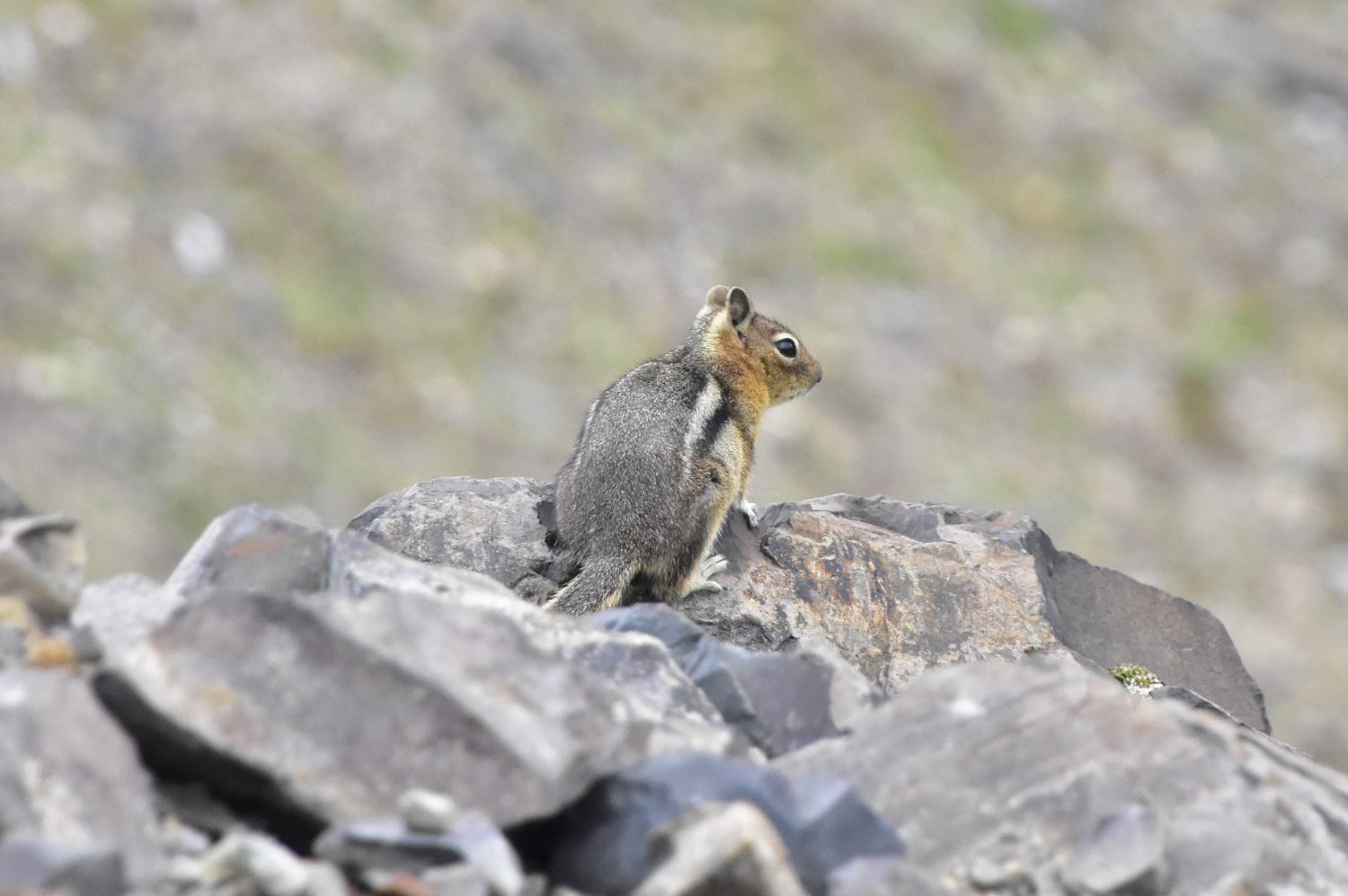 When we visited this wonderful Monument, we were one of a very few humans there, however, there was the odd animal taking in the view as well, including this chipmunk!
Mount Rainier National Park
Ascending to 14,410 feet above sea level, Mount Rainier stands as an icon in the Washington landscape and is at the centre of the nation’s fifth National Park. Mount Rainier is the tallest volcano in the Cascade Mountain range and the most glaciated peak in the contiguous USA, spawning five major rivers. On the summit steam escapes from deep within the mountain’s core; a reminder that it is still an active Volcano. This contributes to the micro-climate at its peak that often sees the top of the mountain shrouded in cloud. Two million people from around the world visit Mount Rainier National Park each year.
One never knows if the weather will play ball on the day that you visit these wonderful places, but we are always reminded of the mural painted on the wall in downtown Sumner, a town just outside Tacoma:
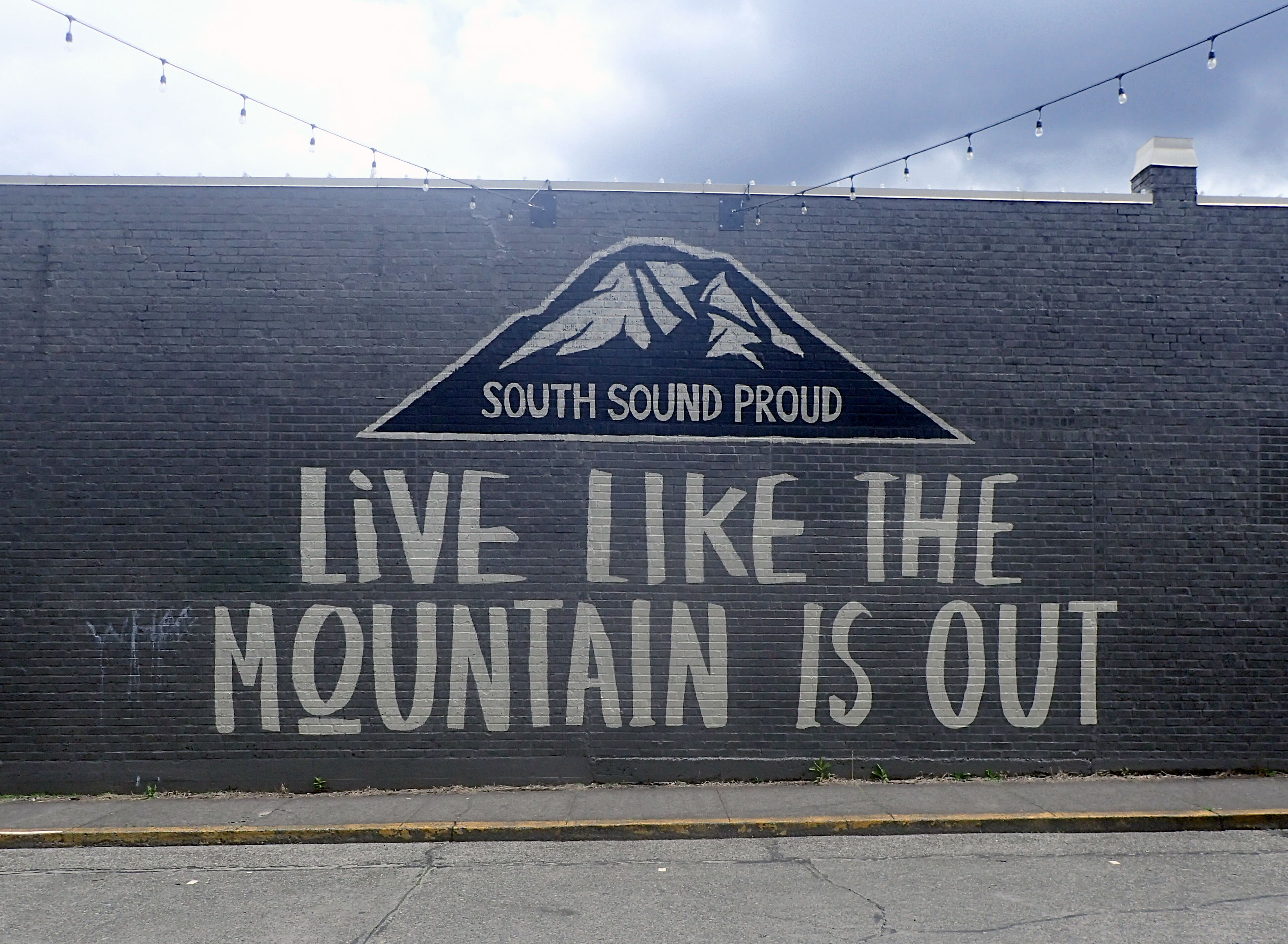 Live Like the Mountain is Out – You can’t live by weather forecasts, as around this part of the world they are notoriously unreliable.
Here are some pictures from our tour around Mount Rainier National Park.
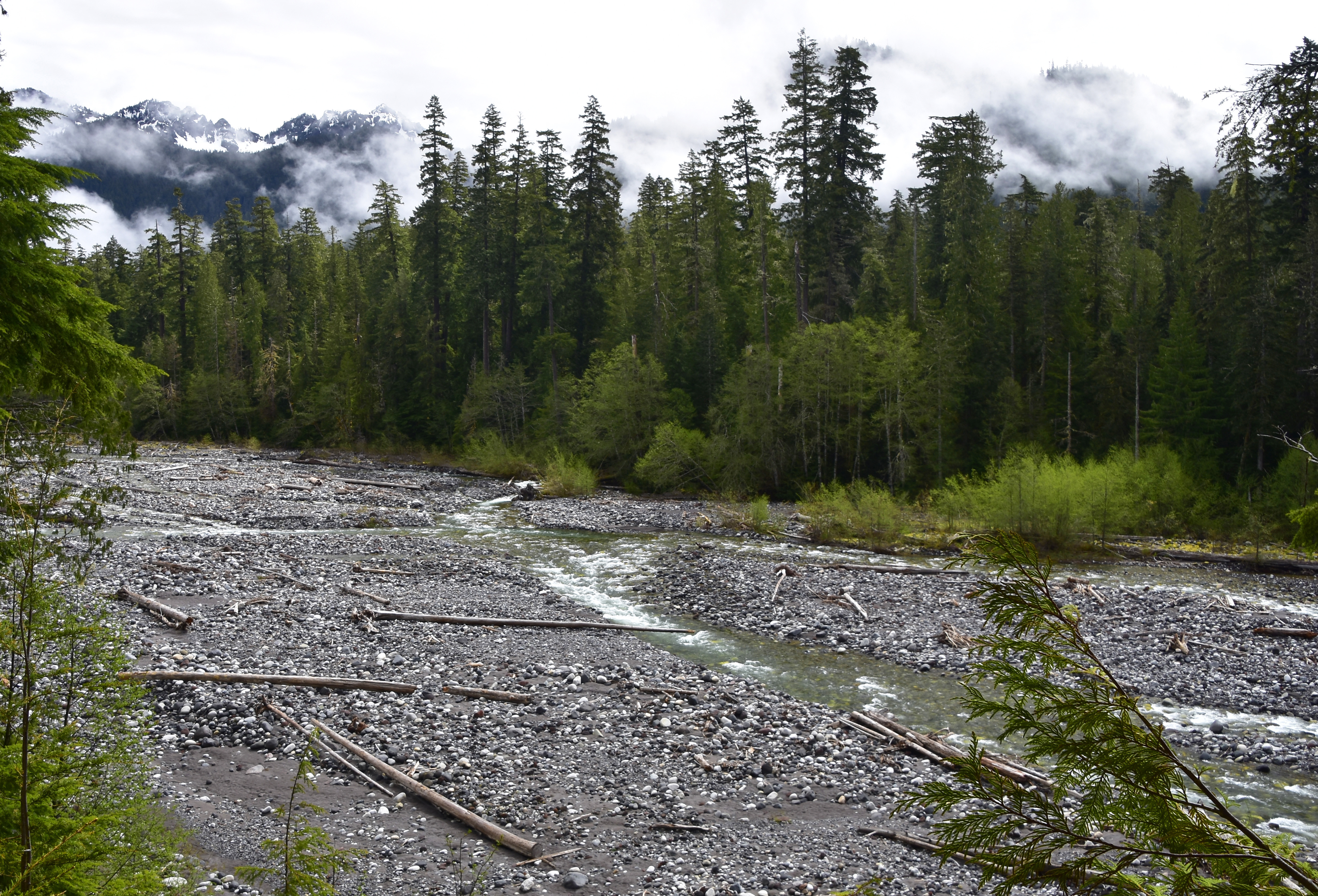 Early morning in the Nisqually River valley with low cloud shrouding the Cascade Mountains.
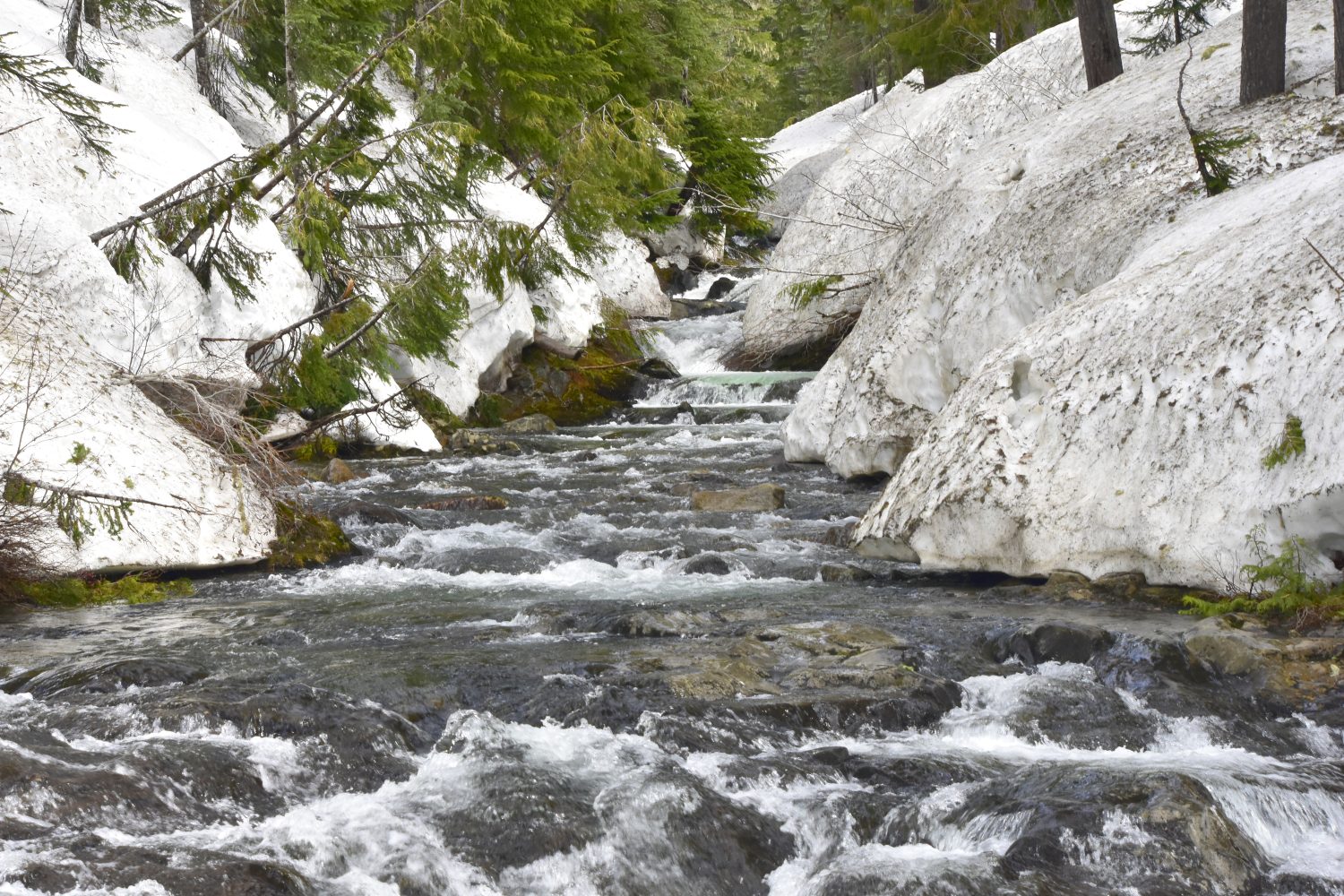 Paradise River before it tumbles down Narada Falls.
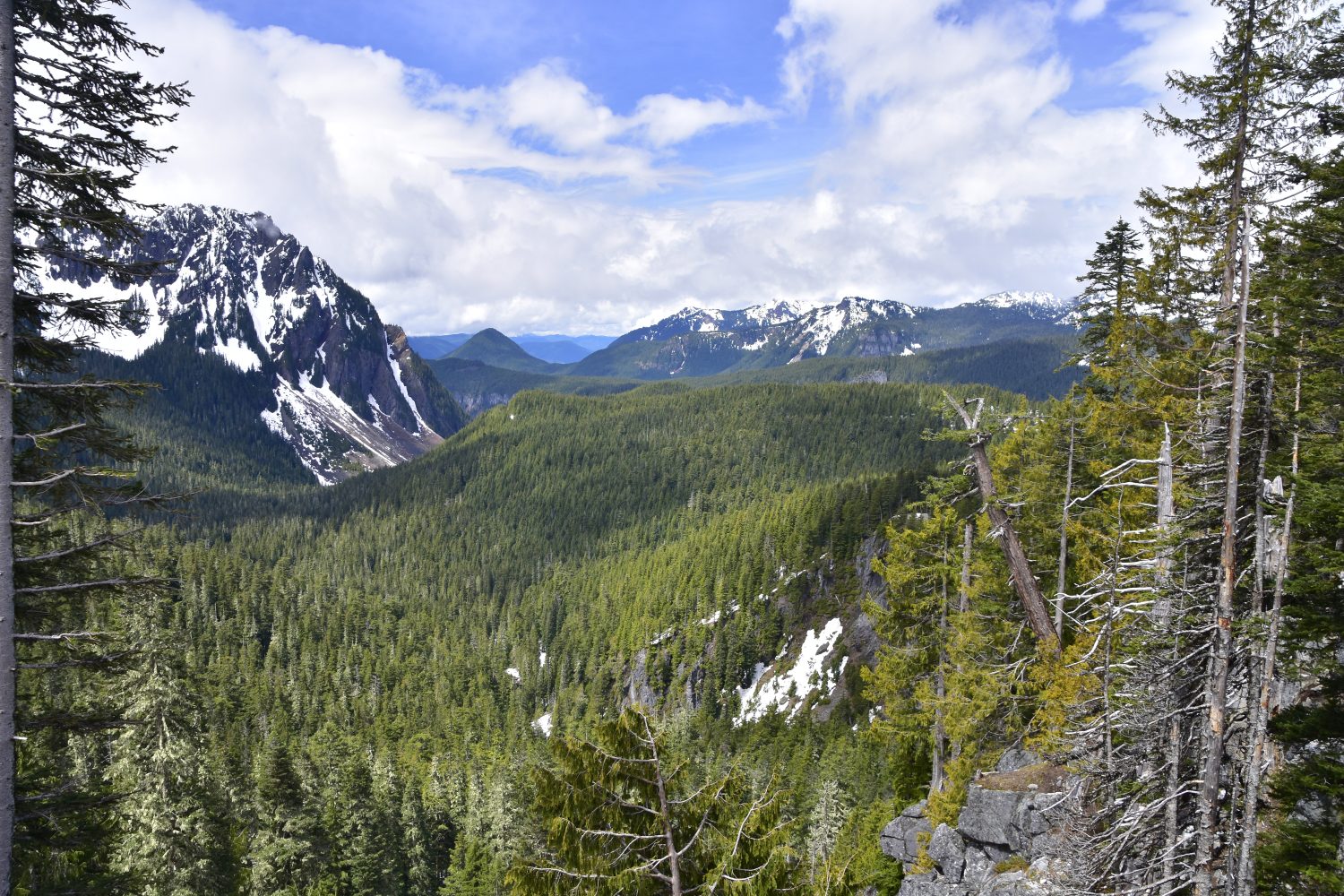 The clouds lift to reveal the majesty of the Cascade Mountains.
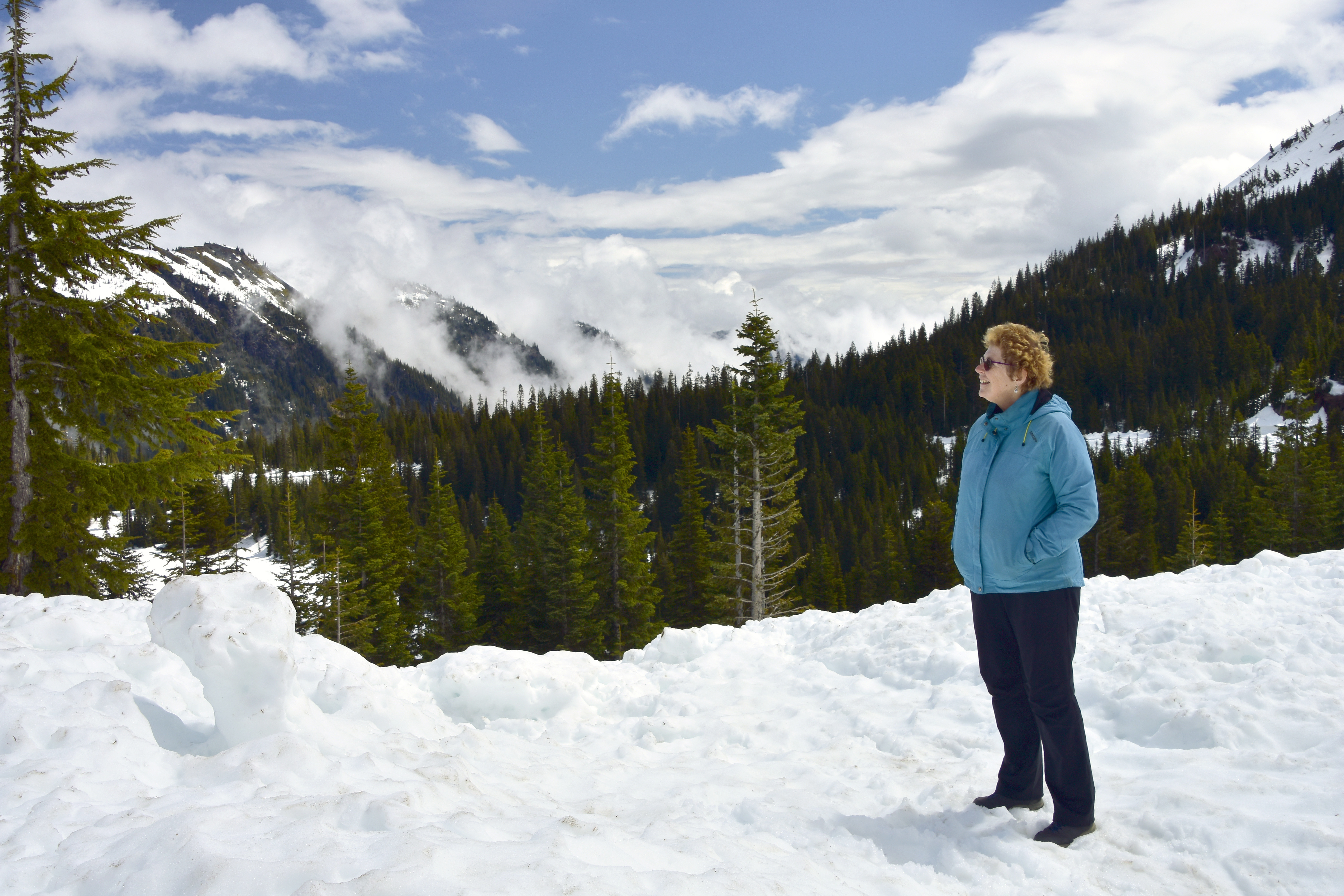 At about 5,000 ft., Charlotte is enjoying the snow and the view!
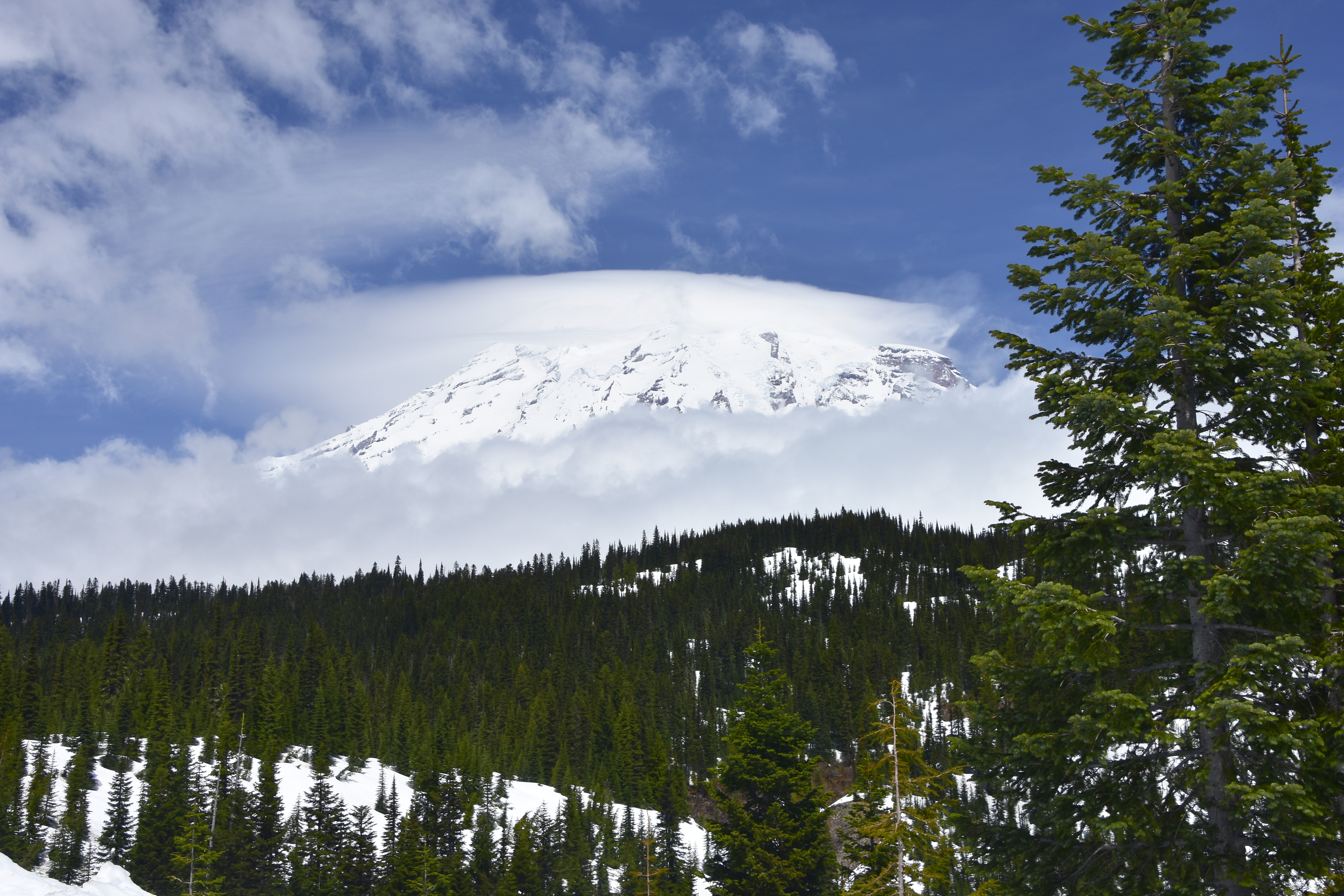 Mt. Rainier finally starts to reveal itself from within its micro-climate.
The rest of the time in Tacoma was spent visiting some local state parks and on a rainy day a couple of Museums in the city.
Flaming Geyser State Park
With a name like this, who couldn’t resist a visit? We knew this was not going to be a hidden Yellowstone National Park, so our expectations were not high!
The Flaming Geyser State Park is located on the Green River near the city of Black Diamond, one of the main coal mining areas in Washington. The park was named after a flame which burned through a basin, fuelled by a methane gas pocket 1,000 feet below the surface. The pocket was discovered by prospective coal miners in the early 1900s, when drilling a test hole. The same methane pocket seeps gas through a mud hole to create the ‘Bubbling Geyser’ nearby. As of 2016 the flaming geyser was no longer lit due to depletion of its methane source.
We walked a trail that follows the shoreline on the Green River.
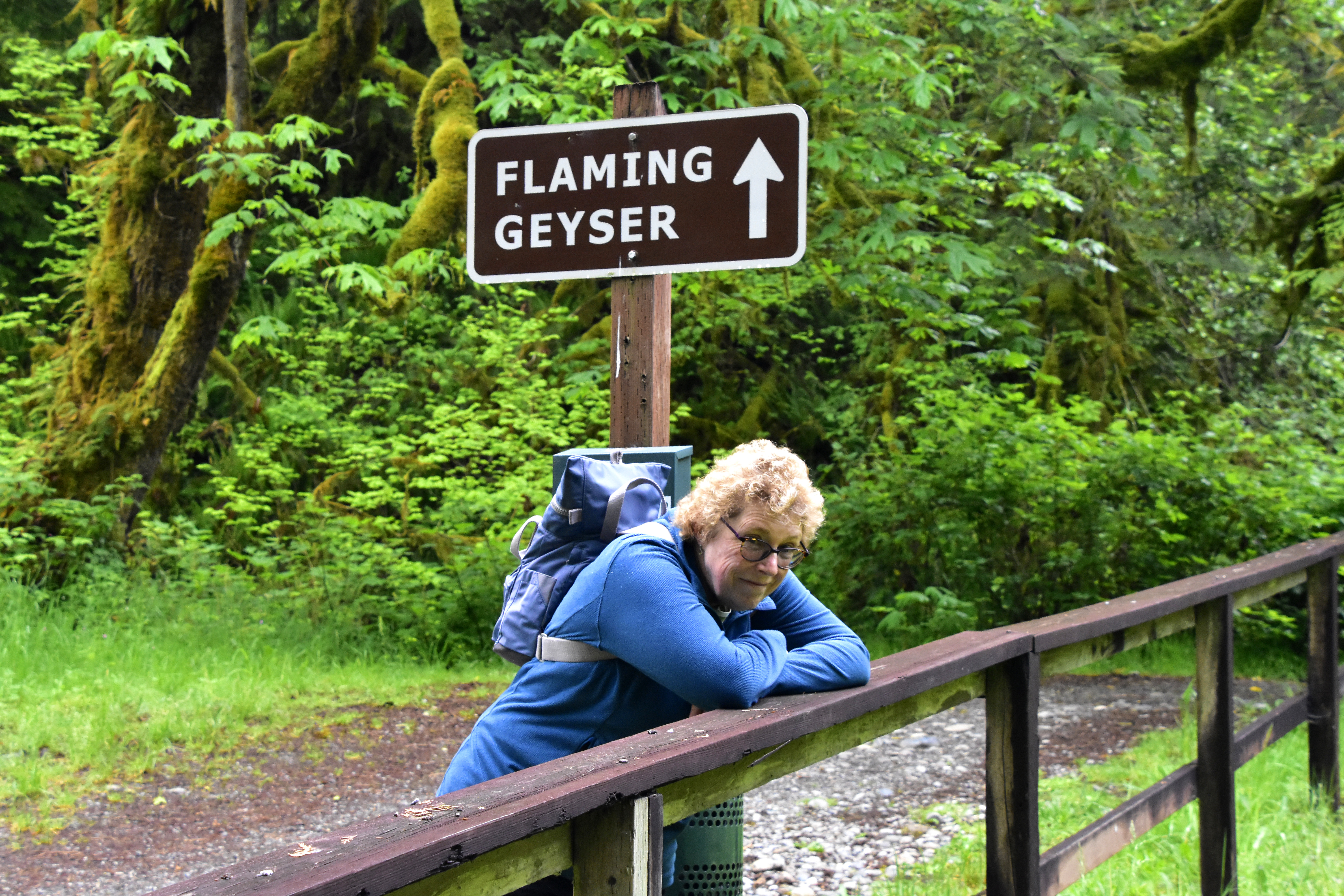 Charlotte is disappointed after visiting the flaming geyser that is no longer flaming – expectations met!
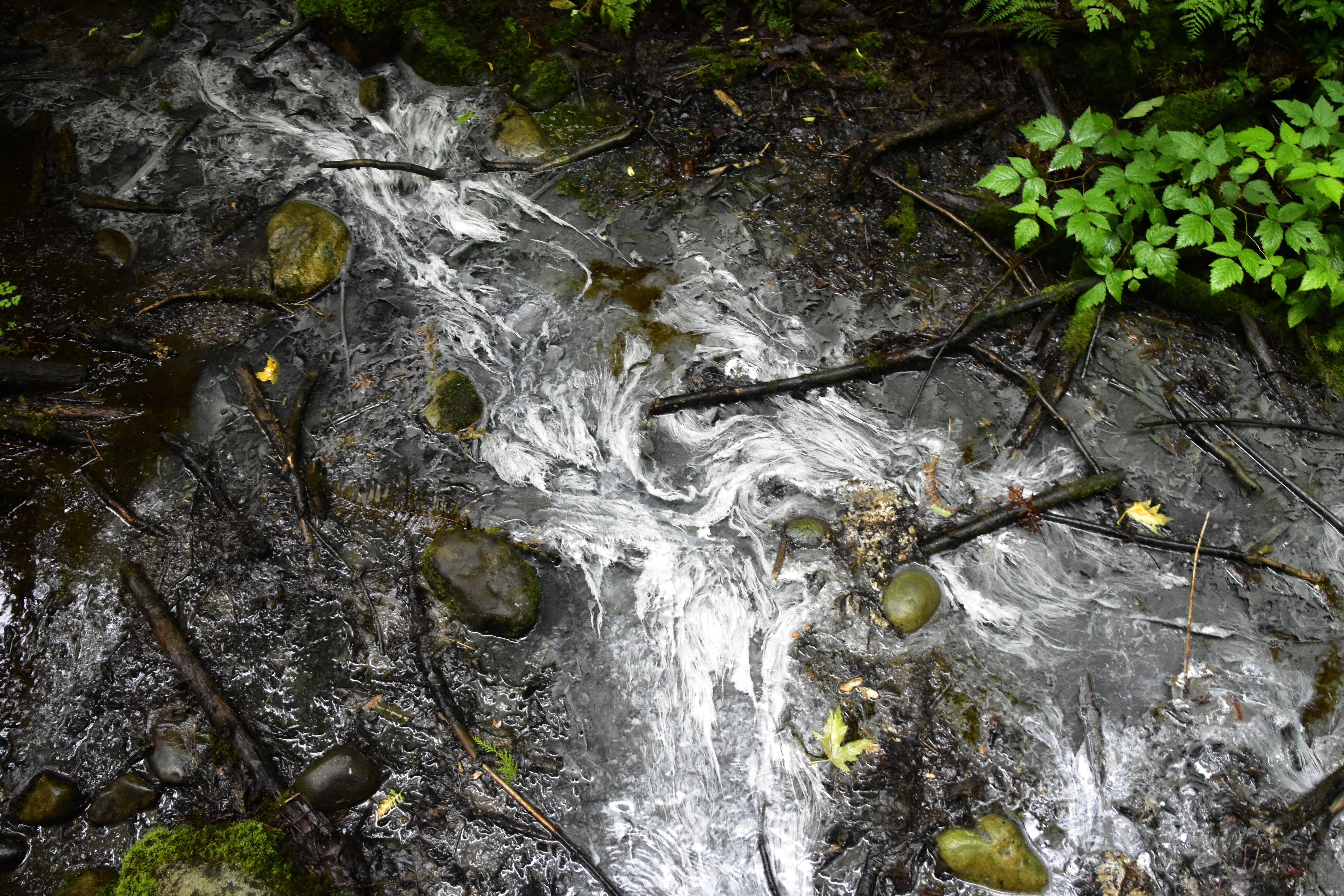 Bubbling Geyser – The methane is broken down by microbes in the surrounding area, which then reacts with Calcium found in the water to produce Calcium Carbonate. This settles on the water as a grey residue.
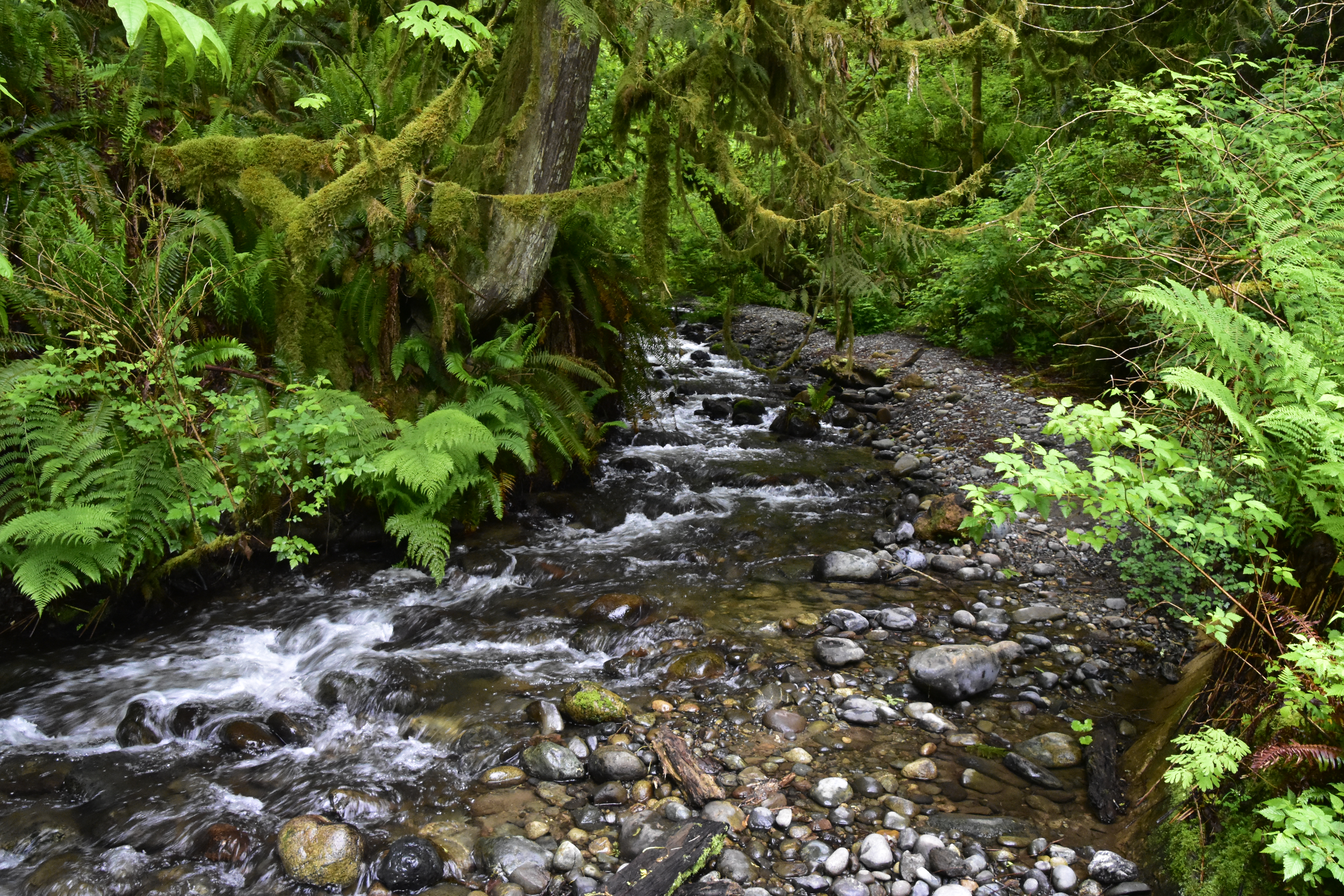 Small streams flow into the Green River.
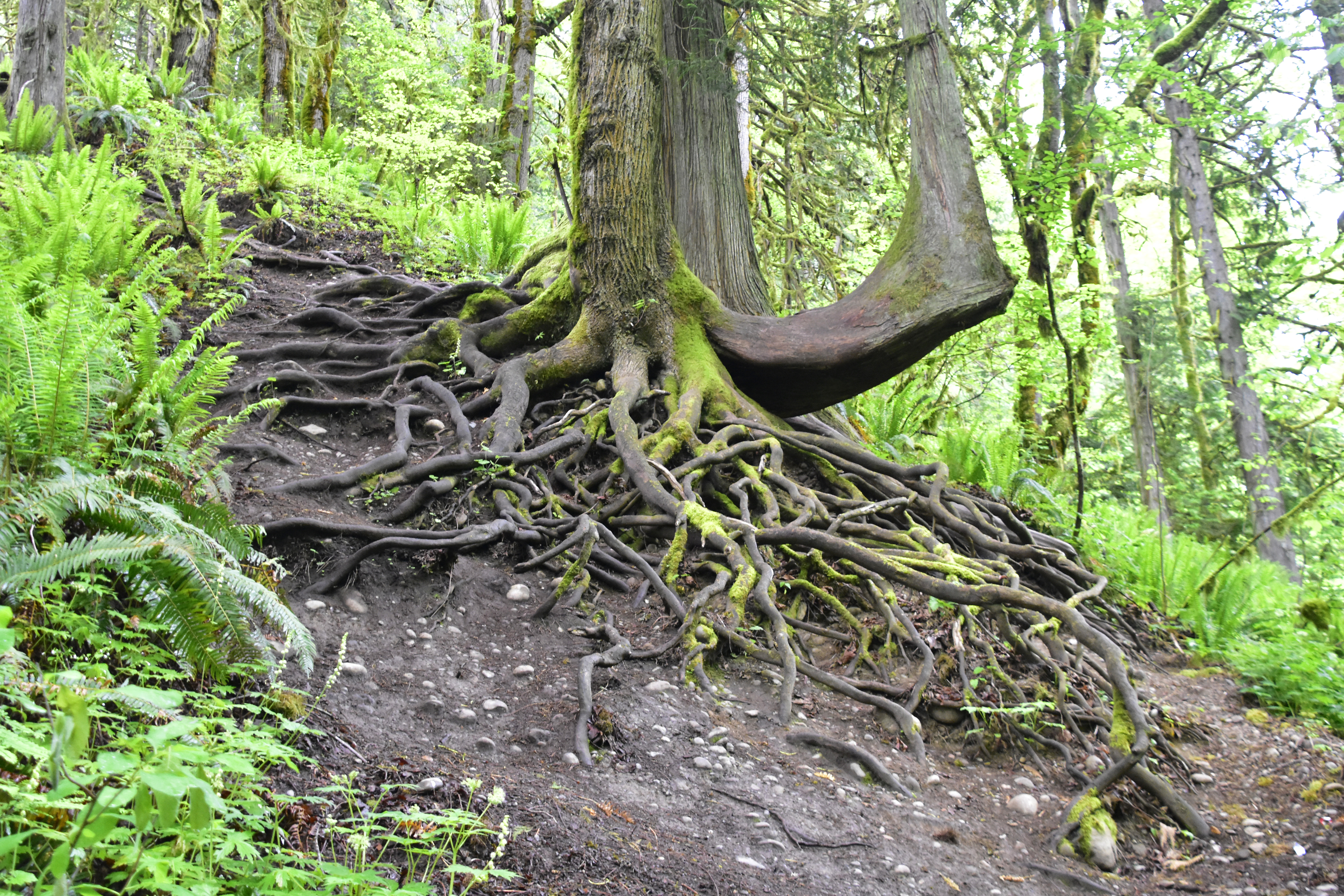 An interesting natural tree root sculpture.
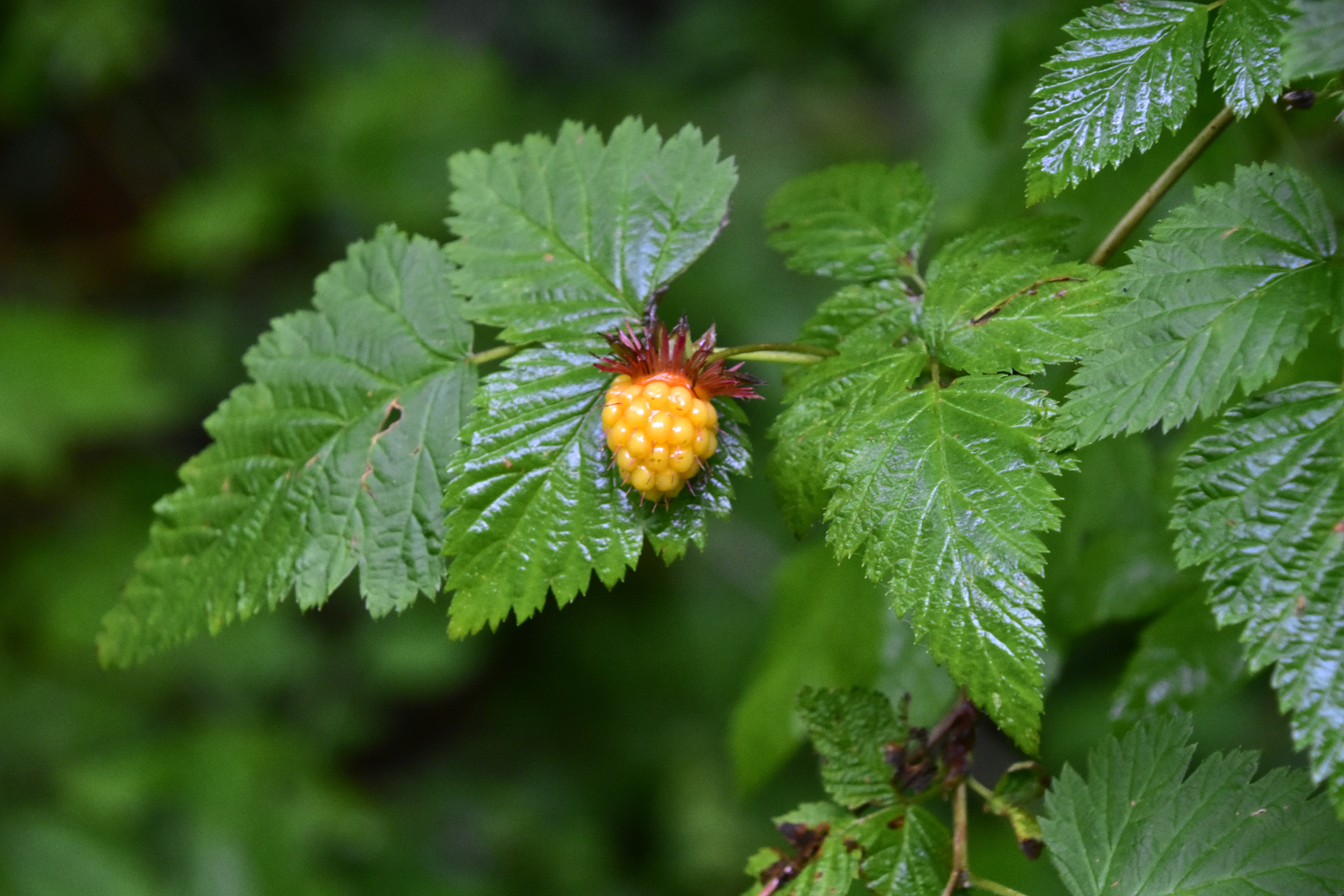 A nearly ripe Salmon Berry. A favourite of Brown Bears, these berries are a pinky-orange colour when fully ripe.
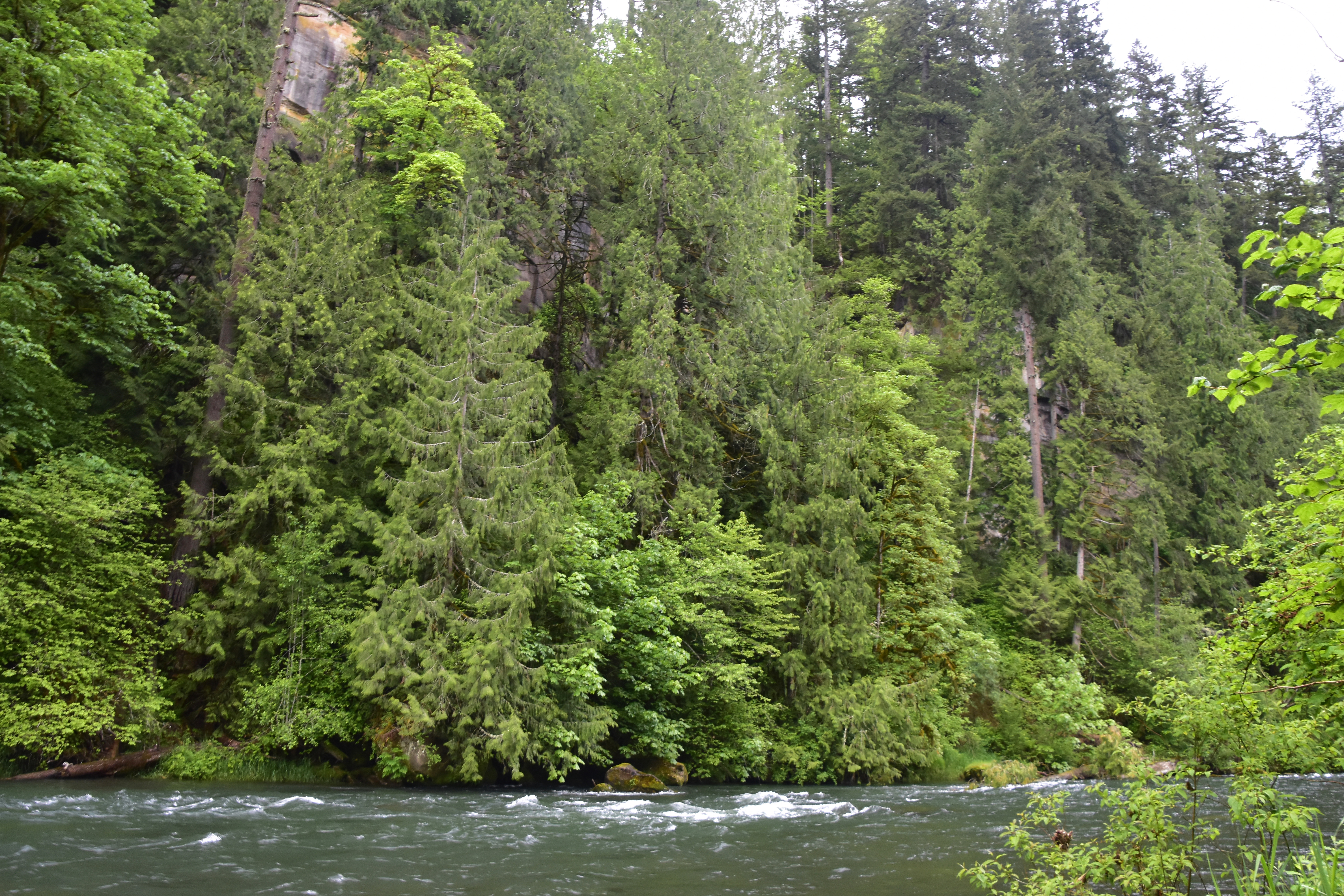 The steep cliff walls of the Green River Gorge can been seen at the end of the shoreline hiking trail that follows the fast flowing Green River.
Museum of Glass
The Museum of Glass is an art museum dedicated to the medium of glass. The Hot Shop offers live glass-blowing demonstrations, which was really interesting.
The Chihuly Bridge of Glass is Tacoma’s stunning link from the Thea Foss Waterway to the Museum of Glass. The 500 foot pedestrian bridge holds three amazing Chihuly glass installations (we visited Dan Chihuly’s collection whilst in Seattle).
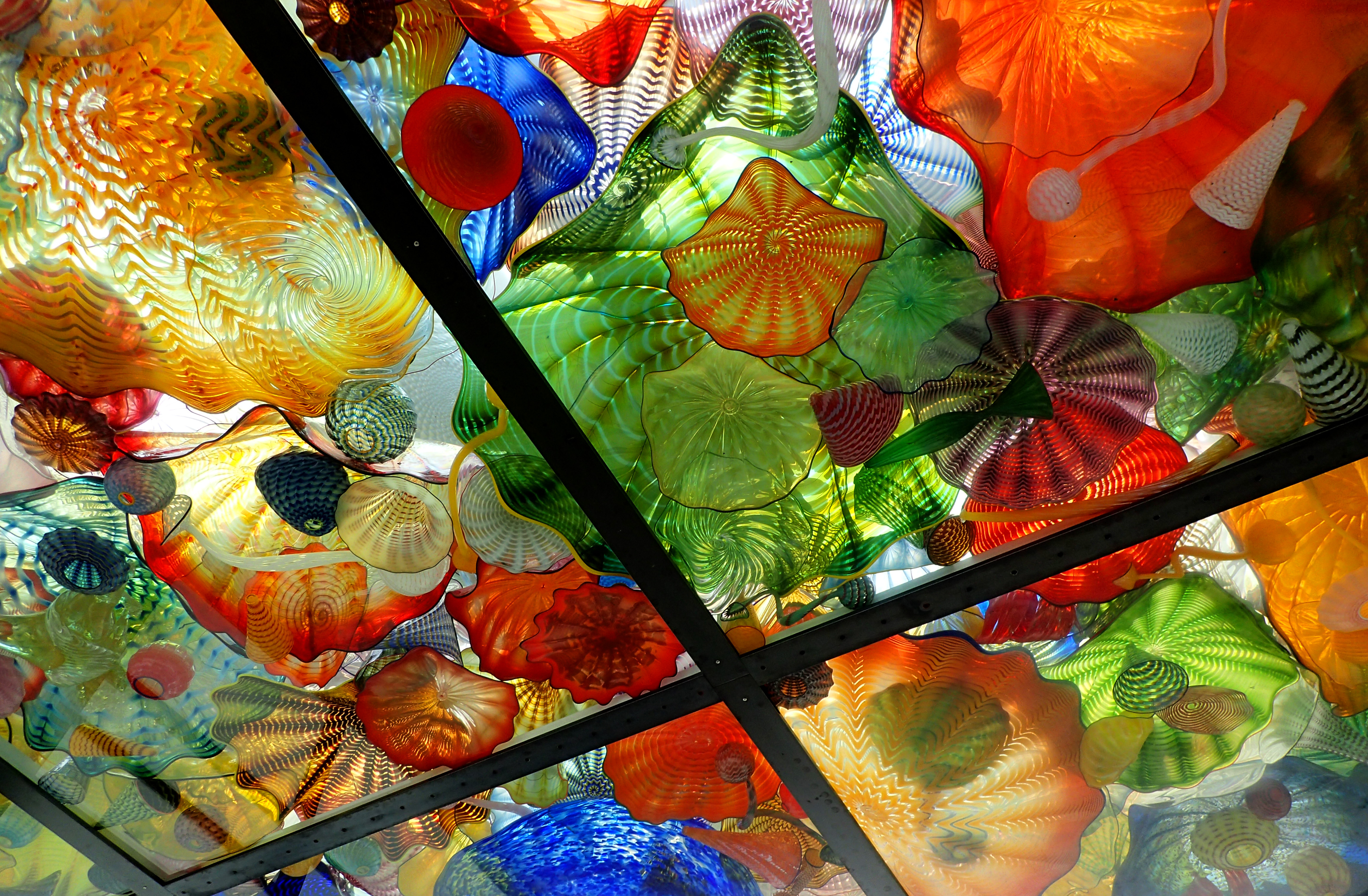 Seaform Pavilion: a glass ceiling and canopy system on the bridge showcasing 2,364 works of Chihuly glass from his Seaform and Persian series.
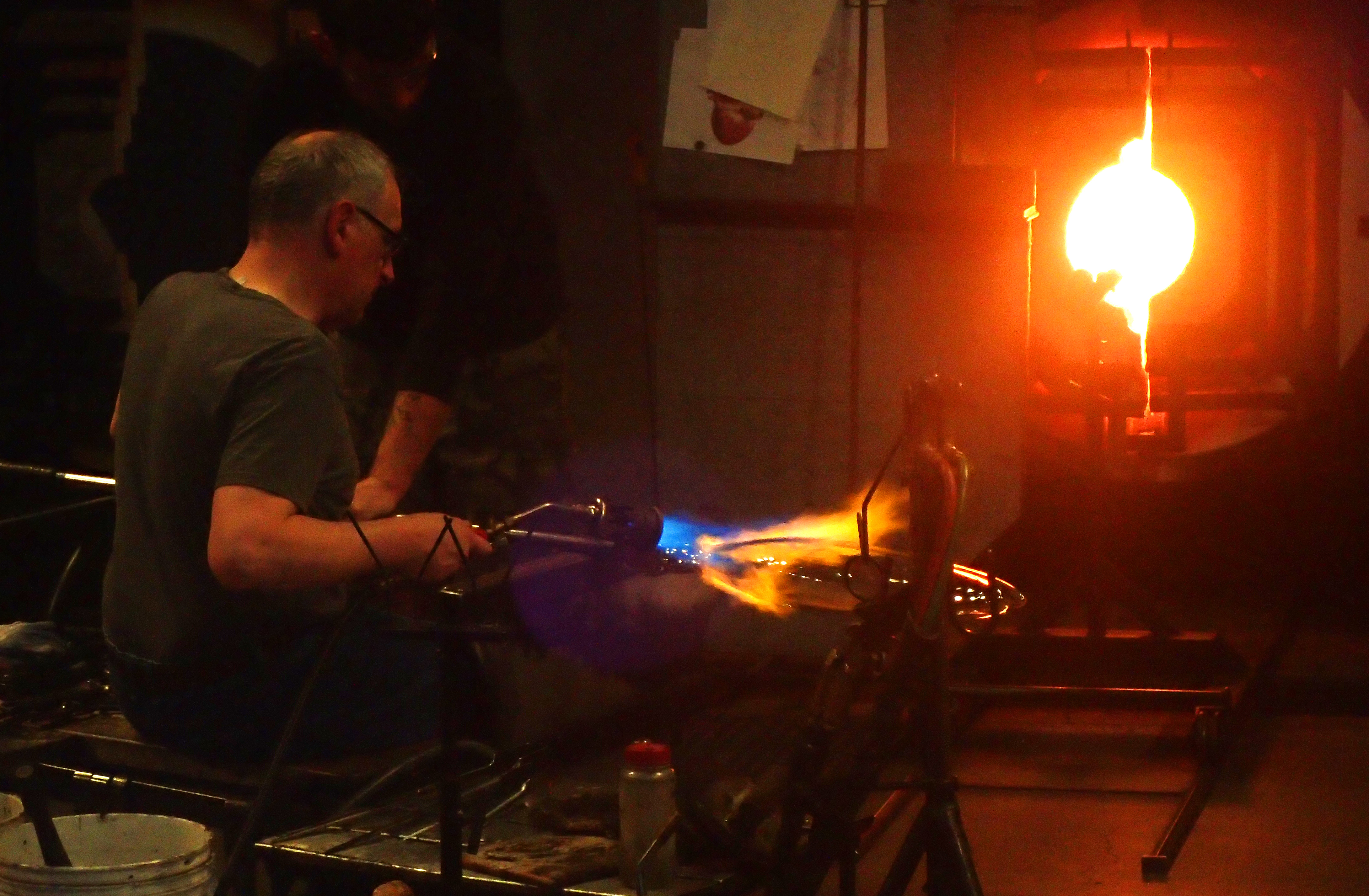 Hot Shop – Live demonstration of glass blowing by visiting artist Joe Rossano.
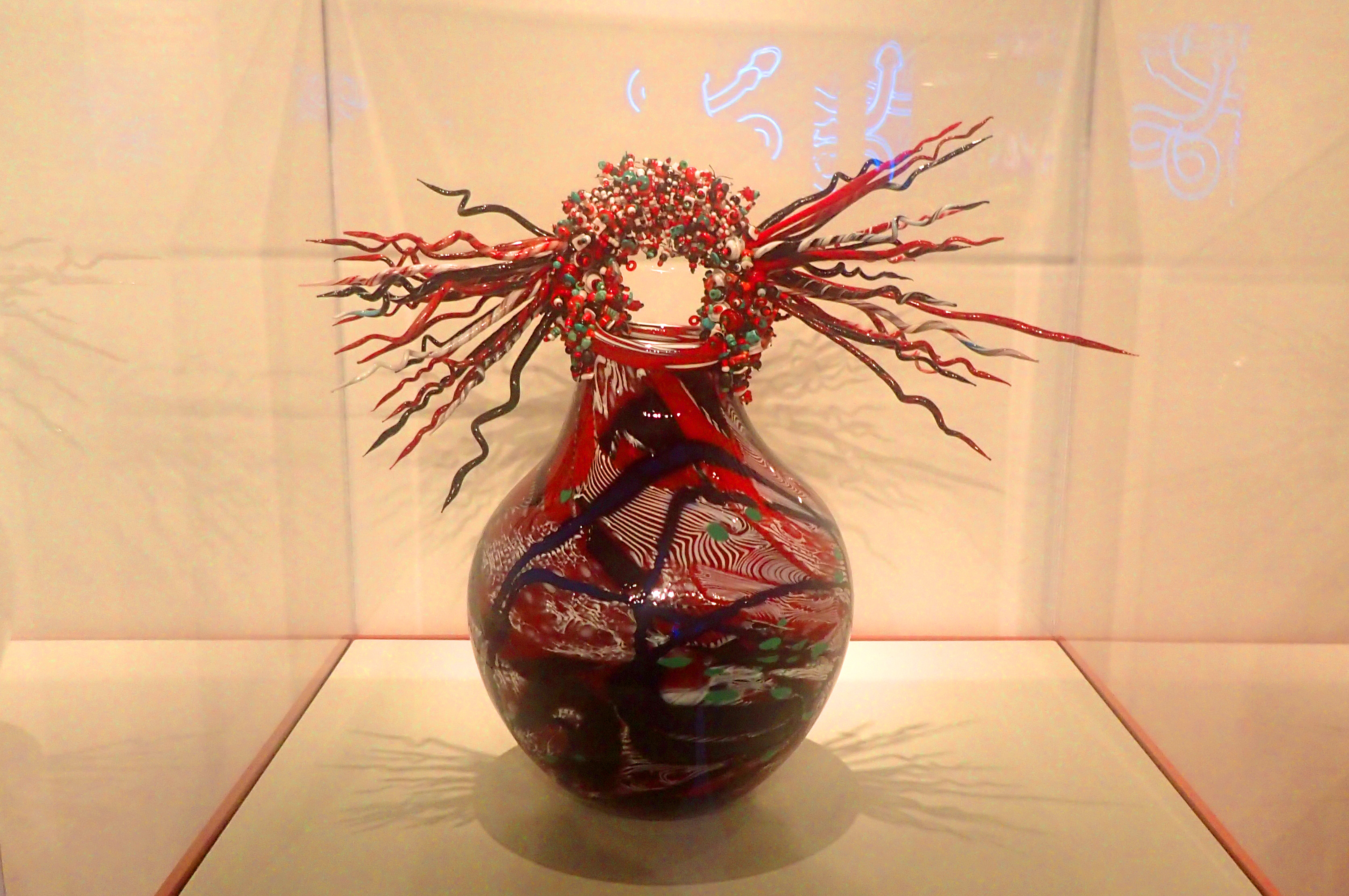 One of the many eclectic pieces of glass art.
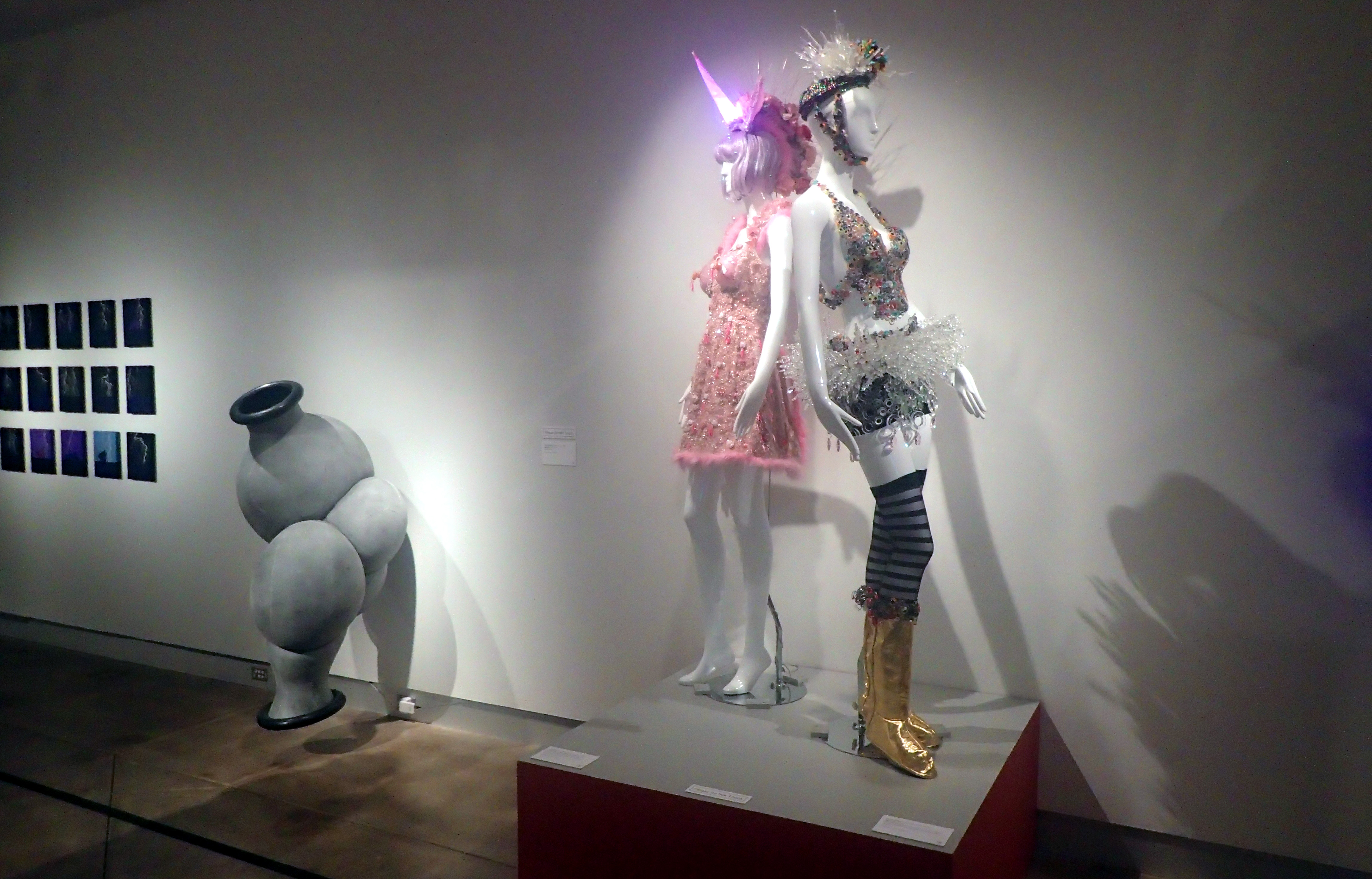
Washington State History Museum
This was an interesting museum to visit that had many good displays covering the State’s history, including the internment of Japanese nationals in WW2, which disproportionally affected the North West of the country. However, one the most outstanding exhibits was the called the Green Book.
The ‘Negro Motorist Green Book’ was created by Victor Green to provide African American travellers with critical information on restaurants, petrol stations, department stores, accommodation, and other businesses that welcomed Black travellers during the era of Jim Crow and ‘sundown towns’ (communities that explicitly prohibited African Americans from staying overnight). Published between 1936 and 1967, the travel guide’s rich history was highlighted in this Smithsonian Institution Traveling Exhibition.
It was a fascinating insight into the era of segregation in the USA.
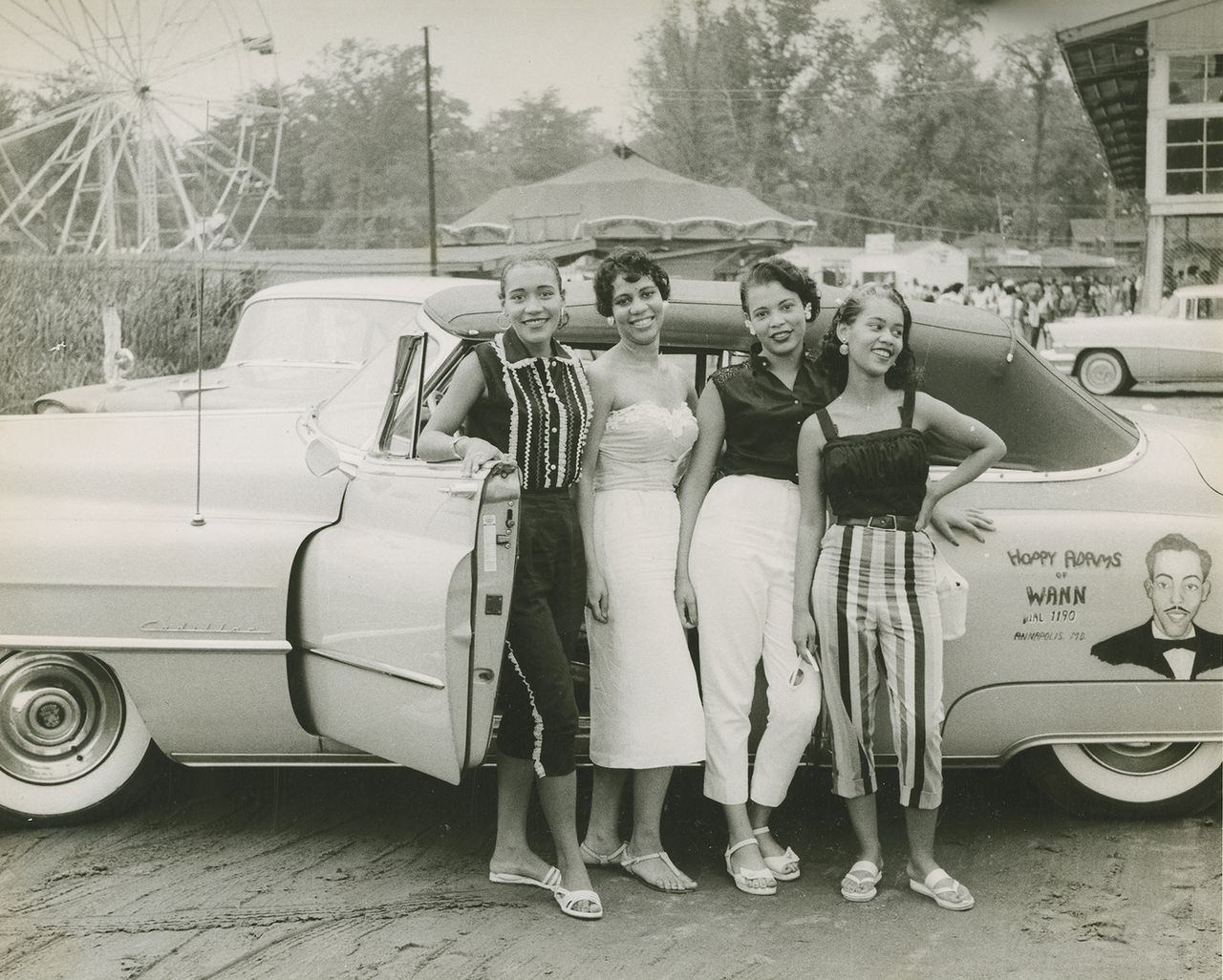 It was a difficult time for Black travellers; even many petrol stations would not serve African Americans.
Today we drove north to the Mount Vernon region to explore the St Juan Islands and the Cascade Mountains in the very northern part of the state. During our drive north we stopped for a few hours for lunch and to watch the new Top Gun movie, a ripping good yarn, which even Charlotte enjoyed!
 Charlotte & Graham's Travels